Quick answer: Commercial painting in Columbus runs $1.50 to $10.00 per floor square foot in 2026, with the actual number driven by substrate, ceiling height, surface prep, coating system, access, schedule, and compliance requirements.
In this guide
Updated June 2026. Built from actual PaintWerks commercial bids across Central Ohio. If you need a firm number for your building, request a free site walkthrough or call 614-582-4227.
2026 Commercial Painting Cost Ranges in Columbus
Commercial painting in Columbus generally runs $1.50 to $10.00 per floor square foot in 2026. The range is wide because floor square footage is a poor proxy for paintable surface area. Two buildings the same size can quote at the opposite ends of that range depending on ceiling height, wall density, substrate condition, and access. Below is the quick lookup; the rest of the guide breaks down what moves the number up or down.
| Building Type | Typical $ / Floor SQ FT | Top Cost Driver |
|---|---|---|
| Warehouse / industrial (CMU, exposed deck) | $1.50 – $3.50 | Coating system, not floor area |
| Open office / coworking | $2.00 – $4.50 | Wall density + cut-in time |
| Private office / multi-room office | $3.50 – $6.50 | Small-room production rate |
| Retail / storefront (in-line) | $2.50 – $5.50 | Brand-standard finish + tight schedule |
| Medical / dental / chiropractic | $4.50 – $8.50 | Antimicrobial + after-hours staging |
| Senior living / assisted living (occupied) | $4.00 – $7.50 | Phased work in occupied buildings |
| Multi-family / apartments (turnover unit) | $1.75 – $3.25 | Volume + 2-coat color changes |
| Multi-family / apartments (common areas) | $2.50 – $5.00 | Wear coatings + 24/7 traffic |
| Education (K-12, daycare, university) | $3.50 – $7.00 | Background-checked crews + summer window |
| Restaurant / hospitality (FOH + BOH) | $4.50 – $8.00 | Food-safe coatings + dark-period scheduling |
These are 2026 fully-loaded numbers including labor, materials, mobilization, normal masking and protection, and one-coat-on-existing-color application. Significant prep, color changes, lift work, after-hours scheduling, and specialty coatings push the number up. See “What Drives Cost” below.
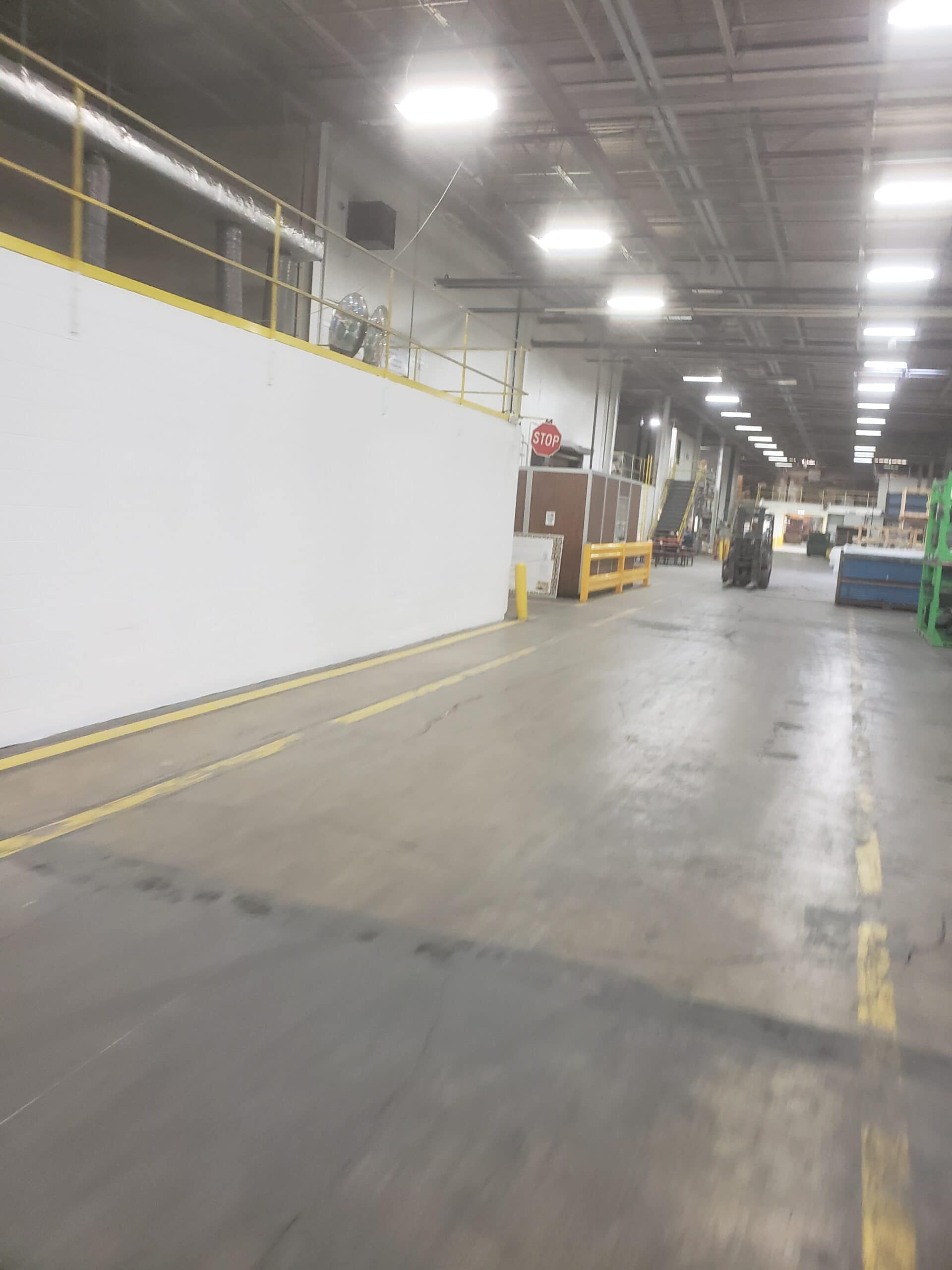
$1.50 – $3.50 / SF
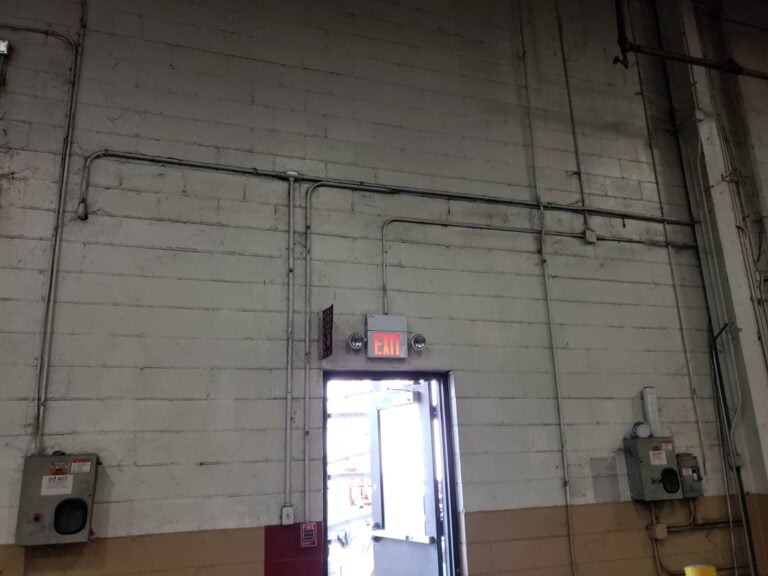
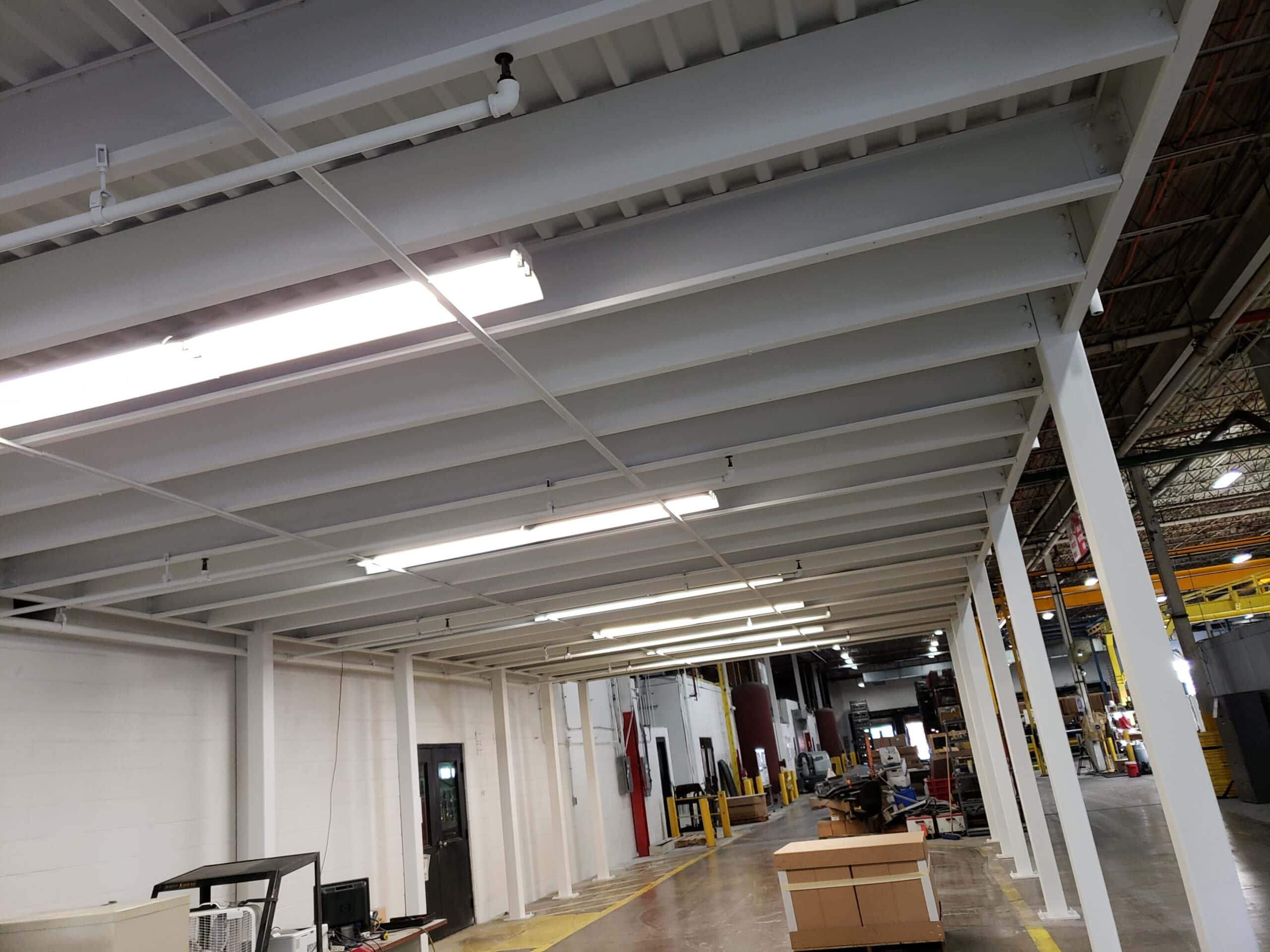
Warehouse / Industrial — CMU, exposed deck, sparse wall area
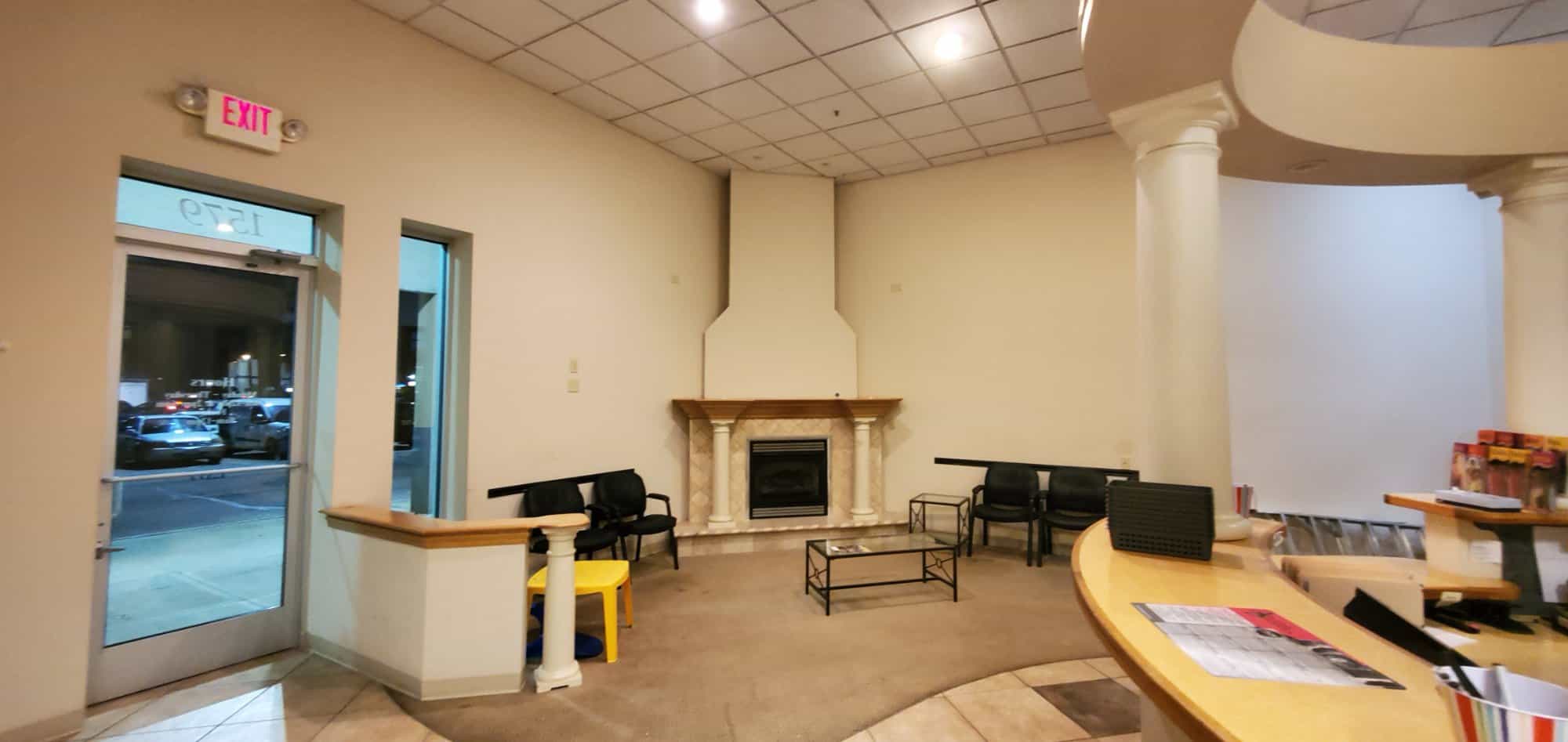
$4.50 – $8.50 / SF
Medical / Dental — Zero-VOC + antimicrobial, after-hours scheduling
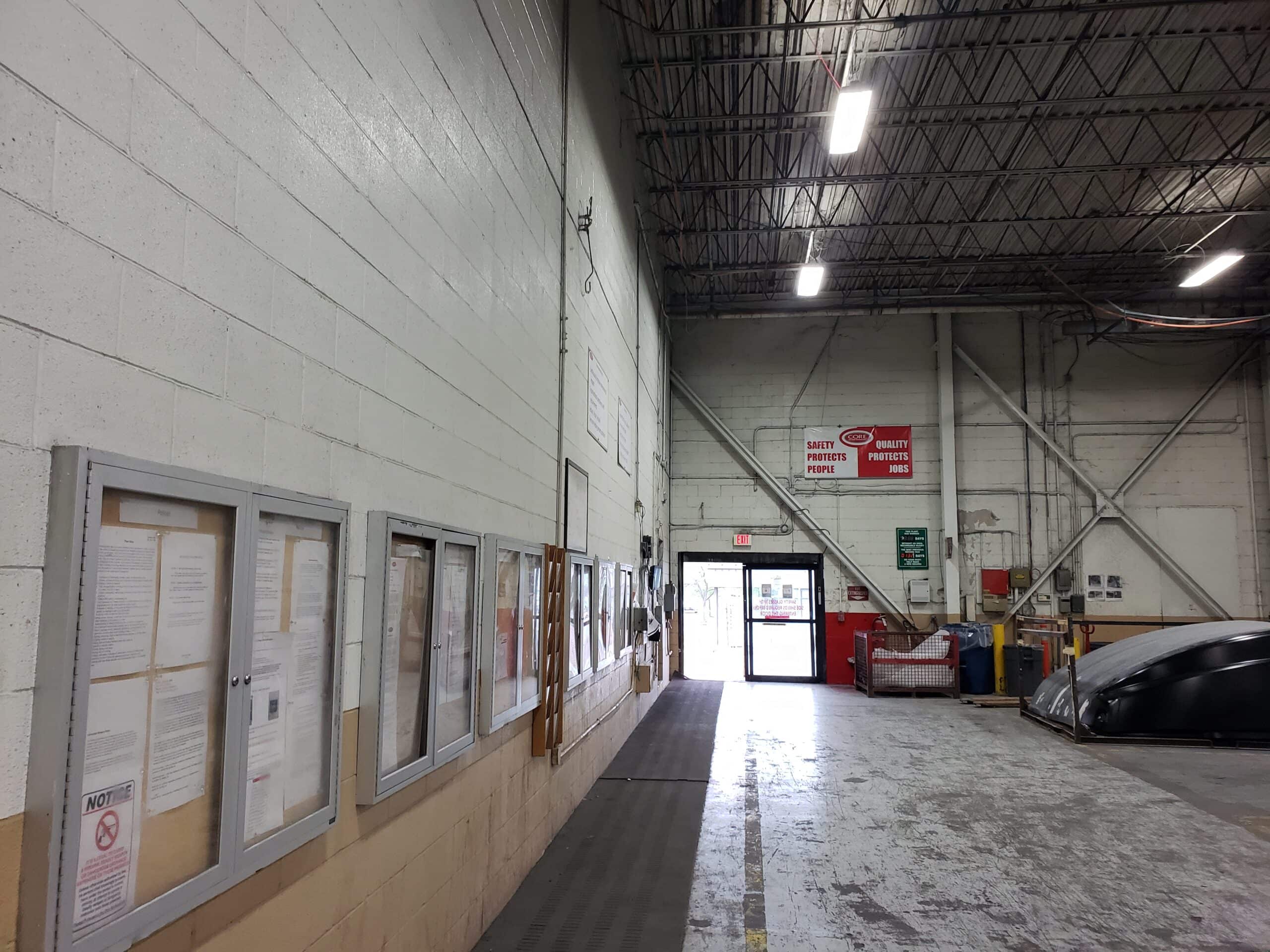
What Drives Commercial Painting Cost
If you want to predict where your building is going to land in the range, these are the seven variables we evaluate on every site walkthrough.
1. Substrate
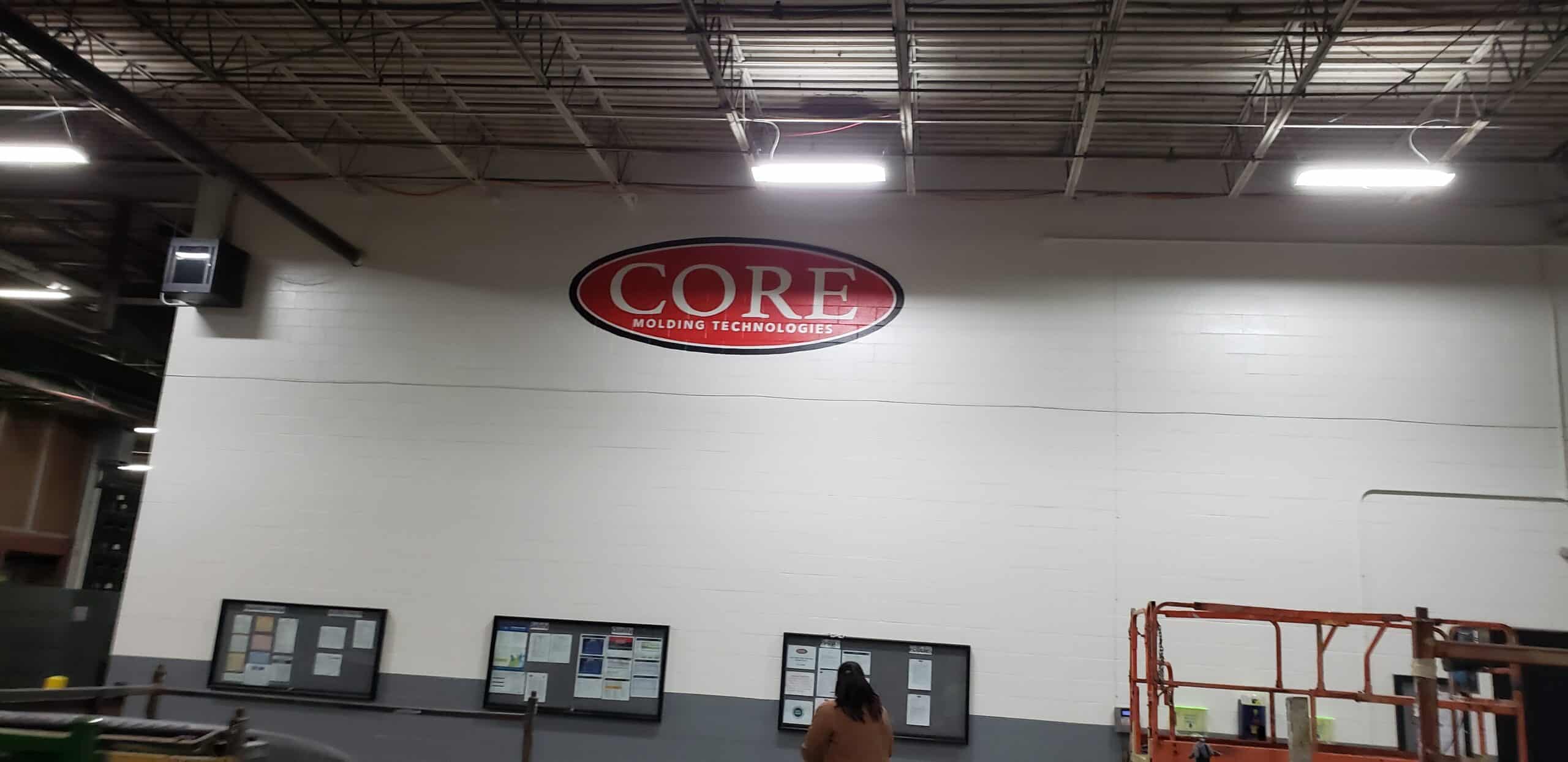
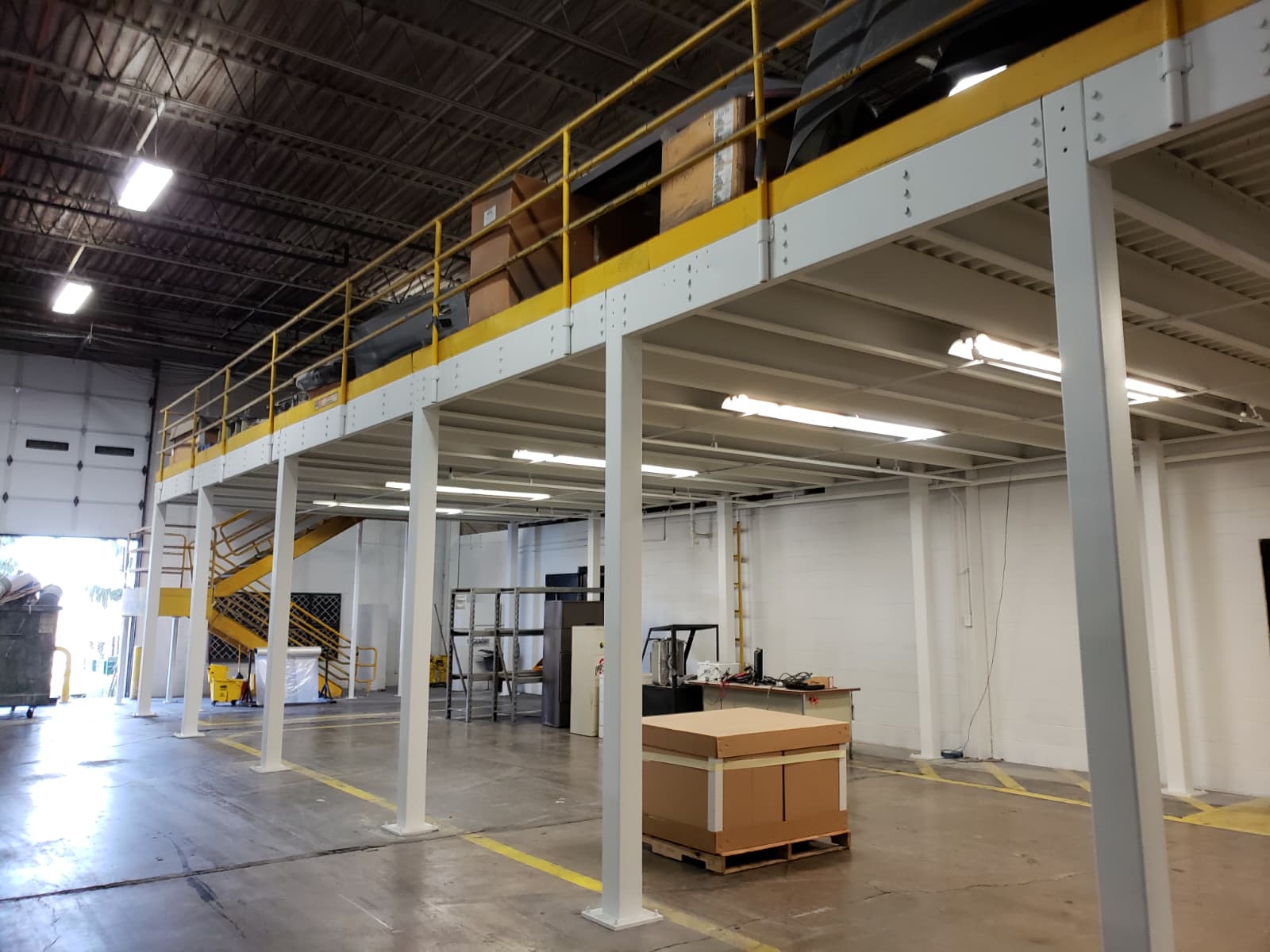
Drywall is the cheapest surface to paint. CMU (concrete masonry block) takes a block filler before topcoat, which roughly doubles the per-square-foot material spend. Exposed metal deck and structural steel need a direct-to-metal (DTM) primer plus an industrial topcoat. Plaster and historic surfaces add labor for proper adhesion testing. On the Core Molding Technologies project (330,000 sq ft, near Hilliard), block filler and DTM coatings made the per-square-foot price land mid-range despite the building’s massive footprint.
2. Ceiling Height and Wall Density
The bigger the wall surface relative to the floor, the higher the per-floor-SF number. A 30-foot warehouse with mostly open space and few interior walls quotes lower than a 10-foot office subdivided into 40 small rooms. We measure paintable wall and ceiling area on every walkthrough rather than just multiplying floor SF by a rate.
3. Surface Prep Required
This is the biggest swing factor and the area where bids differ most. Flaking paint requires scraping and feather-sanding. Stained ceilings need stain-blocking primer. Cracked drywall needs taping and re-mudding. Peeling block filler needs full removal and reapplication. A bid that doesn’t account for actual prep is going to come back as a change order three days into the job. Ask any contractor what prep is included — the answer should be specific, not “standard prep.”
4. Coatings System
A standard acrylic latex eggshell on drywall is the baseline. Premium coatings, antimicrobial systems, epoxy wall coatings, intumescent paint on structural steel, and high-performance polyurethanes for high-touch surfaces all cost 2x to 5x baseline material. Medical and healthcare projects regularly call for zero-VOC and antimicrobial systems. Warehouse and industrial work often requires epoxy or urethane on CMU and decking. Product choice matters even at the line level — for exterior recoat decisions, see our breakdown of Sherwin-Williams Duration vs Emerald exterior.
5. Access and Equipment
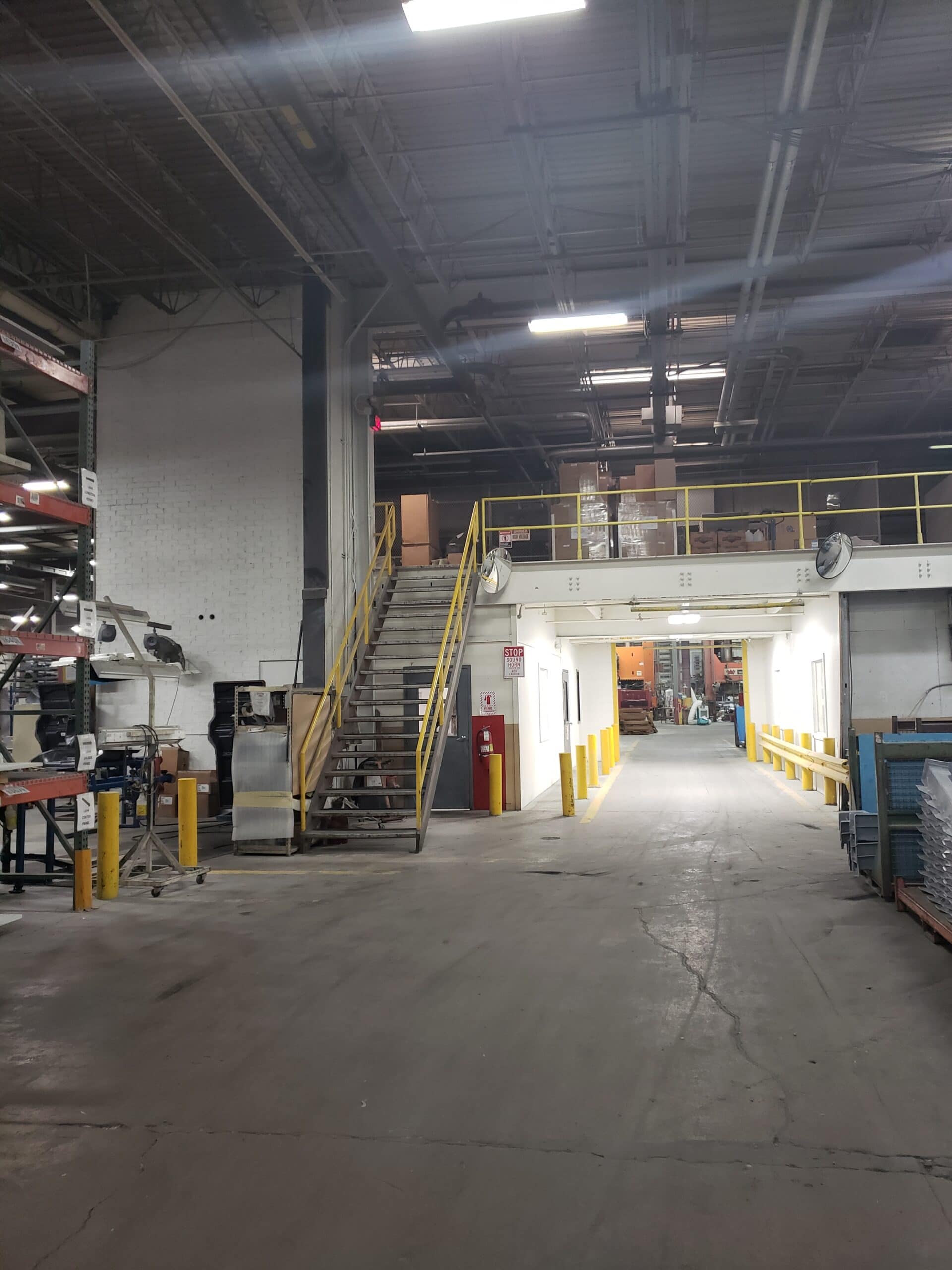
Three-story exterior work, vaulted interiors, and warehouses with deck-height ceilings need scissor lifts, boom lifts, or scaffold. Equipment rental, transport, certified operators, and the slower production rate from working off lifts can add $0.50 to $2.00 per square foot to the number. On the 280,000 SQ FT three-story commercial exterior near Franklin Park Conservatory, the entire job was completed from boom lifts, which drove a meaningful portion of the bid.
6. Schedule (Hours of Operation)
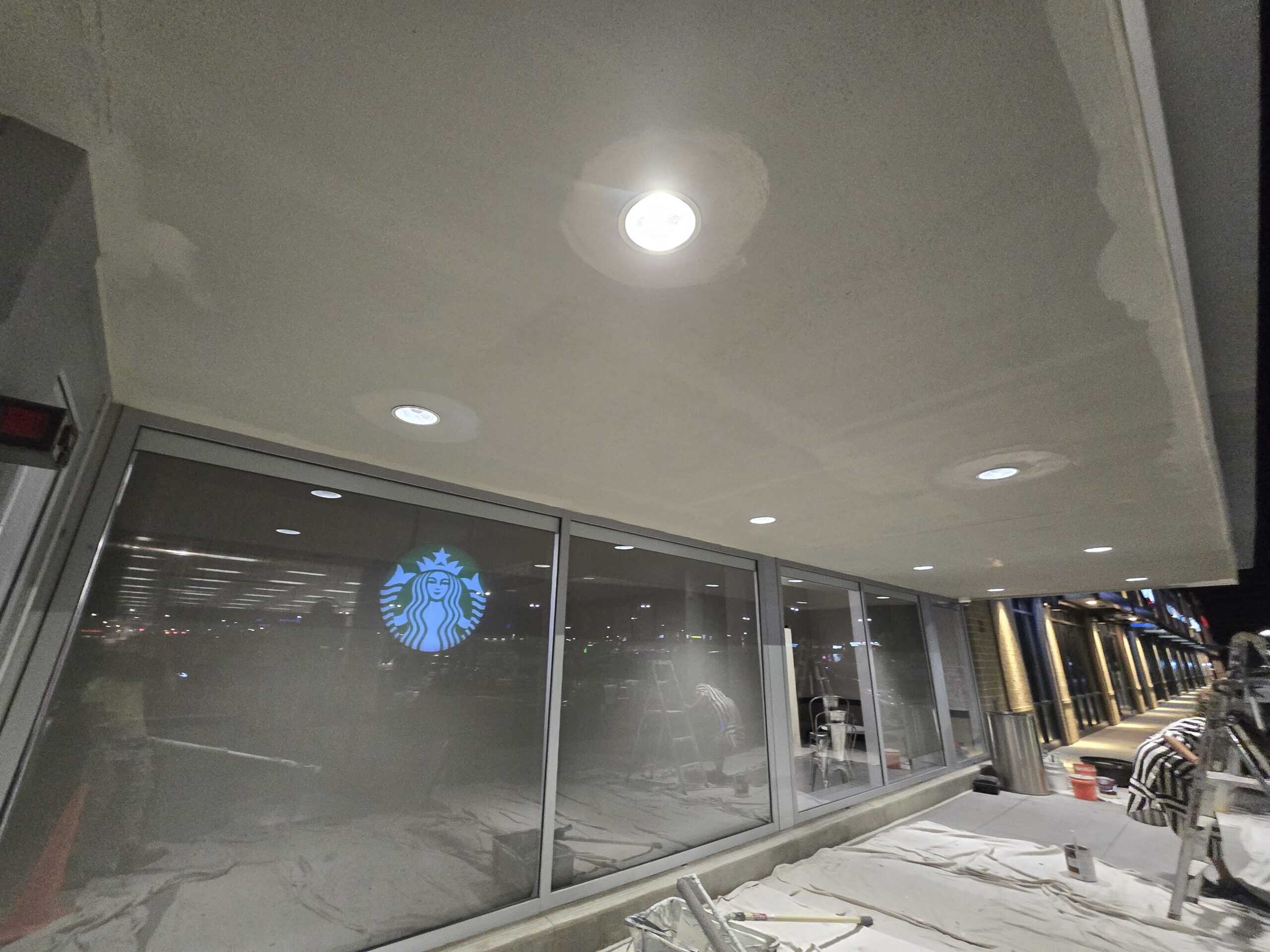
Commercial painting completed during normal business hours costs the least. Nights, weekends, and holidays carry a 20% to 40% labor premium because crews are working on shift differential and supervision is doubled. Phased work in occupied buildings (one wing at a time, then move) extends the schedule and adds mobilization charges. The trade-off is your business never closes. The Target ACM canopy repair in New Albany was completed entirely overnight to keep the store open and meet a corporate inspection deadline.
7. Insurance, Bonding, and Compliance
Commercial buildings owned by REITs, healthcare systems, school districts, and corporate tenants require specific COI limits, additional-insured language, and sometimes bonding. Background-checked crews for healthcare and education sites add cost. Anyone bidding without these requirements priced in is bidding a different job than what your facility actually requires.
Cost Ranges by Space Type — What's Actually Different
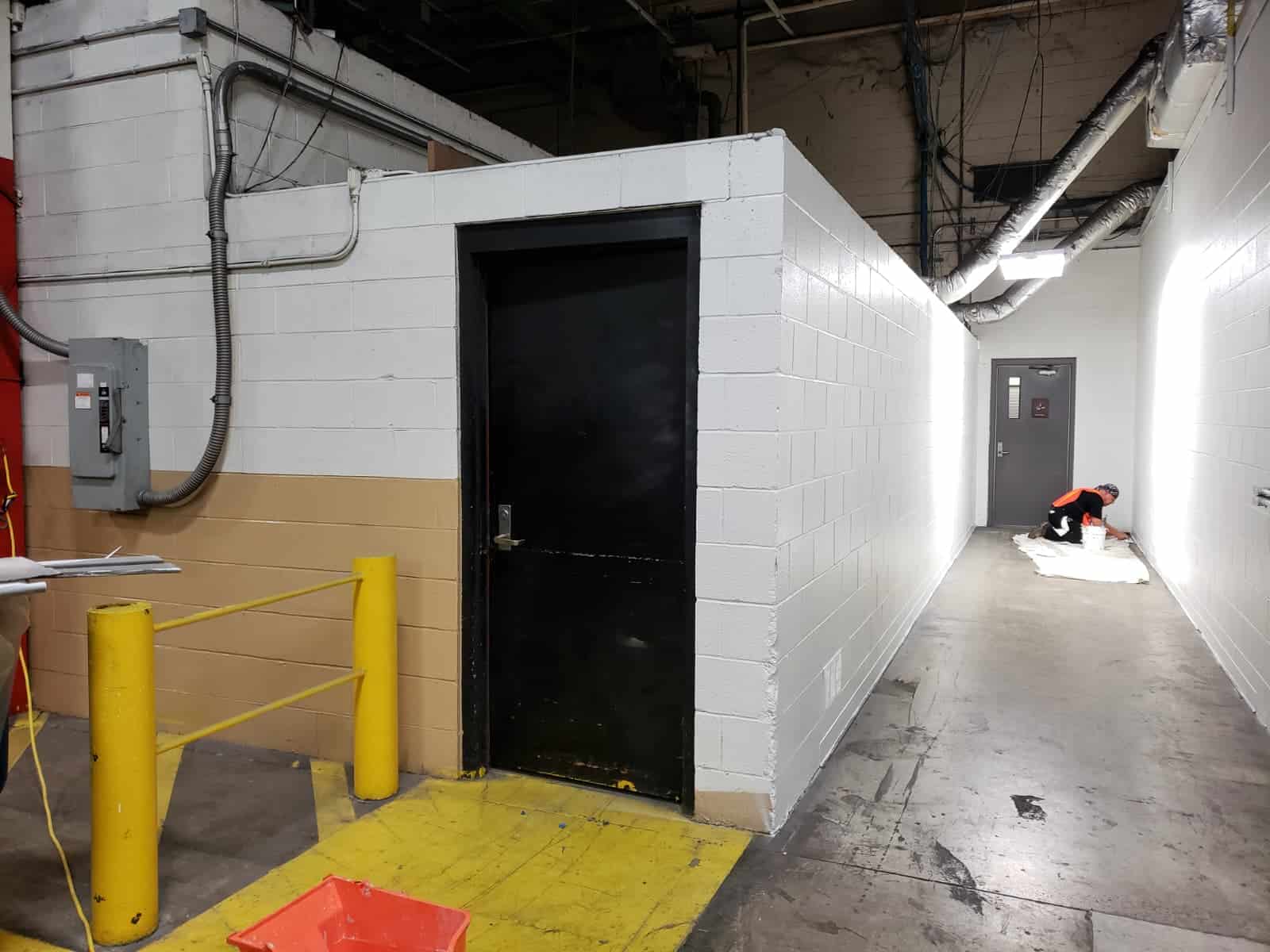
Core Molding Technologies industrial project — 330,000 SF, Hilliard OH
Warehouse and Industrial
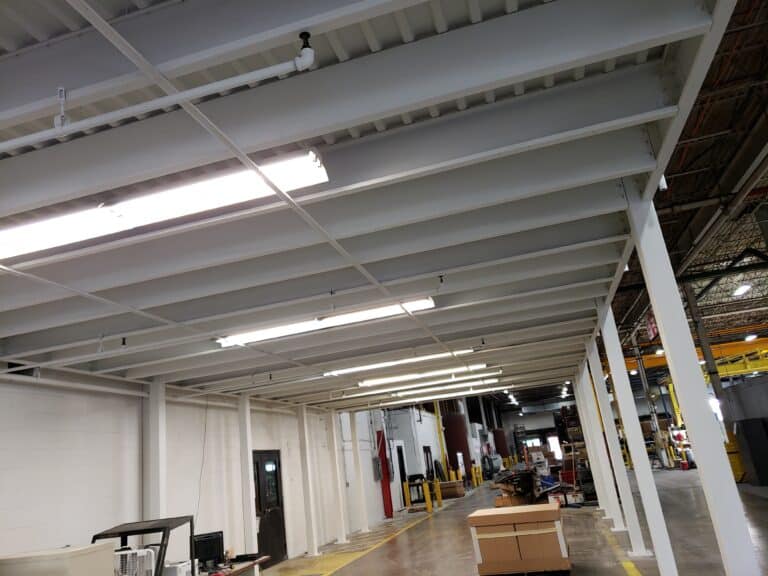
Lowest per-floor-SF on the chart because wall area is sparse. Dollars get spent on coating system, not square footage: block filler on CMU, epoxy on impact-prone walls, DTM primer on steel decking and structural members. Forklift damage, chemical exposure, and pressure washing exposure dictate what coating system makes sense. Five-year repaint cycle is realistic for most light industrial; heavy industrial or chemical-exposure facilities need a recoat plan inside three years.
Office and Coworking
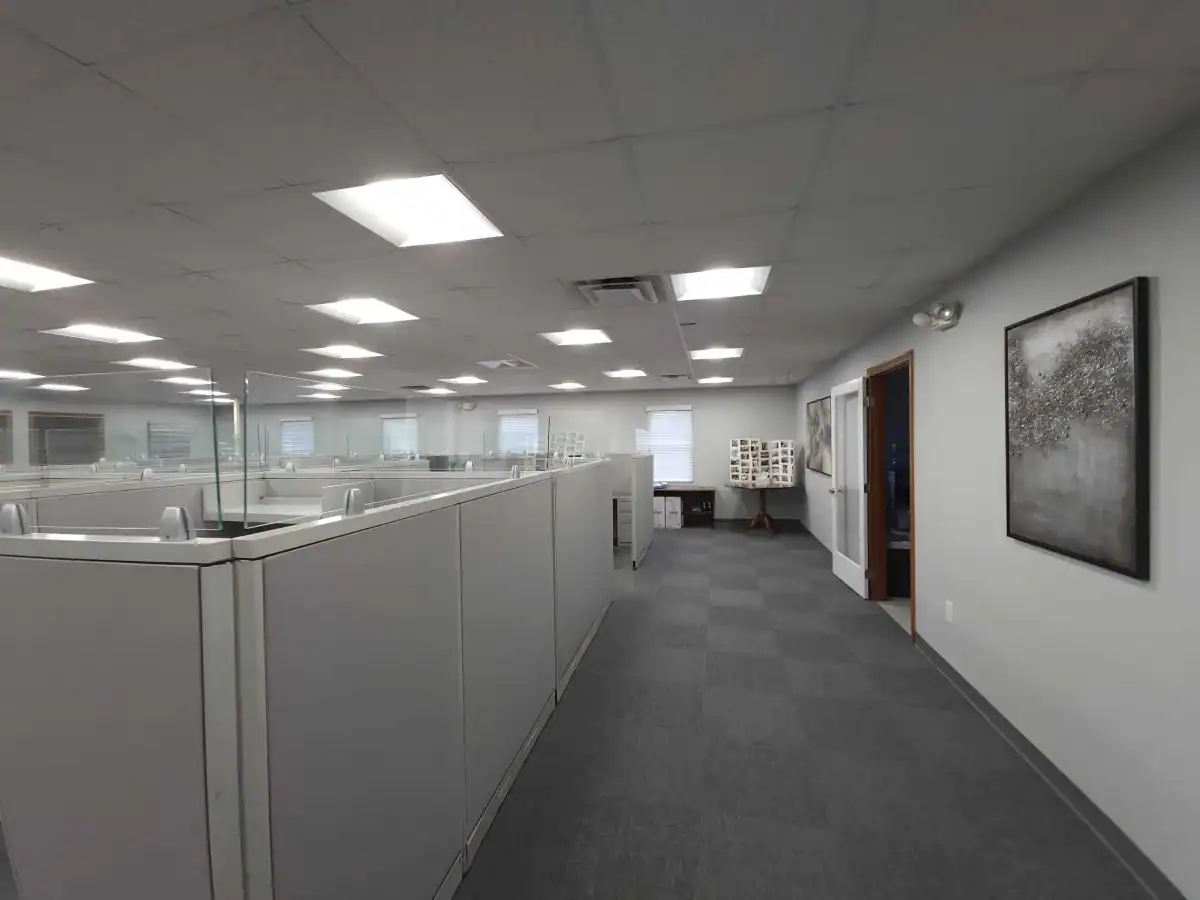
Open office is the easier subset. Private offices, conference rooms, and corridor-heavy plans push the number up because of small-room production rates and cut-in time. Tenant turnover repaints typically include patching every nail hole and accent-wall removal, both of which add labor. Color changes from a previous tenant’s branded palette to a neutral landlord-spec palette typically need two coats over tinted primer. For residential cost benchmarks on similar interior work, see our interior painting cost Columbus real numbers breakdown.
Medical, Dental, and Chiropractic
Highest of the standard interior categories. Reasons: zero-VOC coatings (premium pricing), antimicrobial systems on patient-contact surfaces, after-hours scheduling around patient flow, vendor compliance and COI requirements, and tighter masking and dust containment to protect equipment. Recent example: a multi-room chiropractic office on E Dublin Granville Rd, Columbus bid mid-range for the category because the work could be staged off-hours over two weekends.
Senior Living and Assisted Living
Always occupied, always phased, almost always low-VOC for resident comfort. Production rate drops because crews work around residents, staff, and visitor traffic. Surface prep tends to be heavier in older facilities. Senior living painting is one of the categories where contractor selection matters most — a wrong choice costs more in resident complaints and re-do work than the bid difference would have saved.
Retail and Storefront
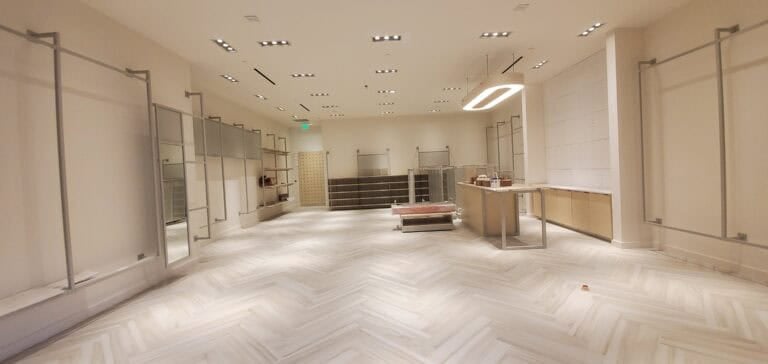
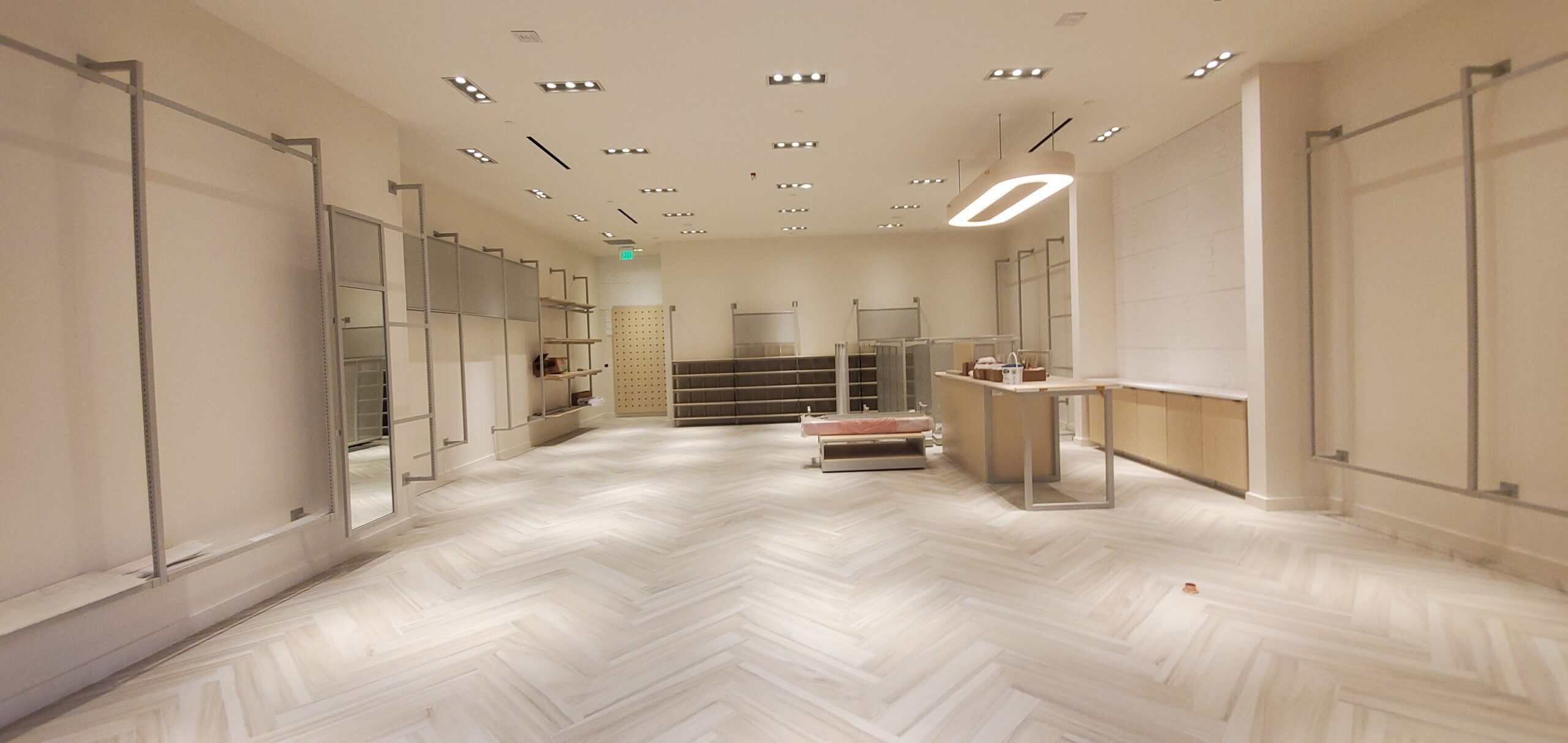
National brand standards (Sherwin-Williams or Benjamin Moore color matches, specific sheens, branded accent walls), tight overnight or pre-opening schedules, and clean-finish requirements where customers will see every imperfection. Tenant buildouts at Easton Town Center ran the higher end of the retail range because of the brand-standard quality bar and the herringbone tile interface that the paint had to land cleanly against.
Multi-Family and Apartments
Turnover unit repaints are a volume-pricing game — everything is one color, everything is two coats, and the per-unit price is what matters. Common areas (lobbies, corridors, amenity rooms) price more like a small office or hotel and need higher-end coatings because they take wear from every resident every day.
Education
K-12 and daycare schools require background-checked crews, summer-only or weekend scheduling, and high-durability scrubbable coatings. Primrose School Grandview (20,000 SQ FT full interior finish) bid mid-range because the work was scheduled around the franchise opening rather than during operations, but block filler on CMU walls plus Level 5 drywall finishing kept the per-SF number on the higher half of the office category.
Restaurants and Hospitality
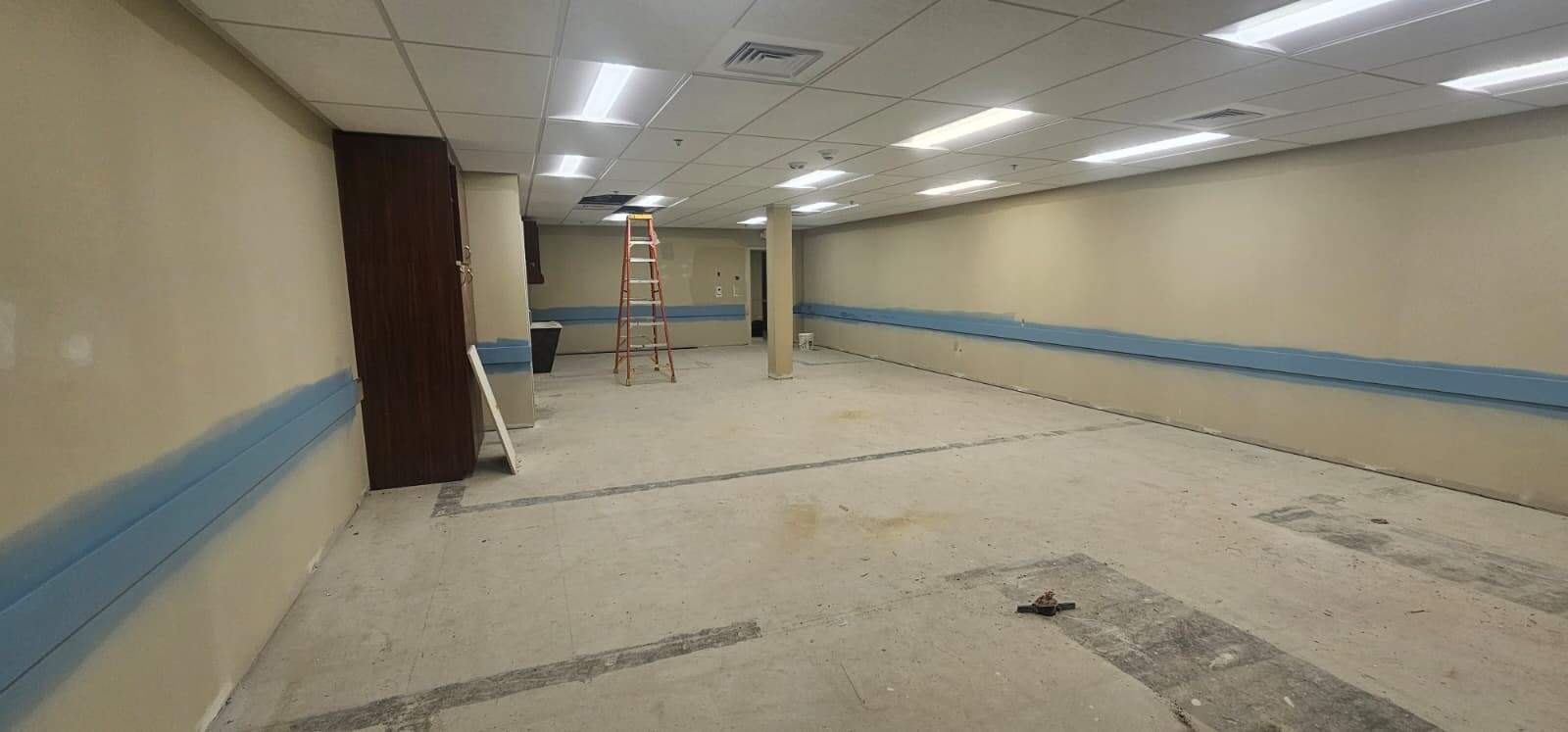
Front-of-house quality bar plus back-of-house food-safe coating requirements (epoxy on prep walls, washable enamel everywhere else). Almost always after-hours or during a defined dark period. Surface prep on grease-impacted BOH walls is significant.
"A quote that says 'standard prep included' is an unwritten check."
How Commercial Painting Quotes Are Structured
A real commercial paint bid should break out the following line items so you can compare it apples-to-apples against another contractor’s number. (For the buyer’s checklist on what to challenge in a quote, see #.)
- Mobilization — site setup, equipment delivery, protection of floors, fixtures, and adjacent finishes.
- Surface prep — explicit scope: scraping, sanding, patching, taping cracks, stain blocking, washing/degreasing, removing failed coatings.
- Substrate-specific primer — block filler on CMU, DTM on metal, bonding primer on slick surfaces, stain blocker where needed.
- Topcoat system — product, sheen, number of coats, square footage covered, application method (brush/roll, spray, HVLP).
- Specialty coatings (if applicable) — antimicrobial, epoxy, intumescent, high-performance polyurethane.
- Access and equipment — lift rental, scaffold, certified operator hours.
- Schedule premium (if applicable) — nights/weekends/holidays, phased mobilization fees.
- Punch and final walkthrough — touch-ups, sign-off, warranty start date.
If a quote is one line item with one price, you cannot tell what was actually scoped. That is how change orders happen at week two.
What's Typically Excluded From a Commercial Painting Quote
These items often need to be called out as add-alternates or carved out as owner responsibility:
- Drywall repair beyond minor patching
- Carpentry repair or rotted-substrate replacement
- Block filler reapplication on failing CMU
- Lead paint testing and abatement (pre-1978 buildings)
- Asbestos testing (pre-1980 buildings with suspect materials)
- Fixture removal and reinstallation (lights, signage, HVAC grilles)
- Floor protection beyond standard drop cloths
- HVAC shutdown coordination during application
- Specialty paint or wall coverings owner-furnished
- Off-hours building access fees charged by property manager
A reputable commercial painting contractor will list these explicitly under “Exclusions” rather than burying them in fine print. As a licensed general contractor, PaintWerks can handle drywall, carpentry, and substrate work in-house under the same contract instead of stopping the project to bring in a second trade.
Frequently Asked Questions
Commercial painting in Columbus averages $1.50 to $10.00 per floor square foot in 2026 depending on space type, ceiling height, prep, coating system, and schedule. Open warehouses sit at the low end, multi-room offices and medical facilities sit at the high end. Use the table at the top of this guide for category-specific ranges.
Two main reasons: scale of compliance (COIs, OSHA, background checks, bonding) and specialty coatings. A residential interior repaint uses a single eggshell wall paint and a single trim enamel. A commercial project might use block filler, DTM primer, antimicrobial topcoat, and intumescent fireproofing on different surfaces in the same building. Insurance and scheduling around occupied operations add labor cost a residential project doesn’t carry.
Almost always by the project as a fixed bid built from measured square footage of paintable surface (walls, ceilings, trim) and a coatings schedule. Hourly is rare on commercial work. Per-square-foot rates are useful for budget estimating but not for executing a contract because they don’t capture wall density, prep, or coatings system.
Sometimes. Always ask. A bid that says “standard prep included” is an unwritten check. Demand a specific prep scope: what will be patched, what will be primed, what will be stain-blocked, and what is excluded. Prep on a tired existing building can be 30% to 50% of the total job and is the most common source of change orders mid-project.
Open office or warehouse: 1,000 to 2,500 SQ FT per crew per day on standard repaint work. Medical and detail-heavy spaces drop to 500 to 1,000 SQ FT per crew per day. A 10,000 SQ FT office repaint typically runs 5 to 8 working days with one crew. Phased occupied work doubles or triples the calendar even when crew time is the same.
New construction is faster and cheaper per square foot because surfaces are clean, primed, and free of fixtures. Repaint requires cleaning, masking around fixtures, prep work, and often a stain-block or patching pass that doesn’t exist on new construction. Repaint typically adds 15% to 50% to the per-SF price depending on building condition.
Yes, and most of our commercial work is in occupied buildings. The project gets phased, scheduled around peak hours or after-hours, and uses low-odor low-VOC coatings. Production rate drops, mobilization happens more than once, and the per-SF number goes up by 15% to 30%. The trade-off is no lost revenue from closing.
Not usually. We mask floors, cover furniture, remove and reinstall switch plates and outlet covers, and tape around immovable fixtures. Heavy desks and racks get covered in place. If you’d prefer a fully cleared room for a faster production rate, that’s a coordination choice you can make at quote time.
Minimum: Ohio general contractor license, $1M general liability per occurrence, statutory workers compensation. Many commercial properties additionally require $2M or $5M aggregate, additional-insured language naming the property owner and management, and a 30-day notice-of-cancellation endorsement. Ask for a sample COI before you sign. PaintWerks delivers COIs to property managers within 24 hours.
If your project is paint only and the substrate is sound, a paint-only company is fine. If your building has any chance of substrate problems, drywall damage, rotted trim, or coordination needs across trades, a general contractor that paints closes the project under one contract instead of stopping to call in a second trade. The cost difference is usually a fraction of what coordination and change orders would cost separately.
Get a Real Number for Your Building
Per-square-foot tables get you to a budget conversation. They don’t get you to a contract. The only way to know what your project actually costs is a site walkthrough with a real measurement and a real coatings spec.
PaintWerks completes commercial painting projects across Columbus and Central Ohio for offices, retail, warehouse, medical, senior living, education, multi-family, and hospitality clients. See our full commercial painting services or schedule your walkthrough below.