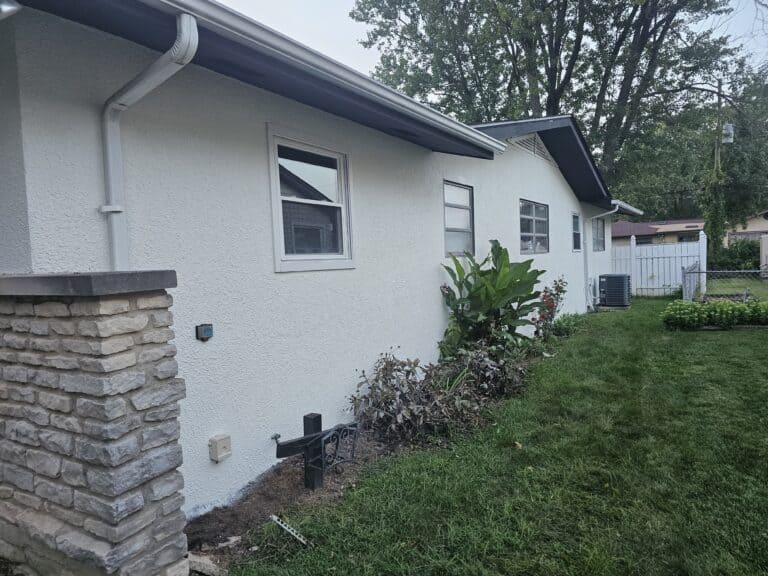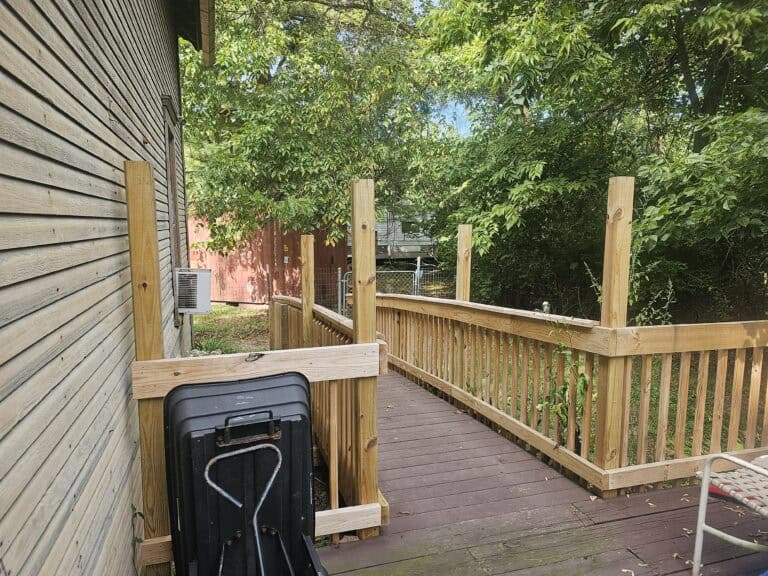
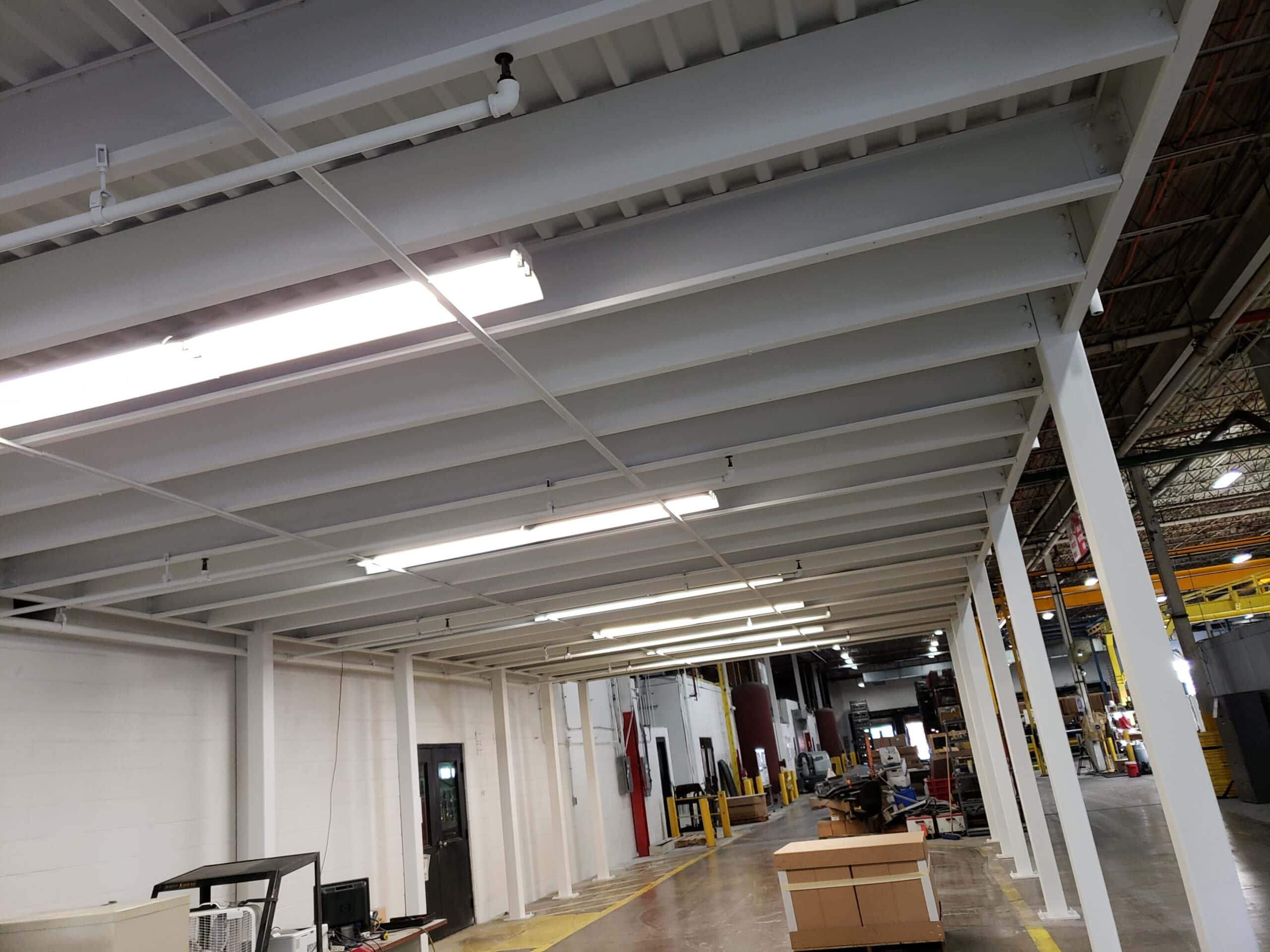
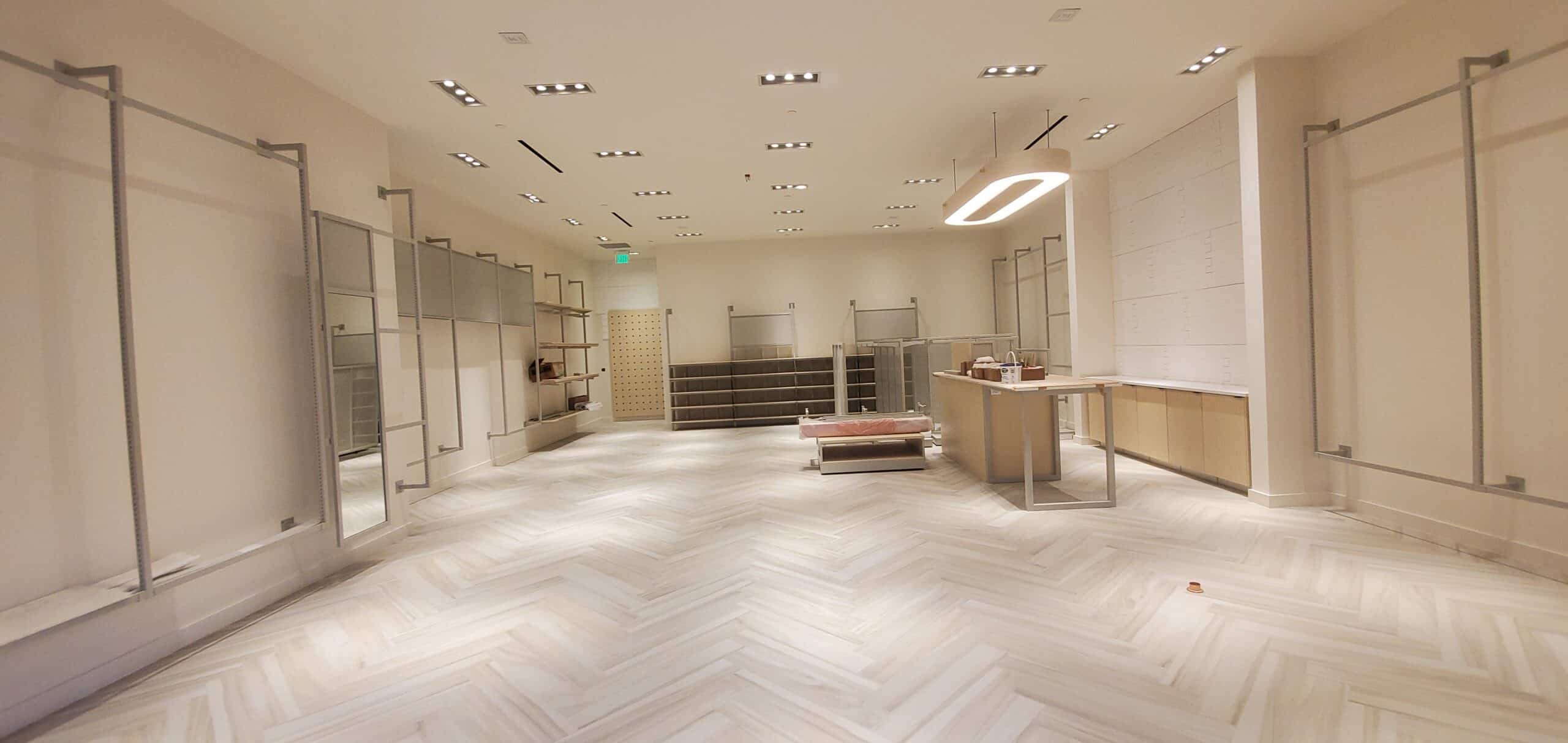
Quick answer: Phased commercial painting in occupied Columbus buildings runs 15–40% above straight-through pricing in 2026. The premium comes from after-hours labor (20–40% above day-rate), repeat mobilization, and slower per-day production. The right phasing strategy (zone-by-zone vs floor-by-floor vs after-hours-only) depends on tenant operations, life-safety constraints, and brand-standard finish requirements. Done right, the building never closes and the work finishes on time.
In this guide
Updated June 2026. Built from real PaintWerks occupied-building commercial paint projects across Central Ohio including healthcare, retail, multi-tenant office, and senior living. Planning a paint cycle for an occupied facility? Schedule a free walkthrough or call 614-582-4227.
The Phasing Premium — Why Occupied Building Work Costs More
Painting an occupied building is fundamentally a different job than painting an empty one. Three cost factors stack on top of straight-through pricing:
- Labor premium. After-hours, weekend, and overnight work carries a 20 to 40 percent labor uplift over standard daytime rates. The premium covers shift differentials, smaller crews, and the supervisor coverage required when crews work outside business hours.
- Repeat mobilization. Setting up containment, masking, and protection in one area, then tearing it down and setting up in the next, eats 0.5 to 1 day per phase. A 10-phase project carries 5 to 10 extra mobilization days you do not pay on a single-mobilization straight-through job.
- Reduced production rate. Phased crews are smaller (3–5 painters vs 8–12 on a clear-go job) and have less efficient sequencing. Daily output per painter drops 15 to 25 percent on phased commercial work.
- Tenant coordination overhead. Daily walkthroughs with tenants, notification posts, fixture protection sign-offs, and adjusted access protocols add 0.5 to 1 hour per crew per day in overhead that does not exist on an empty building.
- Low-VOC and quick-cure product requirements. Occupied buildings often require zero-VOC and antimicrobial systems that cost 30 to 80 percent more per gallon than standard commercial paints.
"The cheapest paint quote on an occupied building is almost always the one that did not price phased mobilization into the bid. That is the change order at week two."
Five Phasing Strategies and When to Use Each
The right phasing strategy depends on how the building operates, where the tenants are, and what hours the facility can give up. Five common strategies:
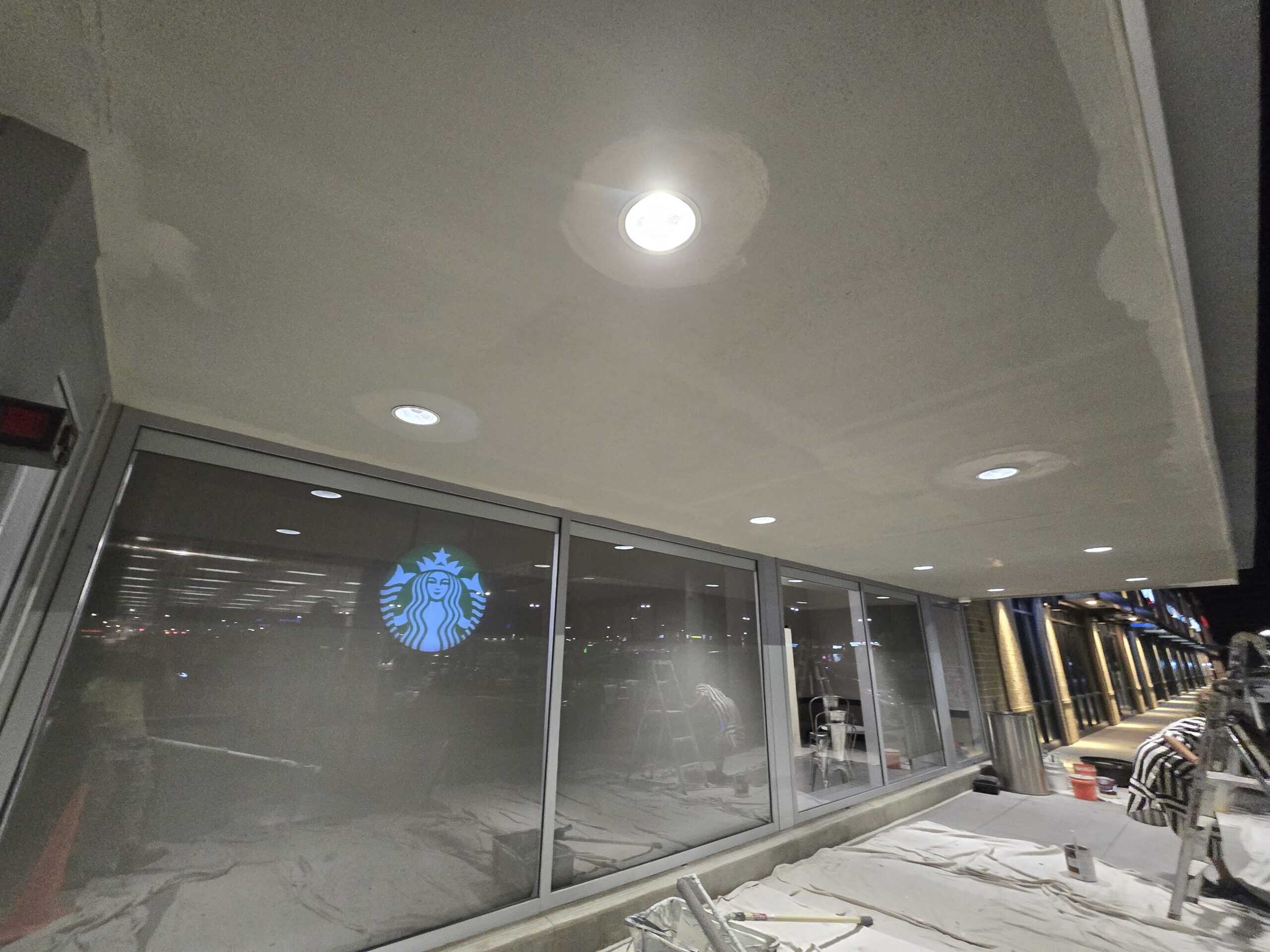
- After-hours only (nights and weekends). Crews work 6pm to 6am or Friday-Sunday. Best for retail, restaurants, and any building that fully closes. Carries the highest labor premium (30 to 40 percent above day rate) but zero impact on operations. Example: Target ACM canopy repair, New Albany ran entirely overnight to meet a corporate inspection deadline.
- Zone-by-zone (wing-by-wing). Building divided into 3 to 8 zones. Crews complete one zone while the others remain in operation. Best for offices, schools, senior living, and multi-tenant facilities. Standard labor rate. Production rate drops 15 to 25 percent.
- Floor-by-floor. Multi-story buildings phased one floor at a time. Tenants temporarily relocate within the building. Best for vacant-floor scenarios in Class A and Class B office. Standard labor rate with some after-hours for stairwells and elevator lobbies.
- Dark periods. Painting during defined operational gaps (school summer break, hospital low-census periods, retail dark days like Christmas Day for chains that close). Best when the facility has a predictable down-time. Standard or slight premium labor rate.
- Continuous occupancy phasing. Crews work in 4-hour windows around tenant operations with continuous active occupancy. Required for 24/7 facilities (hospitals, senior living, data centers). Highest coordination cost, 35 to 50 percent labor premium, slower production. Rarely the right answer.
2026 Phasing Premium Schedule for Columbus
Estimated cost uplift over straight-through (single-mobilization, daytime, vacant building) pricing for the same scope:
| Strategy | Premium Over Baseline | Best For |
|---|---|---|
| Zone-by-zone (daytime) | +15 to 25% | Offices, schools, senior living |
| Floor-by-floor (daytime) | +10 to 20% | Multi-story office, multi-family |
| Dark periods | +5 to 15% | K-12 summers, healthcare low-census, holiday retail |
| After-hours only (nights/weekends) | +25 to 40% | Retail, restaurants, fully-closed facilities |
| Continuous occupancy | +35 to 50% | Hospitals, senior living, 24/7 facilities |
The Sequencing Playbook We Run on Every Phased Job
Eight steps that turn a phased schedule from a coordination nightmare into a predictable program:
- Pre-job walkthrough with tenant ops. Every space gets walked with the tenant manager (or facility GM) two weeks before the start. Identify life-safety paths, equipment we cannot touch, after-hours access, and any operational red lines.
- Phasing plan signed off by tenant + owner. Written schedule, zone map, daily sequence, and check-in cadence. No work starts until both sides sign the phasing plan.
- Daily notifications. Email or text to tenant point of contact 24 hours before each zone starts. Posted notice in the zone 4 hours before. Adjusted access protocols communicated in writing.
- Containment and fixture protection. 6-mil poly on every adjacent wall, plastic over furniture, masking of vents and HVAC returns. Set up at end of previous shift, ready for next-shift production.
- Low-VOC product spec. Default to zero-VOC for all occupied work. Sherwin-Williams ProMar 200 Zero-VOC or Benjamin Moore Ultra Spec 500 Zero-VOC are the workhorses.
- End-of-shift cleanup and inspection. Crews walk each zone with the tenant rep before clocking out. Sign-off captures any issues for next-day correction before they become problems.
- Punch and final walkthrough per zone. Each zone gets its own punch list and final sign-off. No carryover across zones.
- Cumulative progress report to facility. Weekly report showing zones complete, zones in progress, zones upcoming, and budget burn vs schedule.
4 Costly Mistakes Property Managers Make
What we see go wrong on phased commercial projects when an experienced GC is not running the schedule:
- Accepting a straight-through bid for phased work. If the bid is silent on phasing, mobilization counts, and after-hours premium, you are buying a change order at week two. Always require phasing language in the bid.
- No written phasing plan signed by tenant ops. Verbal "we will work it out" agreements unravel the moment a crew arrives at 7am to a busy operation. Get the plan in writing before mobilization.
- Skipping low-VOC and antimicrobial spec on healthcare or hospitality. Standard latex paints in an occupied healthcare wing trigger HVAC complaints, sensitivity reactions, and corporate compliance reviews. Zero-VOC is the baseline.
- Not budgeting for repeat mobilization. Each new zone takes 0.5 to 1 day of setup and teardown. A 10-phase job is 5 to 10 extra mobilization days. The bid better reflect this or you are funding the gap.
For commercial cost benchmarks across space types see our commercial painting cost guide. For drywall finish levels that pair with these spec scopes see our commercial drywall finish levels spec guide.
Frequently Asked Questions
20 to 40 percent above day-rate labor in Columbus 2026. The premium covers shift differentials, smaller crews (3 to 5 painters typical for night work vs 8 to 12 day crew), supervisor coverage, and slower per-night production rates.
Yes, with phased zone-by-zone scheduling and 6-mil poly containment. Most occupied office, retail, school, and senior living repaints we run are phased around tenant operations. The trade-off is a 15 to 40 percent cost premium and a longer overall calendar.
Phased typically runs 2 to 3 times the straight-through calendar. A 10,000 sqft office repaint that runs 5 to 8 days straight-through runs 12 to 20 days zoned. The crew-day count is similar but the calendar extends because crews are smaller and zones cannot overlap operationally.
Zone-by-zone divides a single floor into 3 to 8 functional zones (lobby, north wing, east wing, etc.). Floor-by-floor moves the entire crew between floors of a multi-story building. Zone-by-zone fits offices and schools. Floor-by-floor fits multi-tenant office and multi-family with vacant floors.
For healthcare, hospitality, education, and senior living: yes, almost always. Sherwin-Williams ProMar 200 Zero-VOC or Benjamin Moore Ultra Spec 500 Zero-VOC are the standard products. For occupied office and retail: low-VOC is recommended but standard latex is sometimes acceptable. Always check the tenant or facility spec.
The general contractor or commercial painting firm running the job. On a PaintWerks project, our project manager owns the phasing plan, daily notifications, and end-of-day walkthroughs with tenant ops. As a licensed Ohio general contractor, we can also coordinate adjacent trades under one contract.
A defined operational gap when the facility is closed or low-traffic. K-12 summer break (mid-June to mid-August). Healthcare facilities have lower-census periods that vary by service line. Retail chains have specific dark days (Christmas, Easter Sunday for some). Painting in a dark period gets you near-empty building conditions at a 5 to 15 percent premium over straight-through.
Yes but expensive. Continuous-occupancy phasing runs 35 to 50 percent over straight-through pricing and uses 4-hour work windows around clinical operations with full containment. Zero-VOC and antimicrobial coatings are required. Patient room repaints typically happen during room turnover between patients rather than under occupancy.
Plan Your Phased Project
Planning a phased paint program for an office portfolio, retail center, healthcare facility, or senior living community? We will walk the building, sit down with your facility manager, and price out the phasing strategy that fits your operational constraints and your budget. Forty-five minutes onsite. Educational walkthrough.
See our full commercial painting services or commercial services hub.