Quick answer: Interior paint lasts 7 to 10 years on living-room walls, 5 to 7 years in high-traffic spaces, 4 to 7 years on trim and doors, and 3 to 5 years in kitchens and bathrooms. Exterior paint lasts 5 to 10 years depending on exposure, product tier, and prep quality. Premium acrylics like Duration, Aura, and Emerald hit the high end of every range. Builder-grade paint hits the low end.
In this guide
Updated June 2026. Built from real PaintWerks repaint cycles across Columbus and Central Ohio homes and buildings. If your space is showing wear and you want a real assessment, request a free walkthrough or call 614-582-4227.
Interior Paint Lifespan by Room and Surface
Indoor paint does not weather like exterior paint. It fades, scuffs, marks up, and goes through fashion changes long before the film itself fails. The lifespan number that matters is how long it stays looking good, not how long the polymer survives chemically.
| Surface | Typical Lifespan | Biggest Wear Factor |
|---|---|---|
| Living room and bedroom walls | 7 to 10 years | Color trends, minor scuffs |
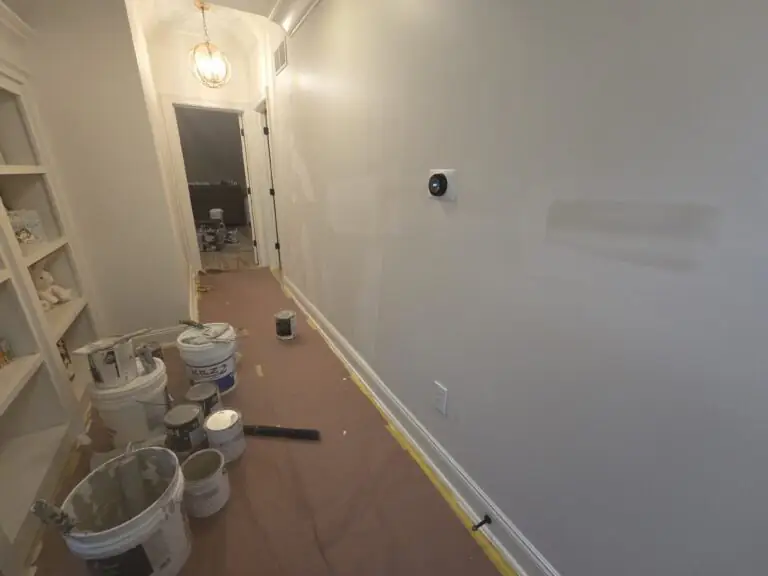
| Hallways and stairwells | 5 to 7 years | Hand prints, scuff marks, traffic |
| Kid bedrooms and playrooms | 3 to 5 years | Crayon, fingerprints, art residue |
| Ceilings (flat sheen) | 10 to 15 years | Smoke, water stains, dust |
| Trim and doors | 4 to 7 years | Chips, dings, scuffs at handle height |
| Kitchen walls and ceilings | 3 to 5 years | Grease, steam, cooking residue |
| Bathroom walls and ceilings | 3 to 5 years | Humidity, mildew, water |
| Cabinets (sprayed enamel) | 8 to 12 years | Wear at handles, water near sinks |
| Closets and storage rooms | 15+ years | Nothing, they are forgotten |
Exterior Paint Lifespan by Exposure
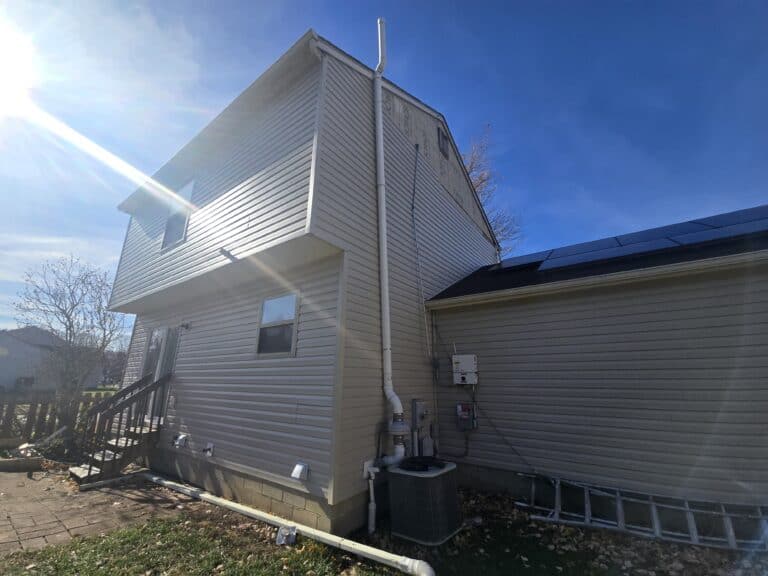
Exterior paint lifespan is mostly a UV and moisture story. South and west walls in full Columbus sun take twice the UV beating that north walls do. East walls weather faster than north because of morning sun plus moisture from overnight dew burn-off.
| Exterior Surface | Typical Lifespan | Notes |
|---|---|---|
| Fiber cement siding (LP, HardiePlank) | 10 to 15 years | Best long-term substrate for paint |
| Wood siding (cedar, pine) | 5 to 8 years | Tannin bleed, expansion, water uptake |
| Vinyl siding | 8 to 10 years | Must use vinyl-safe colors |
| Aluminum siding | 10 to 12 years | Chalking is the main failure mode |
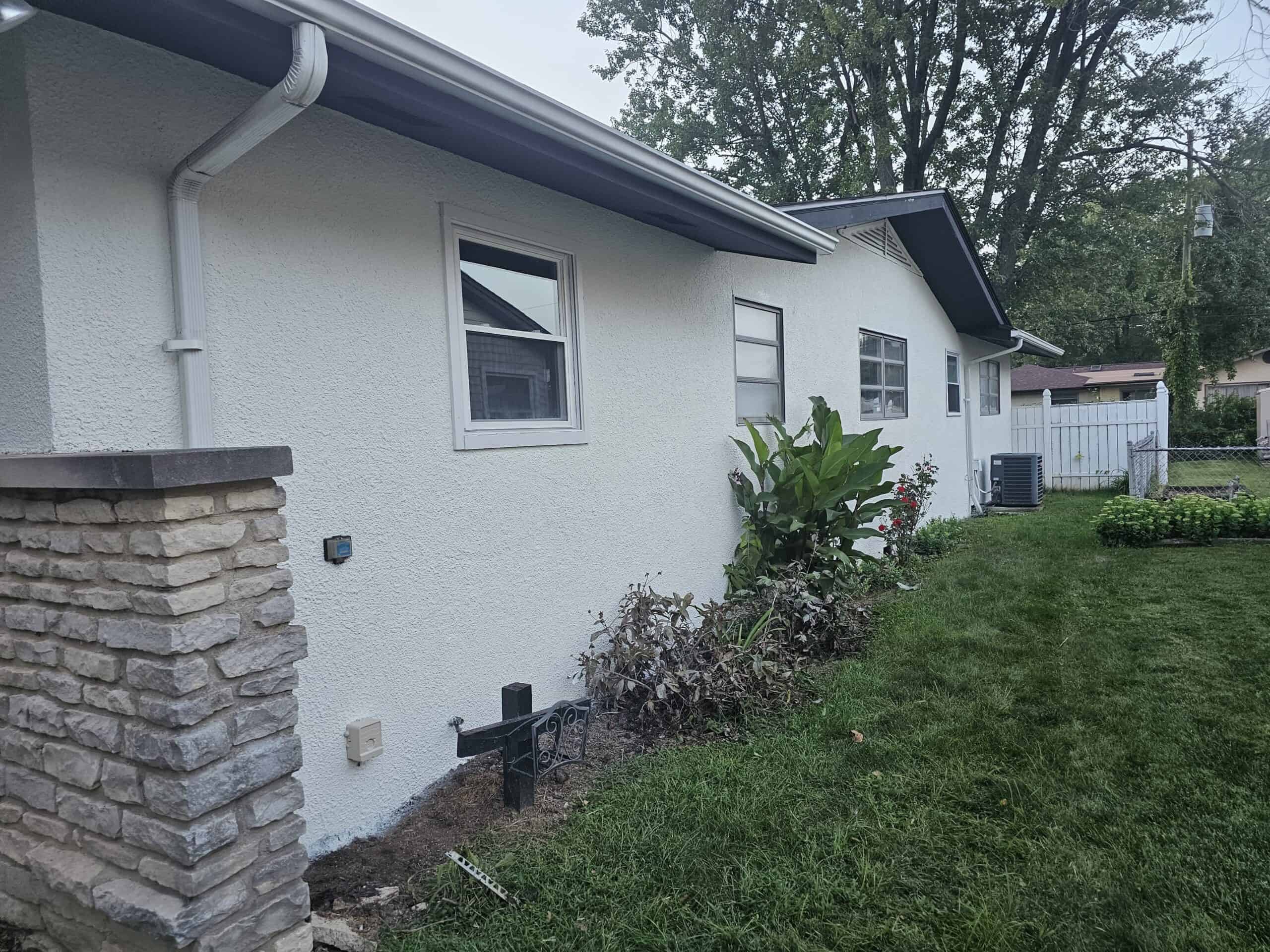
| Stucco | 8 to 12 years | Watch for hairline cracks |
| Brick (painted) | 15 to 20 years | Only if applied correctly the first time |
| Exterior trim and fascia | 4 to 7 years | UV degrades white pigment fastest |
| Decks (paint, not stain) | 3 to 5 years | Reason we usually recommend stain |
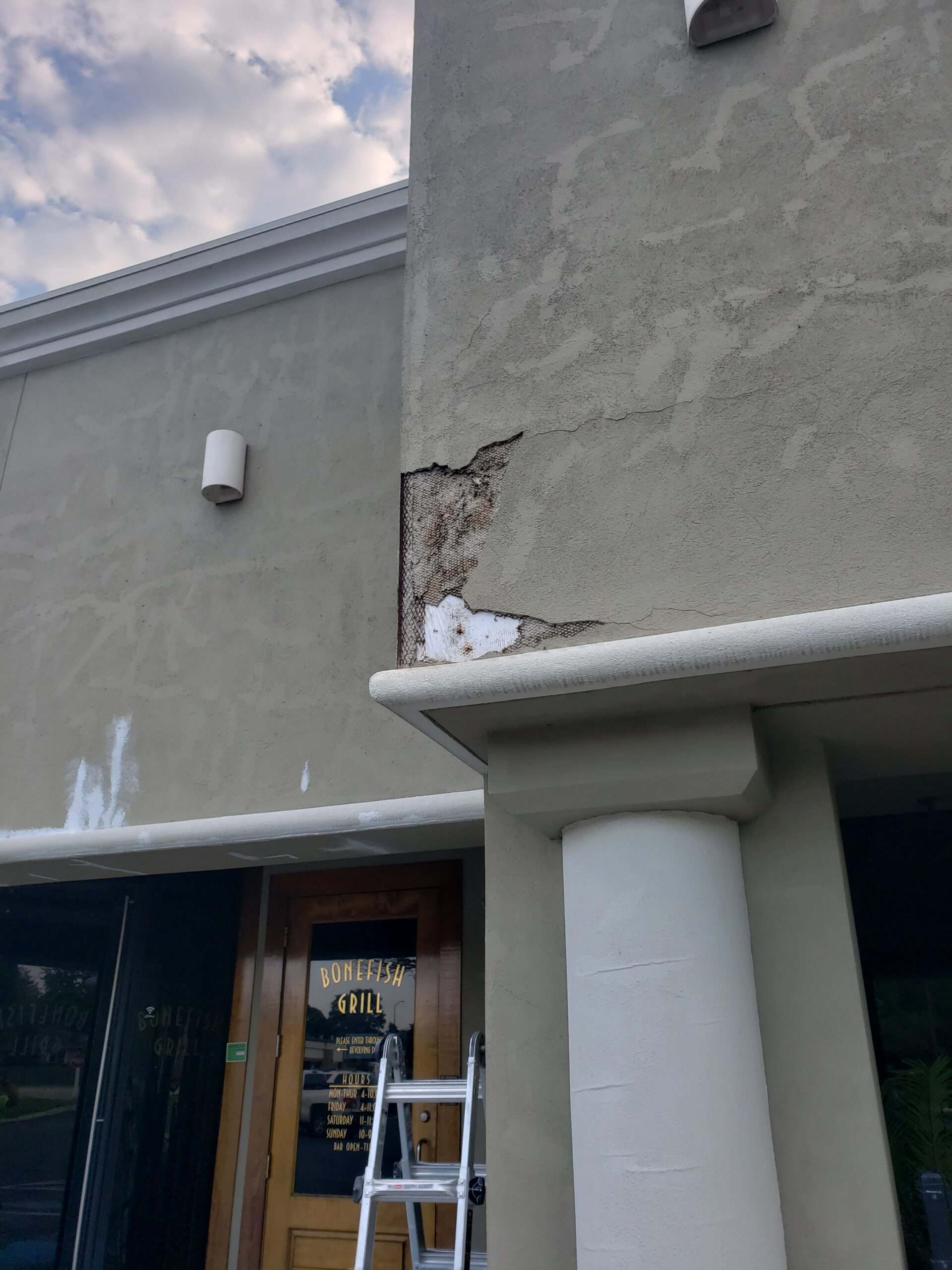
At end of life
Chalking, fading, peeling on south-facing walls
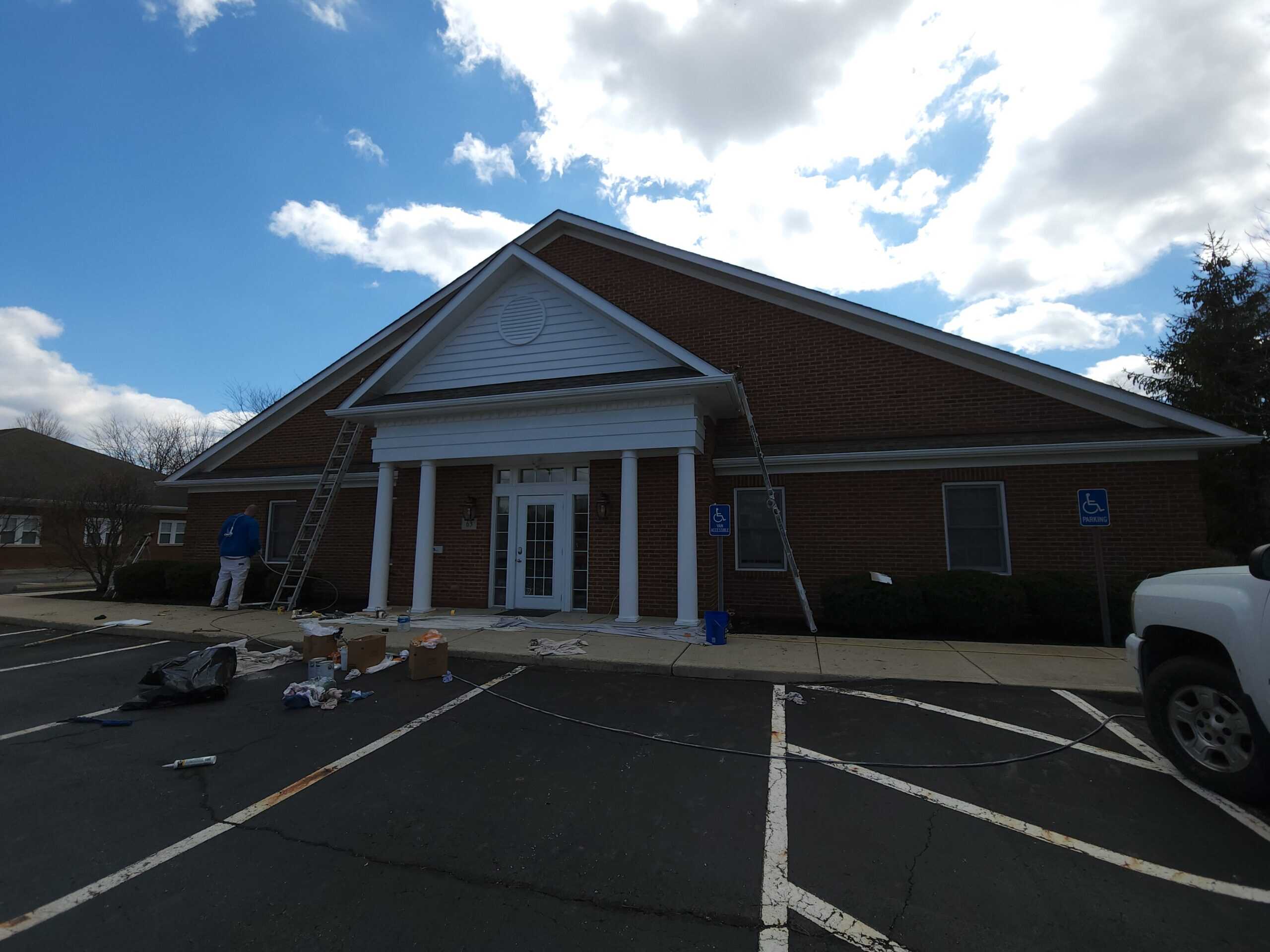
Premium recoat
Proper prep plus premium acrylic holds 7 to 10 years
Premium vs Builder Grade: The Math
The price difference between a premium acrylic and a builder-grade paint at the can is about $25 to $35 per gallon. On a typical Columbus 12-gallon interior repaint, that is a $300 to $400 product upcharge. The lifespan difference is roughly 50 percent. Premium paint that lasts 9 years instead of builder-grade that lasts 6 saves you one full repaint over 18 years. At today’s labor rates, that math runs heavily in favor of premium product.
Premium also performs better day to day. Better scrub resistance keeps walls looking clean. Better hide means fewer coats. Better leveling produces a smoother finish on the same drywall substrate. Sherwin-Williams Duration vs Emerald covers the premium-tier comparison for exterior work.
What Actually Determines Paint Lifespan
The variables that matter more than the can on the wall.
1. Surface Prep
The single biggest factor on every job. Paint applied over loose old paint fails when the old paint fails, regardless of how good the new product is. Pressure washing, scraping flaking paint, sanding glossy areas, patching damage, and priming bare spots is what makes the difference between a 4-year paint job and a 10-year paint job.
2. Substrate Condition
Sound substrate paints fine. Rotted wood, water-damaged drywall, rusted metal, and cracked stucco all need repair before primer or the topcoat fails when the substrate fails. As a licensed general contractor, we handle substrate repair in-house instead of stopping the job to bring in another trade.
3. Color Choice
Dark colors fade faster than light. Reds and blues fade fastest because organic pigments break down under UV. Whites and beiges last longest. On exterior trim, a navy or deep red front door will fade 30 to 40 percent faster than the same product in white.
4. Application Quality
Two thin coats outlast one thick coat. Proper film build (around 4 to 5 wet mils per coat for most acrylics) creates the polymer thickness that gives the rated lifespan. Skipping the second coat to save labor is one of the most common shortcuts that cuts paint life in half.
5. Columbus Climate
Freeze-thaw cycles from November through March stress every exterior paint film. Summer humidity above 65 percent slows cure and reduces ultimate hardness. UV from June through September is intense on south and west walls. The Ohio coating window for proper cure runs late April through mid-October.
Commercial Paint Lifespan Is a Different Calculation
Commercial buildings have higher wear, higher cleaning requirements, and recoat cycles driven by brand standards as much as paint performance. Commercial painting typically runs on a shorter cycle than residential.
| Commercial Space | Repaint Cycle | Driver |
|---|---|---|
| Office buildings, corridors | 3 to 5 years | Daily wear, brand image |
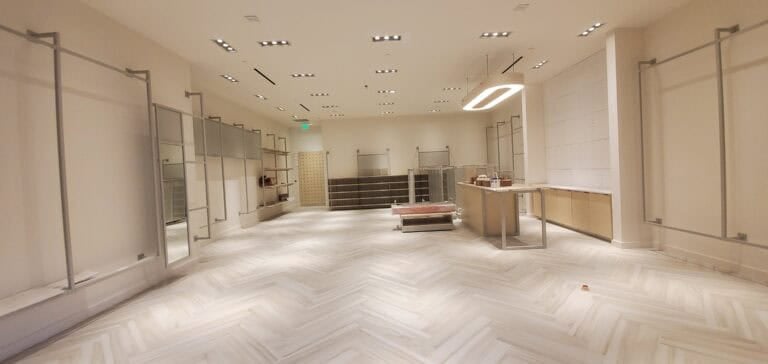
| Retail and storefront | 2 to 4 years | Brand refresh, seasonal resets |
| Medical and dental facilities | 4 to 6 years | Cleaning chemicals, infection control |
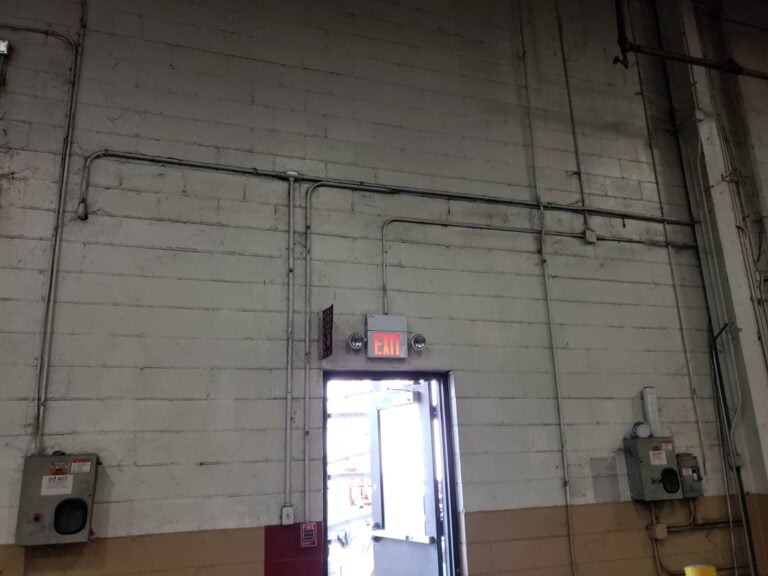
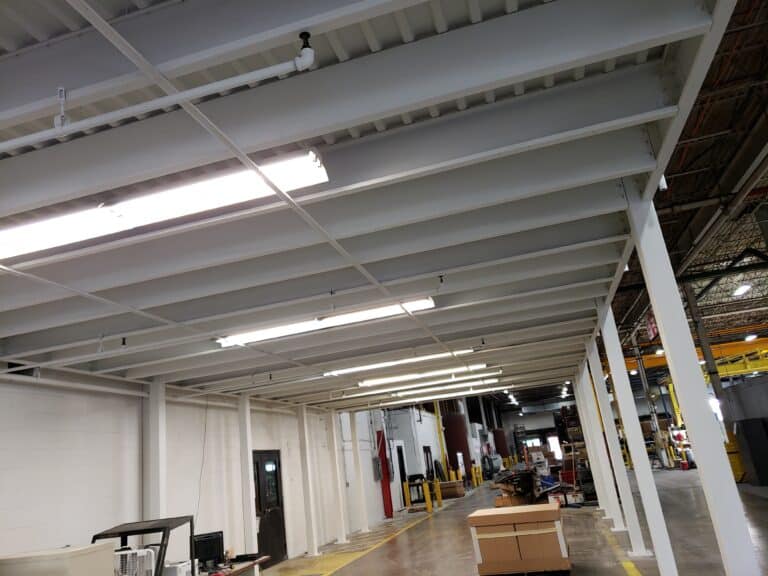
| Warehouse and industrial CMU | 5 to 10 years | Wear, forklift damage, branding |
| Multifamily turnover units | Every turnover | Standardized refresh between leases |
| Multifamily common areas | 3 to 5 years | 24/7 traffic wear |
| Restaurant FOH | 2 to 4 years | Customer-facing finish standard |
| Restaurant BOH | 3 to 6 years | Grease, washing, food-safe coatings |
"Paint lifespan is not about the can. It is about prep, substrate, sheen choice, and exposure. The same product lasts twice as long in one spot and fails fast in another."
How to Extend Paint Lifespan
- Wash exterior siding annually — gentle wash at under 1,500 PSI removes pollen, mildew, pollutants that degrade the film.
- Touch up caulk and small repairs early — open joints let water and UV behind the paint, extending the full repaint window 2 to 3 years.
- Address drainage issues — overflowing gutters and downspouts dumping water on siding accelerate failure.
- Match sheen to wear — eggshell on living rooms, satin in hallways, semi-gloss on trim, scrubbable matte in kitchens and baths.
- Use premium products on high-wear areas — cabinets, trim, exterior south and west walls justify the $25 per gallon upcharge.
- Plan repaints one season ahead — booking before the paint is visibly failing keeps you on a calendar instead of reacting to damage.
Signs It Is Time to Repaint
The visual cues that say the clock is up.
- Chalking — white powder on your hand when you rub the siding.
- Fading or color drift — especially on south and west walls.
- Cracking, alligatoring, or peeling — anywhere on the building envelope.
- Caulk lines splitting — at trim and siding joints.
- Tannin bleed — coming through painted cedar or redwood.
- Mildew streaks — below gutters or in shaded areas.
Frequently Asked Questions
Every 5 to 10 years depending on substrate, exposure, and product. Fiber cement and brick on the longer end. Wood siding and exterior trim on the shorter end. South and west walls fade faster than north walls.
Living rooms and bedrooms run 7 to 10 years on a quality product. Hallways and kid spaces 5 years. Kitchens and bathrooms 3 to 5 years. Trim and doors 4 to 7. Most homes do not repaint everything at once.
Premium acrylic outperforms builder-grade by 40 to 70 percent on lifespan in most direct comparisons. So not quite double but close enough that the math works on the labor savings over a 20-year horizon.
Yes on exterior, marginally on interior. Freeze-thaw cycles stress exterior films. Summer humidity slows cure. UV from June through September hits south and west walls hard.
8 to 12 years on a properly sprayed enamel system over correctly prepped cabinets. Cabinet paint in kitchens shows wear first at the handles and drawer pulls.
Homes built before 1978 in Columbus may have lead-based paint under newer layers. Repainting over intact lead paint is allowed under EPA RRP rules but disturbed paint requires lead-safe practices and certified contractors.
Plan Your Next Paint Cycle
The right time to plan a repaint is one season before you actually need it. Booking the crew, choosing the color, and scheduling the work into a calendar quarter beats waiting until the paint is visibly failing. For residential painting on your home or commercial painting on your building, we walk the space, identify what needs repaint now versus next year, and quote the work.