
Color Change Painting Columbus Ohio
Licensed General Contractor | Family-Owned & Operated | Fully Insured
Home » Home > Residential Services » Residential – House Painting Columbus Ohio » Residential – Interior Painting Columbus Ohio » Painting Color Changes
What's on the Wall
Changing colors from dark to light is a different project than light to light. High-gloss to flat calls for a different primer than flat to matte. A wall with repaired patches needs sanded, sealed and primed for a uniform finish. We assess the existing color, sheen, and conditions during the quote, then build the approach around your unique situation and expectations. Skip any of these steps and the problems show up after the job is done, and that’s just not how we roll.
PaintWerks is a licensed general contractor and painting company based in Lewis Center, Ohio. Since 2016 we have handled color changes as part of our full interior painting services across Columbus and Central Ohio. No deposit to start. 2-year workmanship warranty on every project.
Beyond the Brush
Many paint projects need more than paint and primer. Prep work has a way of leading into other trades. We offer turnkey solutions that would otherwise require coordinating multiple companies.
No Deposit to Get Started
We do not ask for money upfront to hold your spot or get started. You get a detailed written quote, we agree on scope, and work starts without large upfront payments. As we understand trust is earned, not expected.
Changes With the Color
Dark to Light
Dark pigments bleed through standard paint no matter how many coats you stack. We apply high-hide primer tinted toward the new color so the base is already working before finish coats go on.
Light to Dark
Dark colors expose every lap mark, roller line, and thin spot that lighter shades forgive. We tint the primer toward the final shade and maintain a wet edge across the full wall so the depth reads even from corner to corner.
Same-Color Refresh
Repainting the same color still requires spot-priming every patched and sanded area because bare compound absorbs paint faster than the surrounding wall. Skip it and the touchups flash through the finish coat like a checkerboard.
Whole House Repaints
Full interiors mean managing color transitions where different sheens, lighting conditions, and wall textures all collide at the same doorway. Rooms painted out of order end up with hard lines where colors meet trim instead of clean, invisible breaks.
Single Room Updates
In a single bedroom, every square inch of wall is the finished product and there is nowhere for flashing, holidays, or inconsistent sheen to hide. We run the same primer strategy and two-coat process on one room that we run on thirty.
Trim and Door Color Changes
Switching stained trim to painted white is one of the most labor-intensive color changes in residential work. Every nail hole gets filled, every joint gets caulked, the polyurethane gets deglossed, and we finish with cabinet-grade enamel that cures hard, resists yellowing, and holds up to daily abuse.
Tailored Spaces
Bedrooms
A shade that looks perfect under store fluorescents can shift two full tones next to a north-facing window. We test samples on the actual wall before committing, and if the surface needs drywall repair behind the headboard or along closet corners, that gets handled before primer.
Bathrooms
Moisture from daily showers saturates the air and condensation collects on every surface, especially the ceiling. A color change in a bathroom means mildew-resistant primer, satin or semi-gloss rated for daily steam, and a ceiling product spec'd for standing moisture that flat paint was never designed to handle.
Kitchens
Cooking deposits a thin grease film on walls that you cannot see but primer will not bond to. We degrease every surface before priming, then finish with satin or semi-gloss that resists yellowing from heat and scrubs clean without burnishing.
Hallways and Stairwells
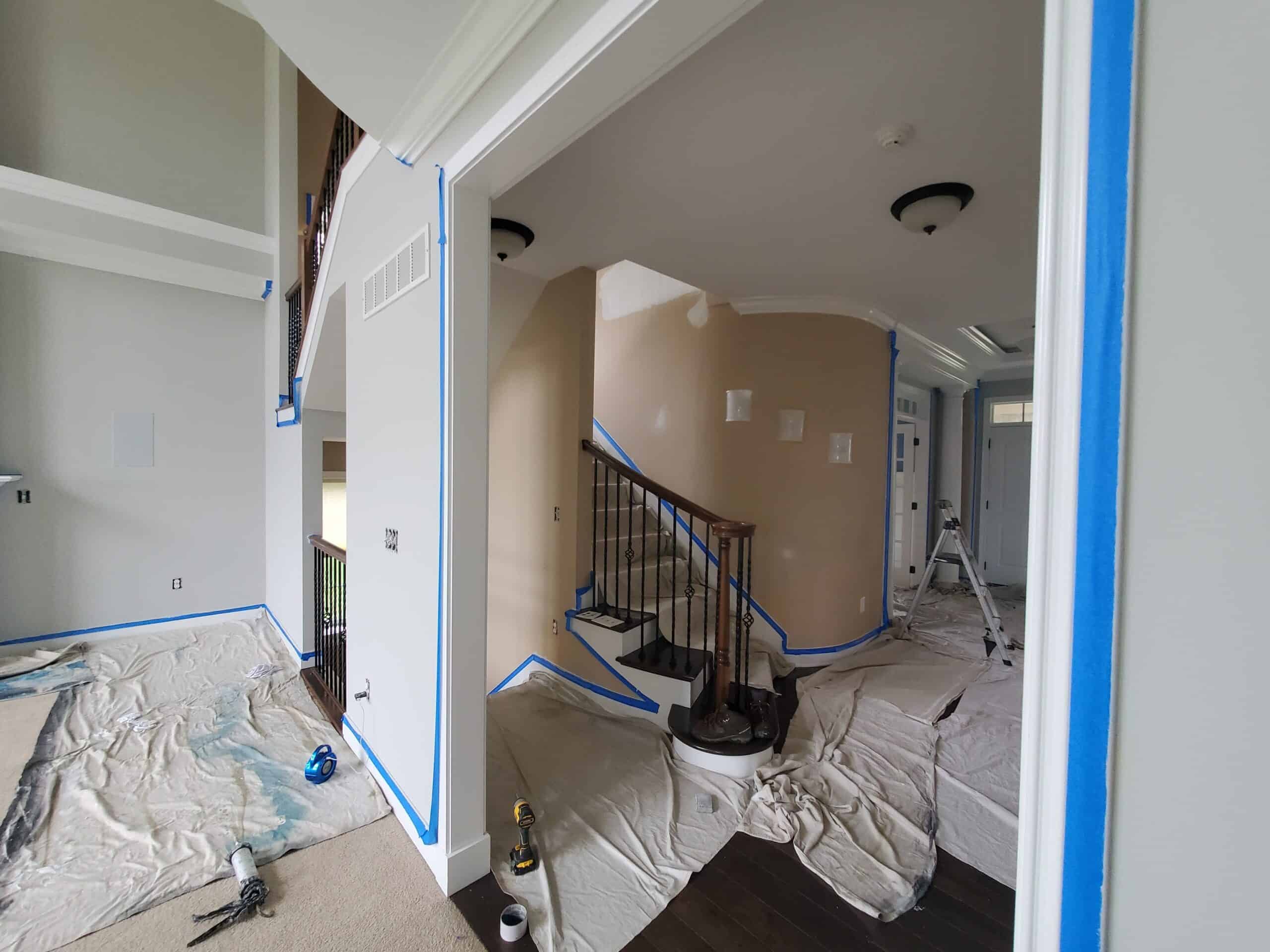
Every wall in a hallway is at arm's length and eye level, which means imperfections that disappear in an open living room are impossible to hide in a three-foot-wide corridor. Stairwells add a vertical challenge where we section each wall at natural break points so lap marks never catch light.
New Construction and Additions
Fresh drywall absorbs primer at a completely different rate than previously painted surfaces, and the finishing quality underneath determines whether the color reads flat and consistent or telegraphs every seam and fastener. We will not topcoat until the board has acclimated and released residual moisture, because painting too early traps water behind the film and causes blistering months later.
Our Process
Every color change follows the same sequence regardless of scope. We assess, prep, prime, and paint with no skipped steps. Here is what it looks like from first walkthrough to final coat.

Assessment
We walk the space and evaluate what is already on the walls. Existing color, sheen, and surface condition all affect the approach. We build the full plan during the estimate so coat count, products, and timeline are locked before the crew shows up.
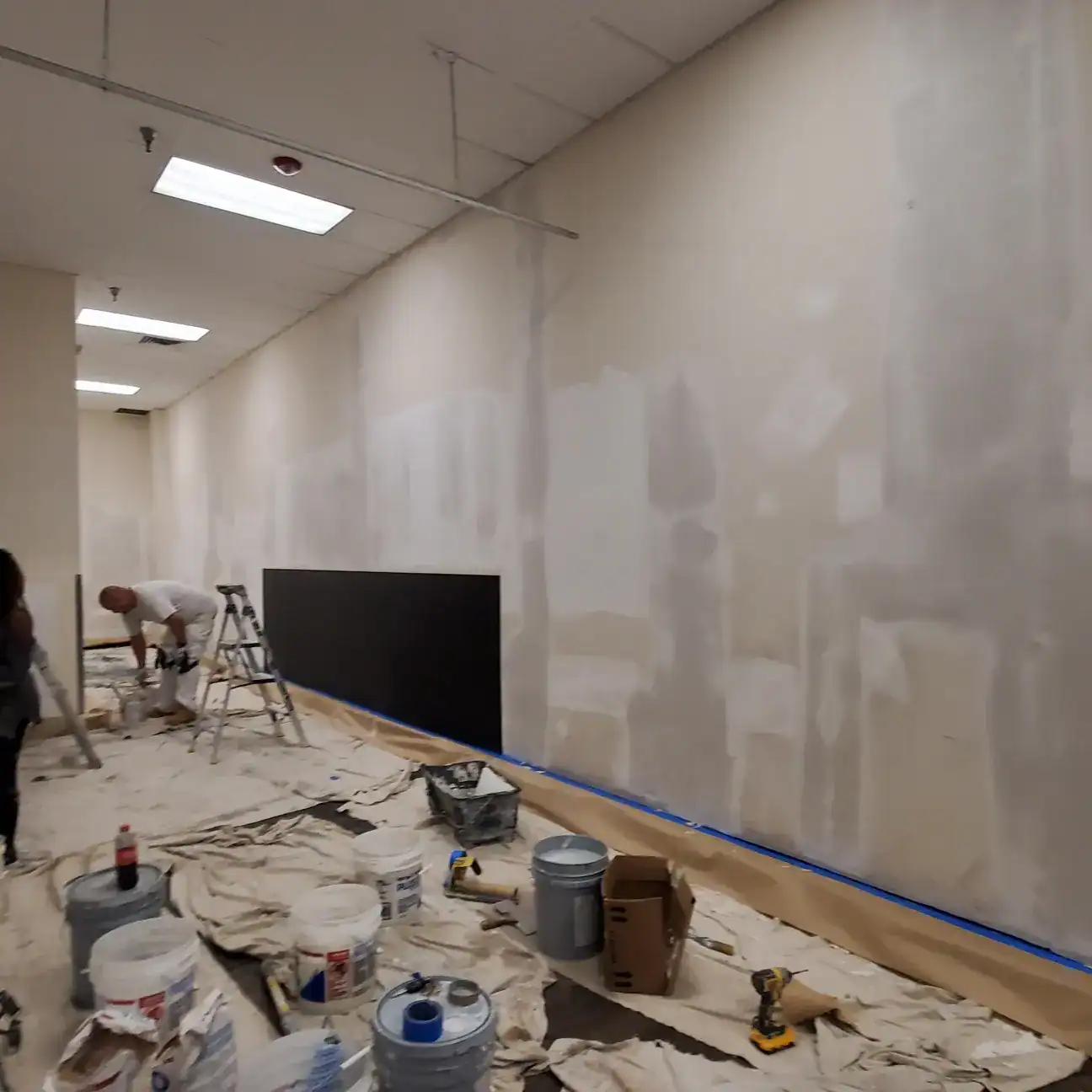
Prep and Protect
Nail pops get reset, cracks get patched, rough spots get sanded, and every gap along trim and baseboards gets caulked. Floors get drop cloths, furniture gets moved and covered, trim gets masked. If the walls need more than minor repair, our drywall crew handles it under the same contract.
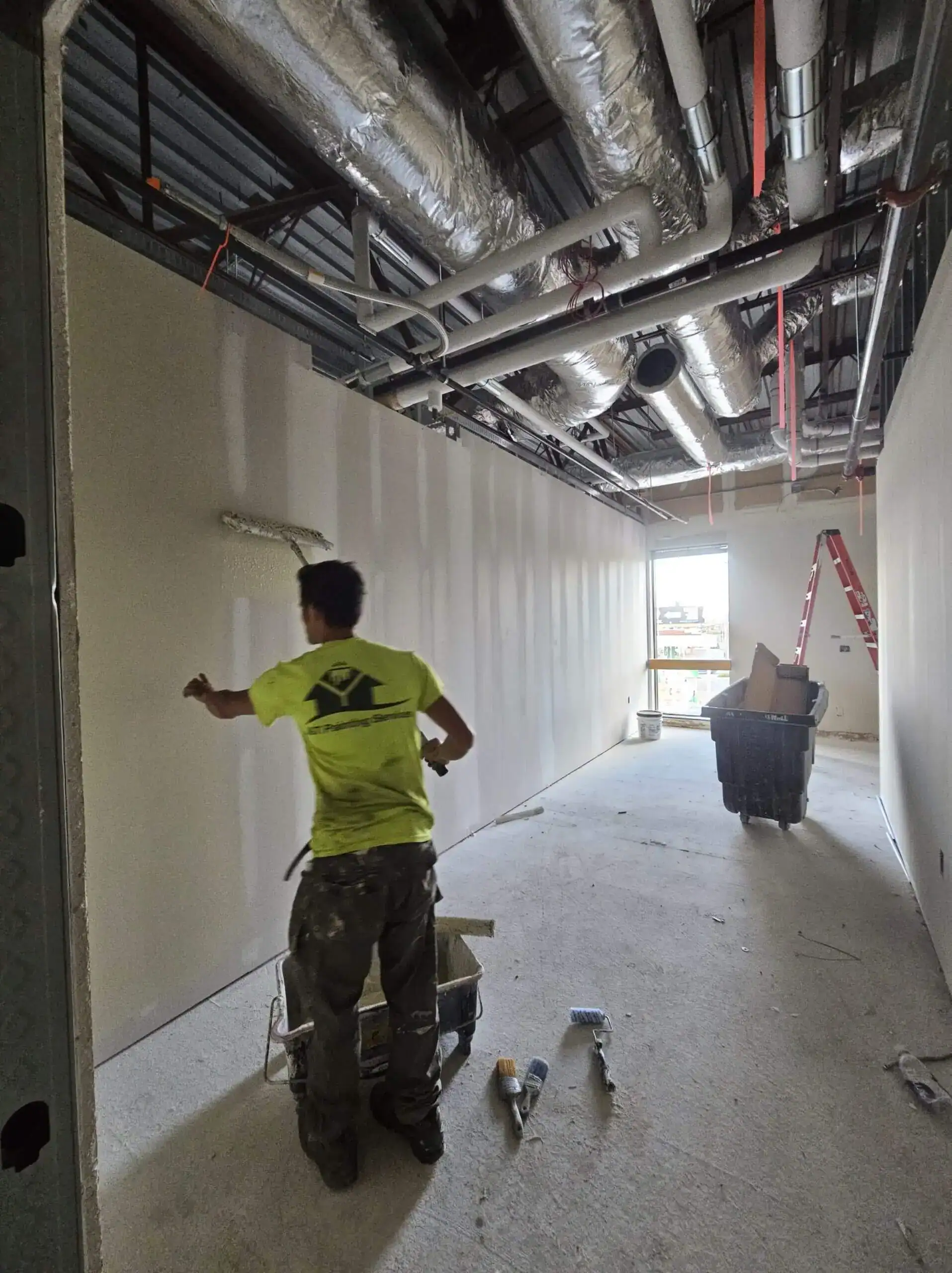
Prime and Paint
Primer gets selected for the situation. High-hide for dark-to-light, bonding primer for glossy surfaces, stain-blocking for water marks or smoke damage. Every repaired area gets spot-primed so it absorbs at the same rate as the surrounding wall. Then edges get cut by hand and walls get back-rolled. Two finish coats minimum, each with proper dry time.
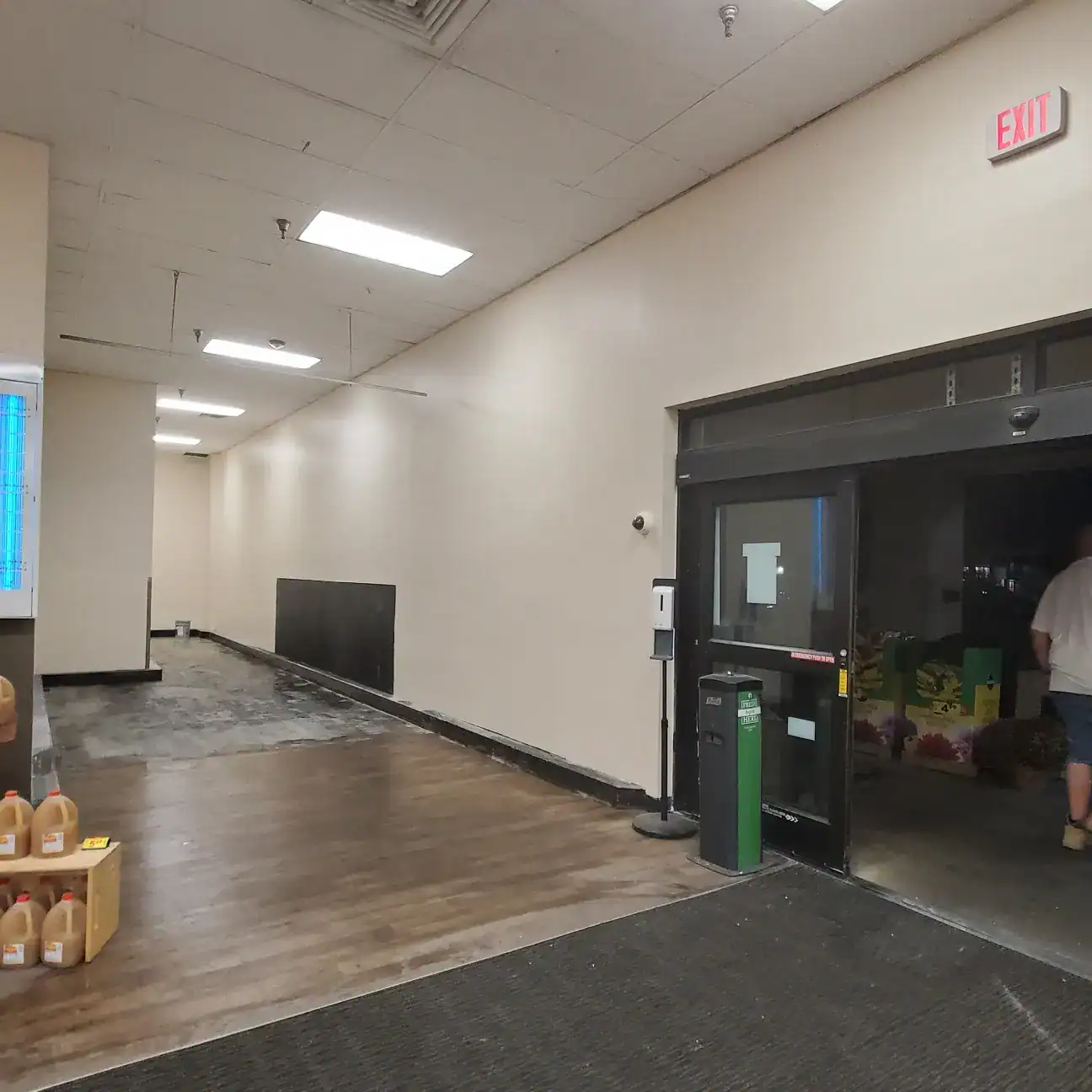
Final Walkthrough
We check every surface under natural and working light. Touch-ups get handled on the spot. You sign off when you are satisfied. Every project includes a 2-year workmanship warranty.
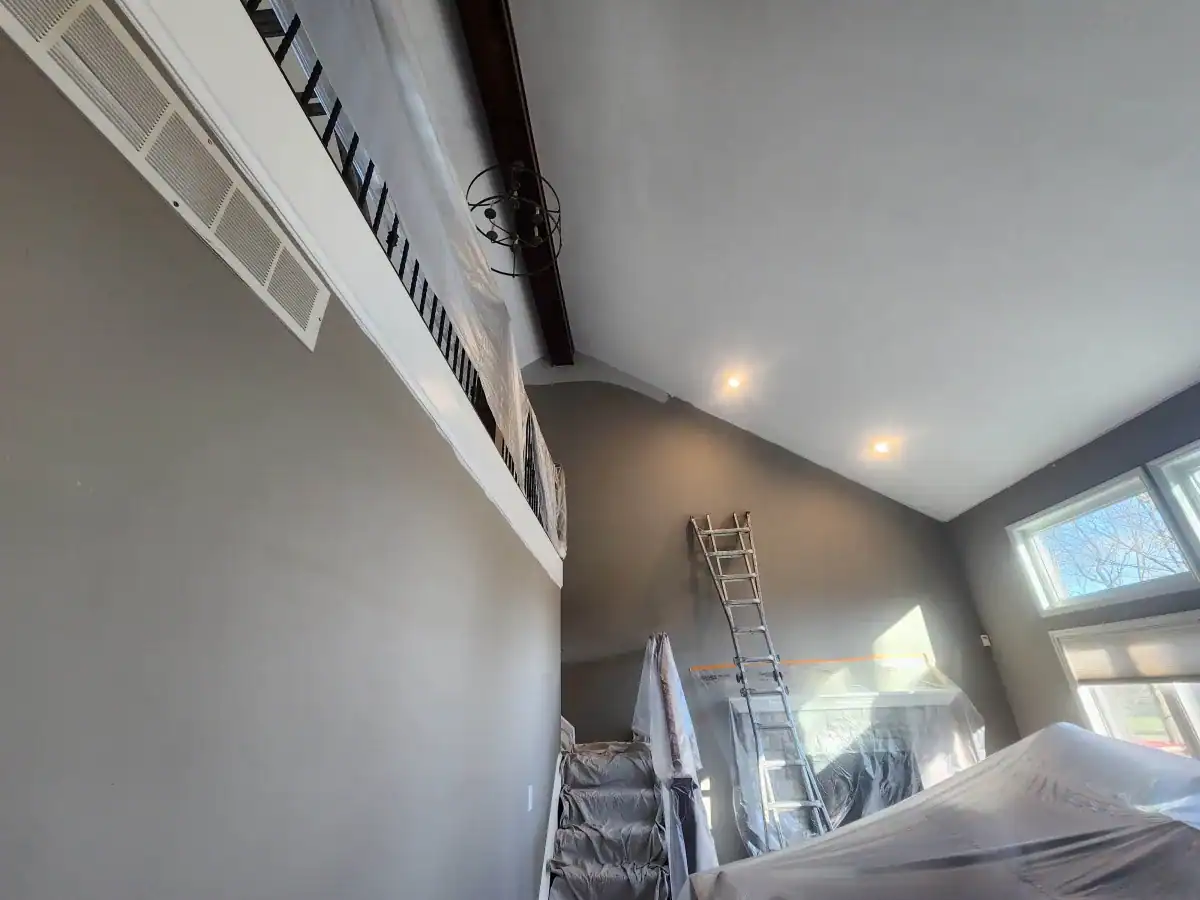
Related Services
Color changes connect to everything else we do inside your home. Most projects include one or more of these alongside the repaint.

Walls & Ceilings
Every wall and ceiling gets inspected, prepped, primed, and painted by the same crew start to finish. Flat on ceilings, eggshell or satin on walls, matched to the room.
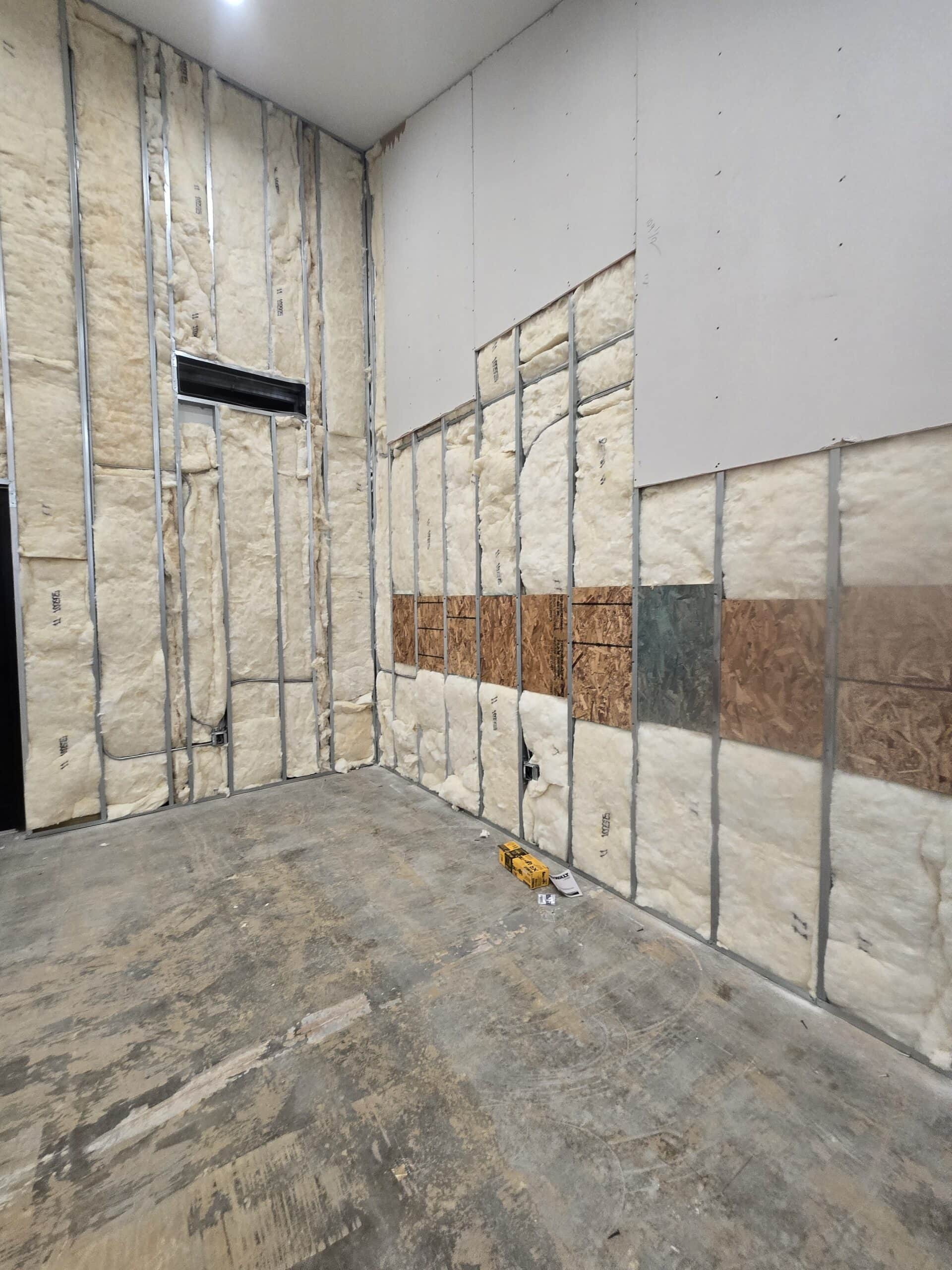
Accent Walls
One wall can change the entire feel of a room. We help you pick the right wall based on natural light and sight lines, then execute with clean edges and full coverage.
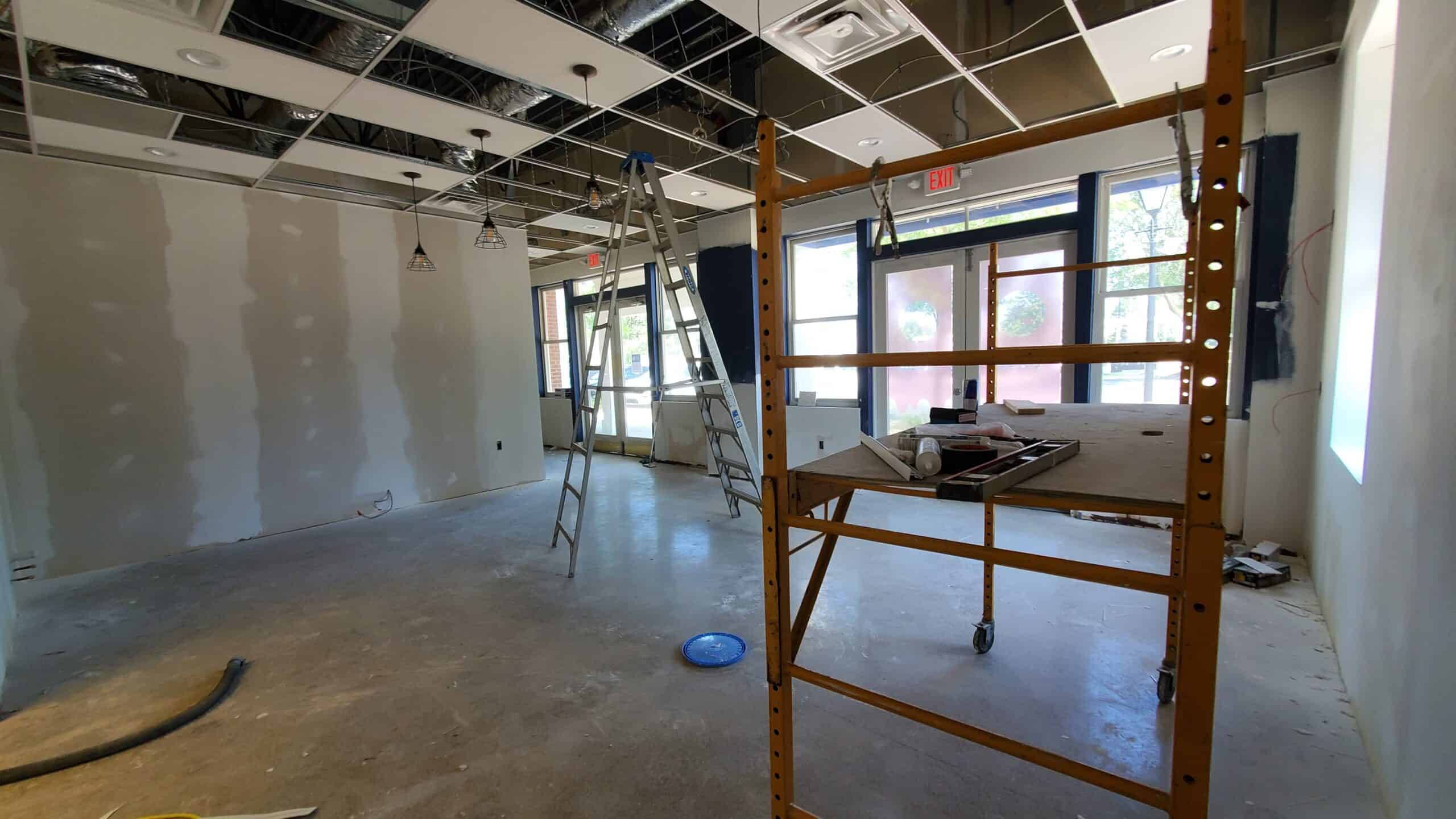
Trim, Doors & Cabinets
Trim and doors define the character of a room. We sand, prime, and finish with cabinet-grade enamel that resists yellowing, chipping, and daily wear.
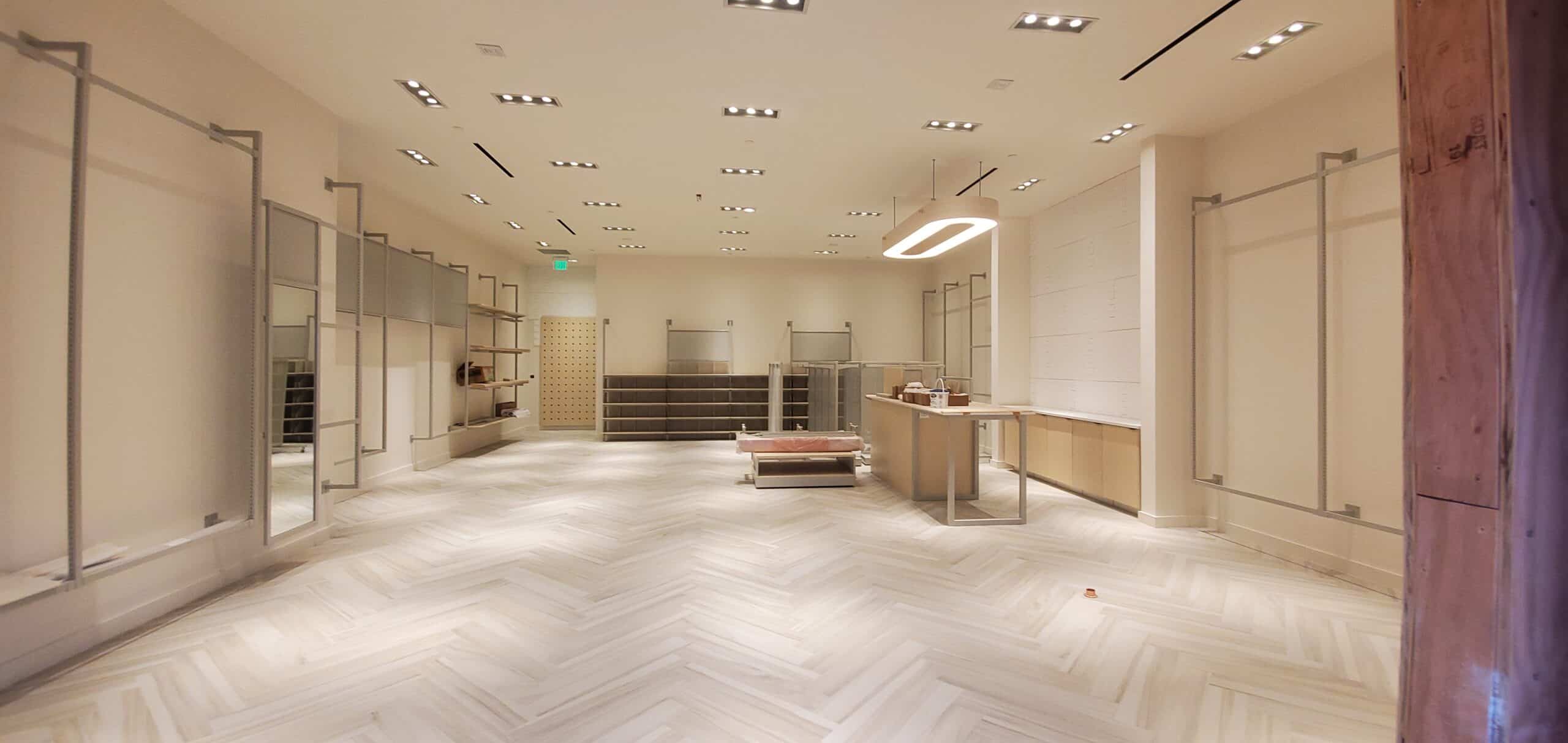
Prep & Repairs
Nail pops, cracks, texture issues, and failed caulk lines all get fixed before primer goes on. The surface underneath is what makes the paint on top last.
What Our Clients Say
Serving Columbus, Delaware and surrounding areas since 2016, and our reviews reflect the work we do and how we treat people. Check out what Columbus homeowners have to say about working with PaintWerks.
Color Change Painting FAQ
Why does dark to light cost more than light to light?
Dark pigments require high-hide primer to block the old color before finish coats go on. Light to light transitions can often skip that step because the existing color does not bleed through standard primer. The extra material and labor on a dark-to-light change adds cost, but skipping it leads to five coats that still shadow through in raking light. We price the primer strategy into the quote upfront so there are no surprises once the job starts.
Will my old color bleed through the new paint?
Not if the job is primed correctly. Bleed-through happens when the old pigment is not sealed before finish coats go on. We select primer based on the specific transition. High-hide for dark-to-light, stain-blocking for water marks or smoke damage, bonding primer for slick or glossy surfaces. The right primer makes the new color true on the first finish coat instead of fighting the old color underneath.
How do you handle color transitions between rooms?
We sequence rooms so wet edges never overlap across doorways and thresholds. Each room gets painted and completed before we move to the next. The cut line where two colors meet at a door frame or hallway opening gets taped and cut while the adjacent surface is still workable so the break is clean and invisible. Rooms painted out of order create hard lines that catch light and look unfinished. See how we handled a full interior repaint with accent walls and drywall repairs in Worthington.
Will the color look different on my wall than the sample chip?
Almost always. A two-inch chip under store fluorescents does not represent how that color reads across a full wall in your home. Natural light, artificial light, ceiling height, flooring color, and the sheen you choose all shift how a color appears. We recommend testing samples directly on your wall and checking them at different times of day before committing. A color that looks perfect at noon can feel completely different at 8pm under lamps.
Do patched areas show through after a color change?
They will if they are not primed. Bare drywall compound absorbs paint at a different rate than the surrounding wall, which causes dull flat spots called flashing that are visible under every sheen except dead flat. We spot-prime every patched, sanded, and repaired area so the surface absorbs evenly and the new color looks consistent across the entire wall. This is the step most DIY color changes skip and regret.
What happens if I don't like the color after it's on the wall?
This is exactly why we push for wall samples before committing to a full room. If you approve a color and we apply it, changing it means repainting over a freshly painted surface, which is additional labor and material. That said, going from one freshly painted color to another is one of the easiest transitions because the surface is already clean, smooth, and primed. We will work with you on options if the color does not land the way you expected.
Do I need to repaint the ceiling when I change wall colors?
Not always, but usually it makes sense. A fresh wall color next to a dingy or yellowed ceiling makes the ceiling look worse by comparison. If the ceiling is in good shape and still reads clean white, we can leave it. If it has stains, discoloration, or visible roller marks, painting it at the same time as the walls costs less than coming back later as a separate project. We will tell you honestly during the estimate whether the ceiling needs it or not.
How do you handle trim when the wall color changes?
Trim gets evaluated during the walkthrough. If the existing trim paint is in good shape and the color still works with the new wall color, we tape it off and cut clean lines against it. If the trim is chipped, yellowed, or dated, changing it alongside the walls makes the whole room come together. Switching stained trim to painted white is a bigger scope because every joint needs caulked, every nail hole filled, and the existing finish needs deglossed and primed before new paint will bond. See our trim, door, and cabinet painting services for the full process.