Wall and Ceiling Painting Columbus Ohio
Licensed General Contractor | Family-Owned & Operated | Fully Insured
Home » Home > Residential Services » Residential – House Painting Columbus Ohio » Residential – Interior Painting Columbus Ohio » Wall and Ceiling Painting Columbus Ohio
Only as Good as its Finish
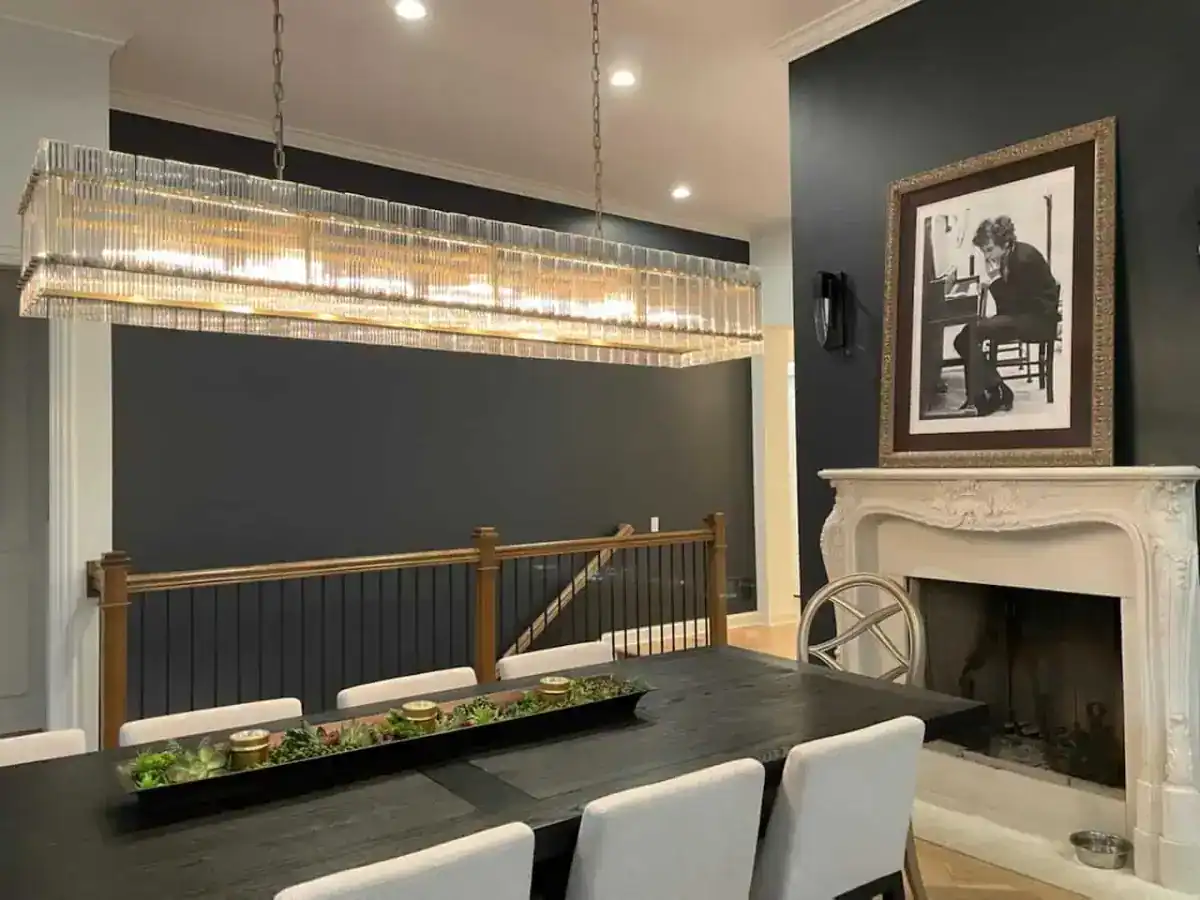
After a decade working in every city throughout central Ohio, we learned one thing early. Imperfections steal the show. A single roller mark, lap line or patch that flashes is all it takes to pull focus from the color you spent weeks choosing. Every wall and ceiling in your home is on display all day, every day and you want it to represent you well. Thats why PaintWerks treats wall and ceiling painting as precision work in a multistep process.
Every surface gets inspected, prepped, primed, and painted by the same crew start to finish so nothing gets missed. That is how we deliver walls and ceilings that look right under any light, from any angle, years after the work is done.
Serious About Sharp Lines
We tape off trim with delicate surface Frog Tape, caulk and backfill to fill voids and any cracks. Two full coats go on, then we pull the tape while the final coat is still wet. That is how to get laser straight lines every time. Perfect lines, no bleed through, no splatter on baseboards.
Fewer Hands, Better Results
Your walls and ceilings are painted by the same crew that prepped and primed them. No handoff between trades, no miscommunication about what needs a second coat or where the patches are. One team sees it from first inspection to final walkthrough.
Wall and Ceiling Painting Services
Professional interior painting across Columbus and Central Ohio. Every wall and ceiling gets the same process, the same crew, and the same standard.
More Than Two Coats
Cutting and Rolling
We cut every edge by hand along trim, ceilings, corners, and door frames before the roller touches the wall. Then we back-roll every surface for a smooth, even lay-down with no roller marks, no holidays, and no overlap lines. Ceilings get rolled separately in one direction to prevent lap marks and light banding.
Products That Match the Job
We work with Benjamin Moore and Sherwin-Williams and help you choose the right product for each surface. Ceiling paint is formulated different than wall paint for a reason. We use flat on ceilings to hide imperfections, eggshell or satin on walls for durability and cleanability, and semi-gloss on trim and doors for moisture resistance and definition.
Prep Built Into Every Job
Every wall and ceiling gets inspected, patched, sanded, and primed before paint application. We fill nail holes, reset nail pops, caulk gaps along trim, and skim any rough areas so the surface is flat and uniform. Surface prep is not an add-on. It is part of the scope on almost every project.
Protection and Cleanup
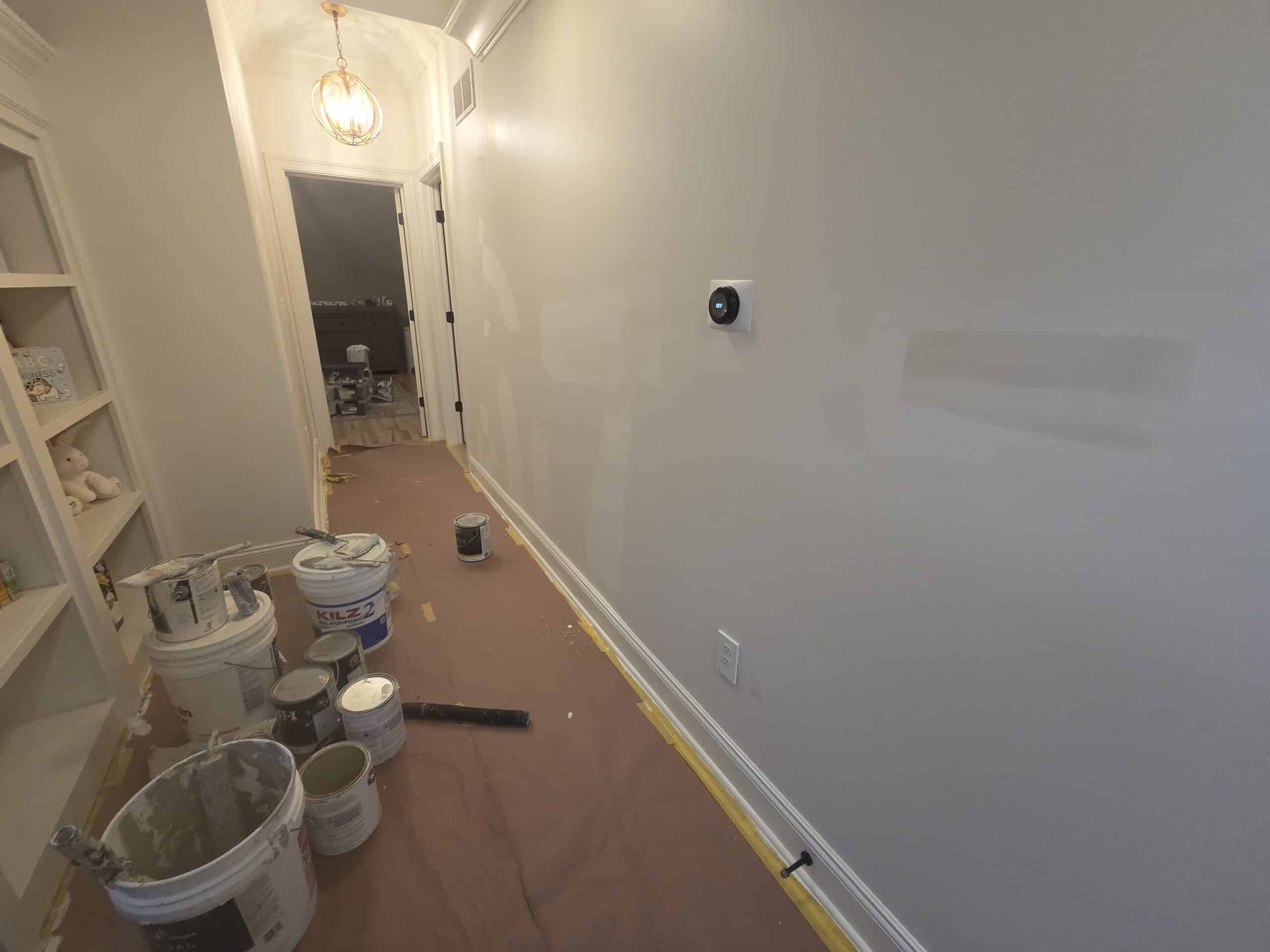
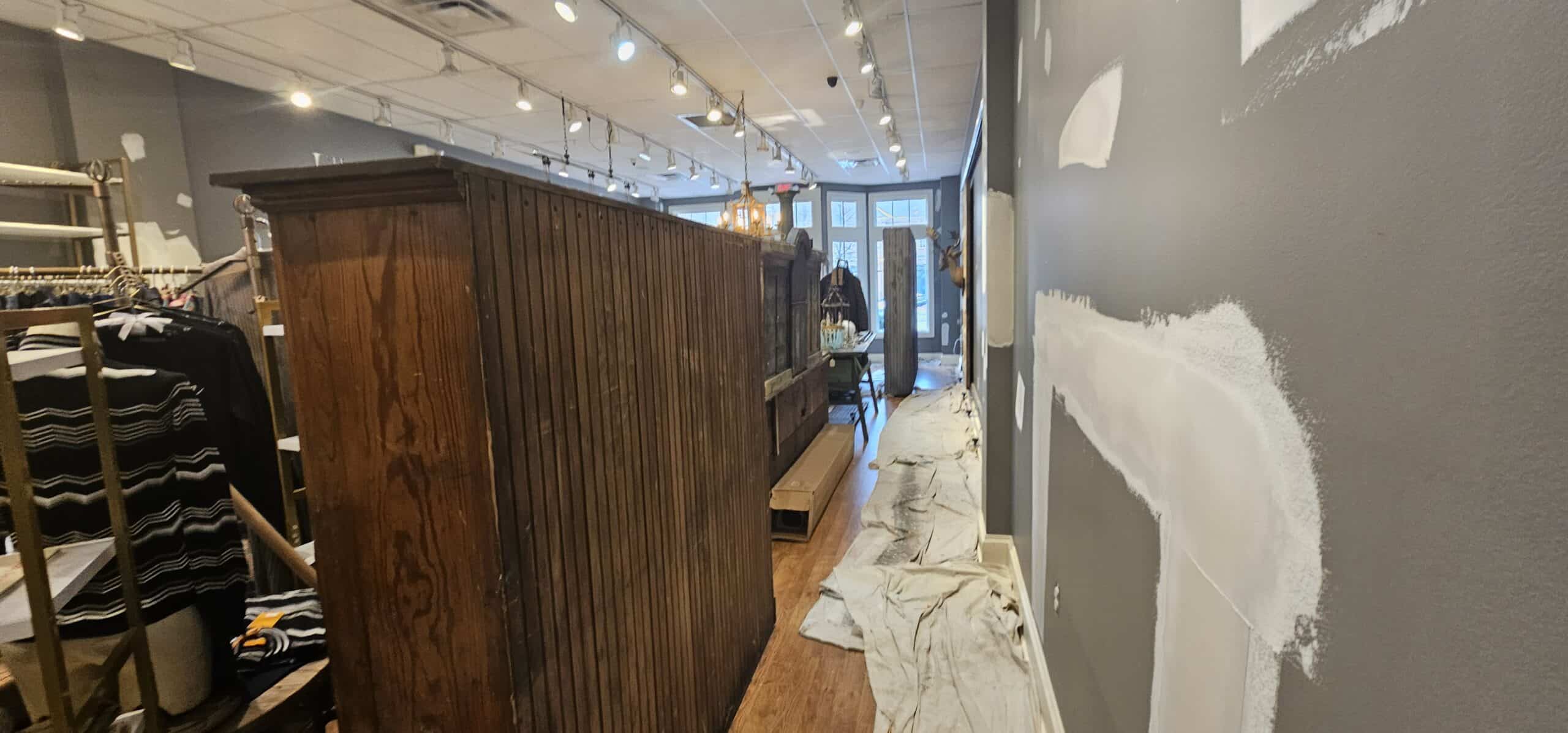
We mask off trim, baseboards, floors, fixtures, and anything that should not get paint on it. Drop cloths go down before we open a can. When the job is done, we clean up completely. No paint drips on your floors, no tape residue on your trim, no mess left behind.
Spec'd for the Space
Kitchens
Kitchen walls deal with grease, steam, moisture, and daily contact. We use scrubbable satin or semi-gloss finishes that clean up easy and resist yellowing around cooking areas. Ceilings above the stove and sink get extra attention because that is where moisture and grease buildup shows first.
Bathrooms
Humidity is the enemy in bathrooms. We use mildew-resistant paint with a satin or semi-gloss sheen that holds up against daily steam and moisture. Ceiling paint in bathrooms is spec'd different than the rest of the house because standing moisture collects overhead and flat ceiling paint cannot handle it.
Bedrooms and Living Areas
These rooms get the most visual attention and the least wear. We typically go with eggshell on the walls for a soft, clean look that still wipes down easily. Ceilings get a dead flat finish to diffuse light evenly and hide minor imperfections. If you want an accent wall, we help you pick a color and sheen that works with the room's natural light.
Hallways, Stairwells, and High-Traffic Areas
These spaces take the most abuse from hands, shoulders, furniture, and foot traffic. We use satin or semi-gloss with high scuff resistance so the walls hold up without showing every mark. Tight spaces like stairwells and narrow halls also require more precise cutting and rolling because every imperfection is at eye level.
Our Process
Every wall and ceiling project follows the same sequence. We inspect, prep, prime, and paint with no skipped steps and no shortcuts. Here is what it looks like from first walkthrough to final coat.

Surface Inspection
We walk the space and check every wall and ceiling for nail pops, cracks, stains, peeling, texture issues, and failed caulk lines. We note what needs standard prep and what needs more involved repair. If anything goes beyond the original scope, we flag it and talk through options before we start.
Prep and Prime
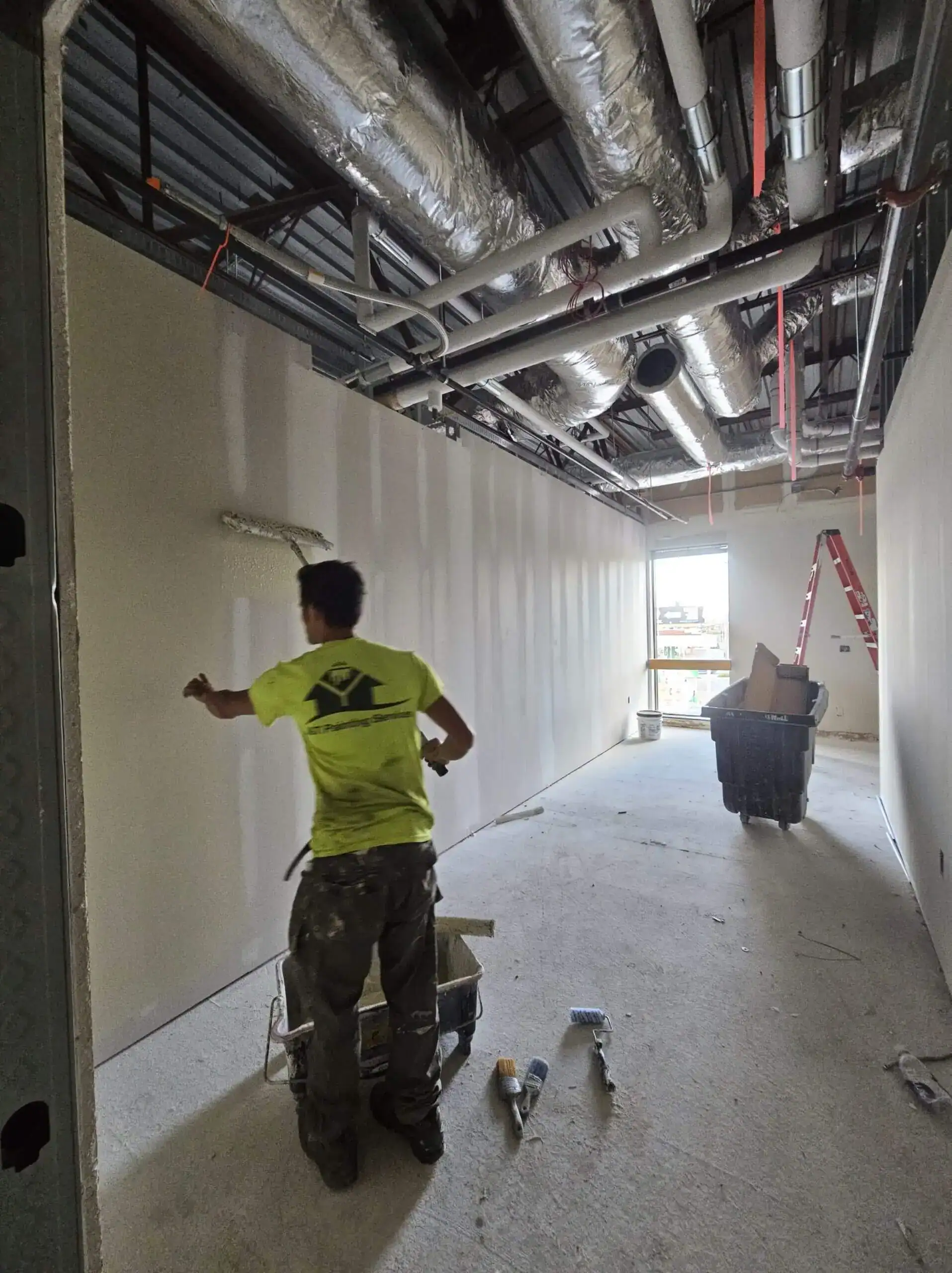
Nail holes get filled, nail pops get reset, cracks get patched, and rough spots get sanded smooth. We caulk gaps along trim, baseboards, and joints, then prime every repaired area so it absorbs paint at the same rate as the rest of the wall. Ceilings get a full prime coat when the surface calls for it.

Cut and Roll
Ceilings go first, then walls. We cut every edge by hand along trim, corners, and door frames, then back-roll each surface for a smooth, even lay-down. Two coats minimum on every surface. Each coat gets proper dry time before the next one goes on.
Final Walkthrough
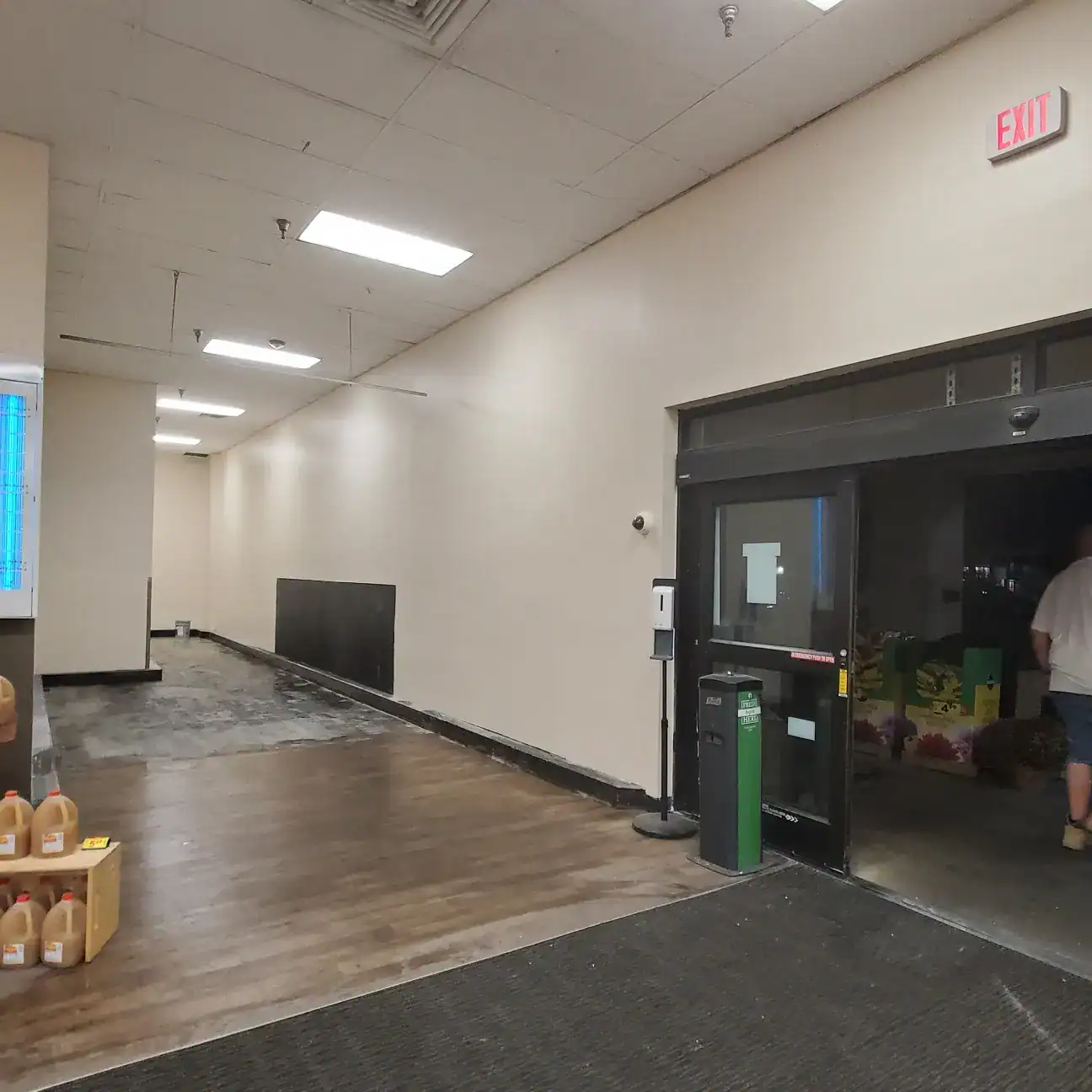
We check every wall, ceiling, edge, and corner under natural and working light. If anything needs a touch-up, we handle it on the spot. You sign off when you are happy with the result. Every project is backed by our 2-year workmanship warranty.
Related Services
Wall and ceiling painting connects to everything else we do inside your home. Most projects include one or more of these alongside the repaint.

Paint Prep & Repairs
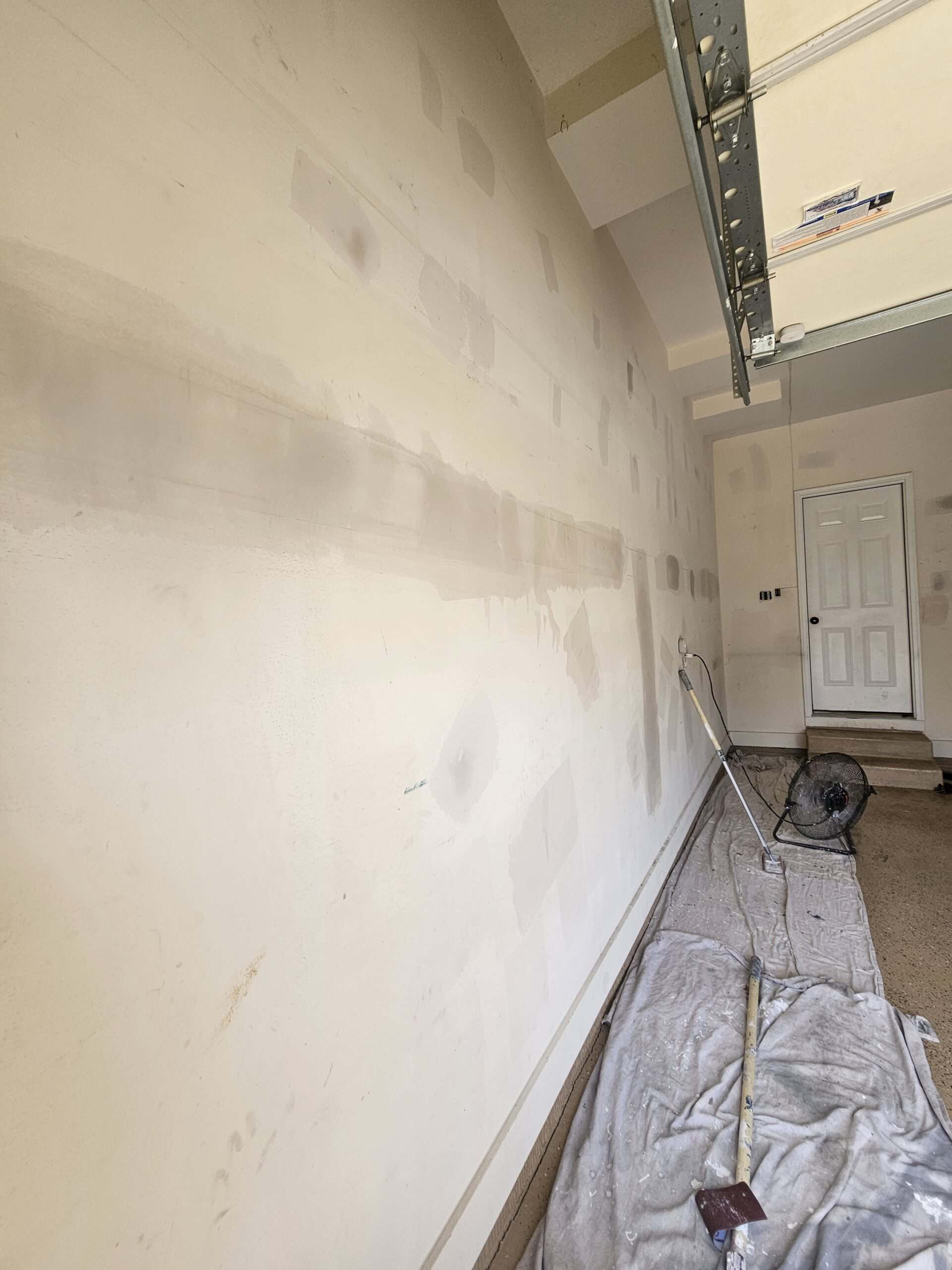
Every paint job starts with the surface underneath. We fix nail pops, cracks, texture issues, and failed caulk lines before primer goes on.
Accent walls
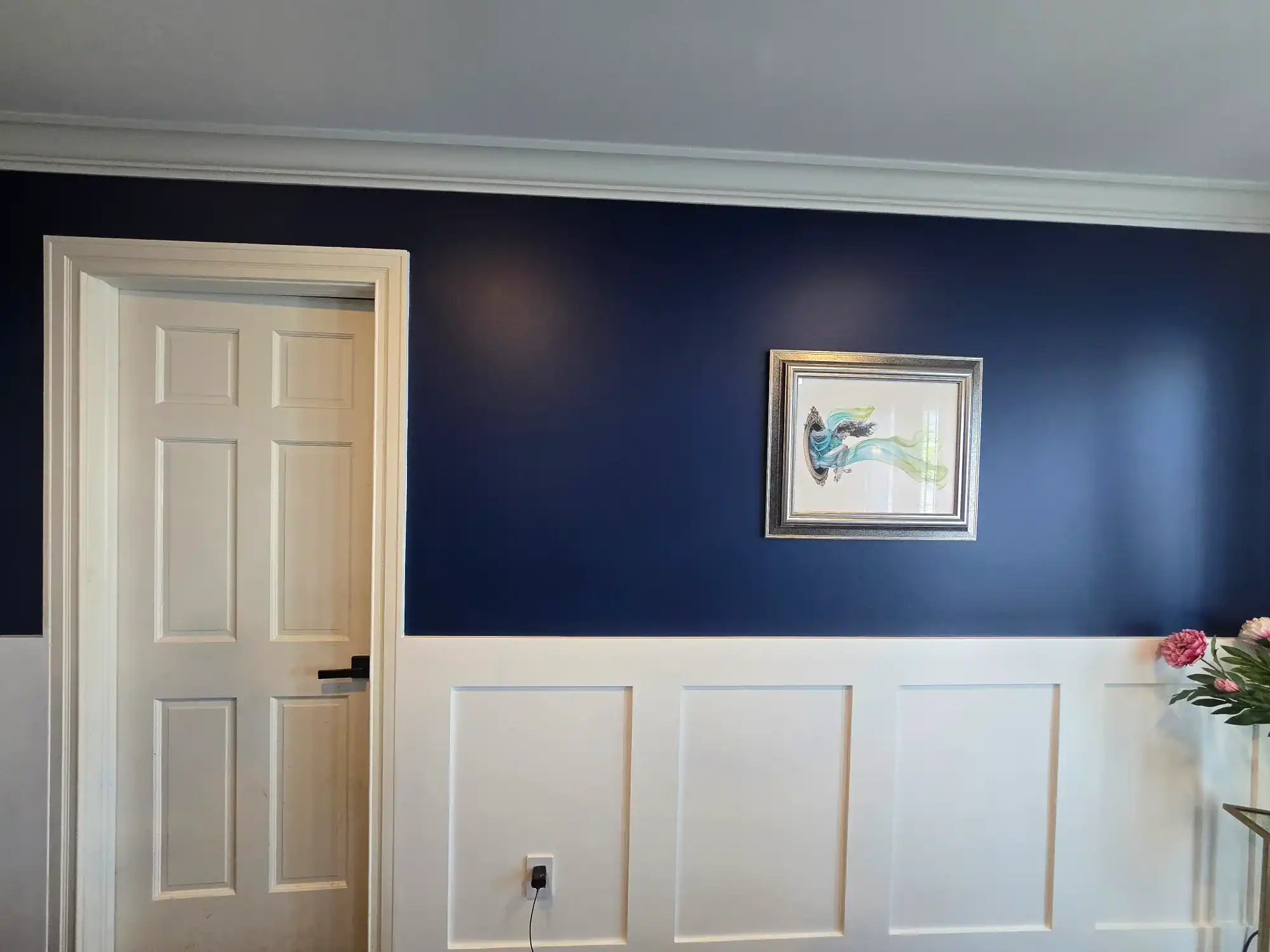
An accent wall is one of the simplest yet most powerful ways to transform the look and feel of any room.
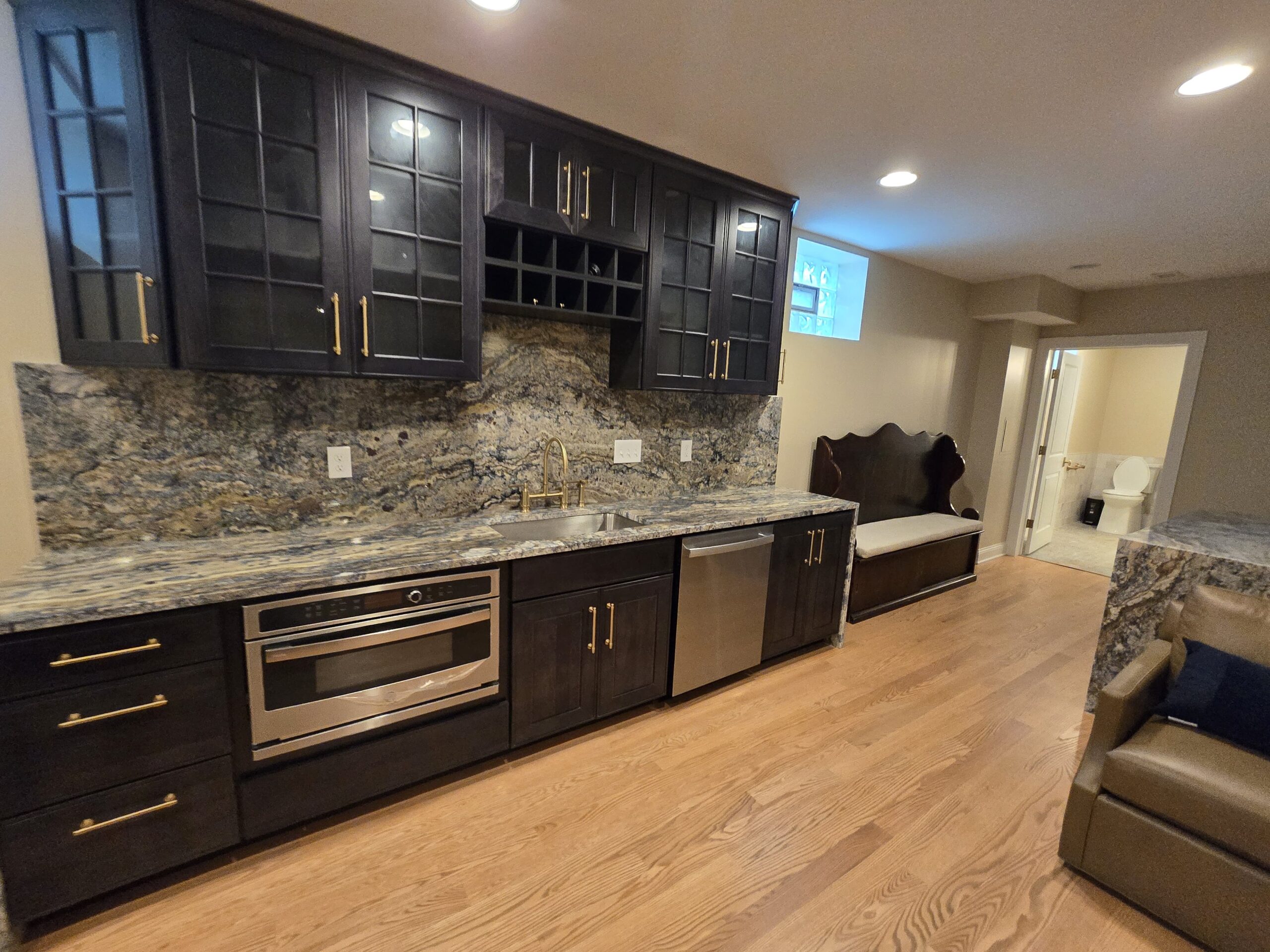
Trim, Doors & Cabinets
Your trim, doors, and cabinets play a major role in defining the character of your home.

Color Change
From single rooms to full-house transformations, we deliver a fresh, vibrant look that enhances your home’s atmosphere
Wall and Ceiling Painting FAQs
How much does it cost to paint walls and ceilings in Columbus Ohio?
Cost depends on the number of rooms, ceiling height, wall condition, and how much prep is needed before paint goes on. A home with clean walls and minor nail holes costs less than one with nail pops on every wall, failed caulk lines, and texture repairs across multiple rooms. We scope everything during your free estimate and include it line by line in the quote so you see exactly what you are paying for. No deposits, no surprise charges. If anything comes up during the project that goes beyond the original scope, we talk through it before adding any cost.
How long does it take to paint the interior of a house?
A single room typically takes one day including prep, prime, and two coats. A full house with multiple rooms, hallways, and ceilings can take anywhere from three days to a full week depending on the condition of the walls and how much repair is needed before paint goes on. We scope the full timeline during your free estimate so you know exactly what to expect before we start.
Do painters move furniture before painting?
Yes. We move furniture to the center of the room or out of the space entirely depending on the layout. Everything gets covered with clean drop cloths. Floors, fixtures, and anything that should not get paint on it gets masked off before we open a can. When the job is done, we put everything back and clean up completely.
Is prep included in an interior painting quote?
At PaintWerks, yes. We scope the full surface prep during your estimate and include it in the quote. Nail holes, caulking, sanding, and priming are part of the job, not a surprise add-on. If we find anything during the project that goes beyond the original scope, we talk through it with you before adding any cost. No deposits, no hidden charges.
What is the difference between flat eggshell satin semi-gloss and gloss paint?
Each sheen has a different reflectivity level and serves a different purpose. Flat has zero shine, hides imperfections well, and works best on ceilings and low-traffic walls. Eggshell has a slight soft sheen, wipes down easily, and is the most popular choice for living rooms, bedrooms, and hallways. Satin has a bit more sheen than eggshell, resists moisture better, and works well on kitchen walls, bathroom walls, and cabinets. Semi-gloss is more reflective, highly scrubbable, and is typically used on trim, doors, and cabinets. Gloss is the most reflective, hardest to apply cleanly, and is usually reserved for accent details and high-end millwork. The higher the sheen, the more durable and washable it is, but the more it shows imperfections in the wall surface underneath.
Should ceilings be painted the same color as walls?
You can, but most of the time you should not. Ceilings reflect light differently than walls. A flat white or off-white ceiling diffuses light evenly across the room and makes the space feel taller and more open. Painting the ceiling the same color as the walls can make a room feel smaller and closed in, especially in darker colors. There are exceptions. Rooms with high or vaulted ceilings sometimes look great with a continuous color. We help you decide what works best for each room based on the ceiling height, natural light, and the wall color you chose.
Do I need to prime walls before painting?
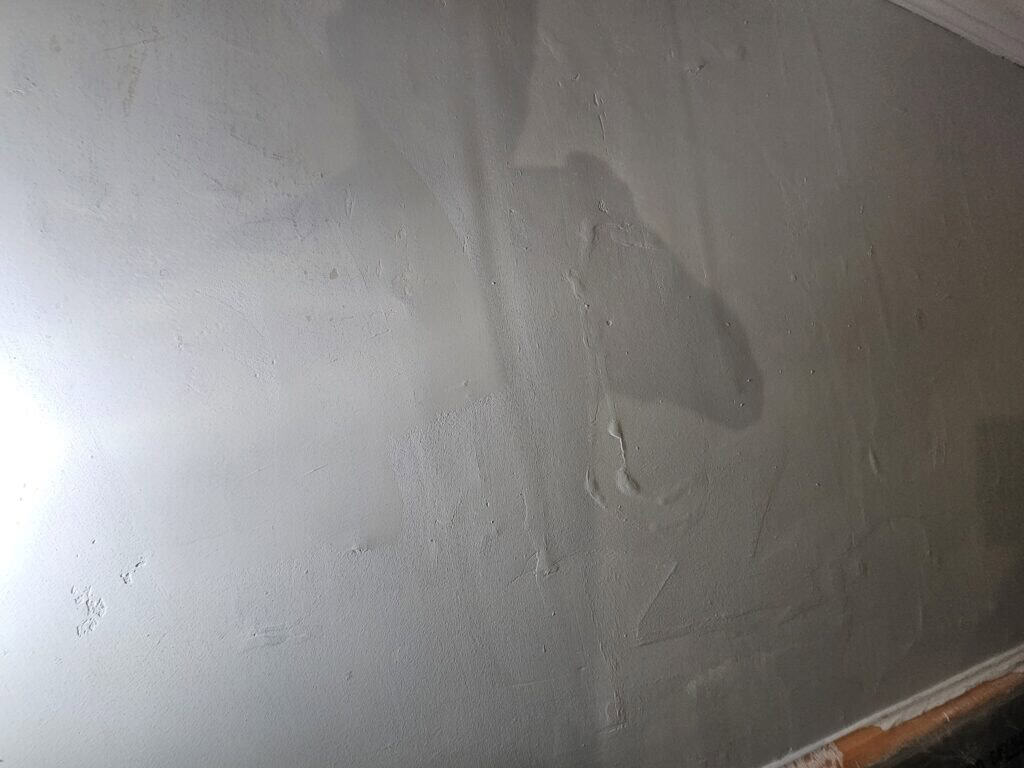
In most cases, yes. Primer seals repaired areas so they absorb paint at the same rate as the rest of the wall. Without it, patched spots show through as dull flat marks called flashing that are visible under any sheen except flat. Primer also gives the topcoat a consistent surface to grip, which means better adhesion and a longer lasting finish. We prime every repaired area at minimum and do a full wall prime when the surface calls for it. Skipping primer is one of the most common reasons wall and ceiling paint fails early.
What is the best paint for kitchen and bathroom walls?
Kitchens need a scrubbable satin or semi-gloss finish that resists grease, steam, and daily contact. We use products that clean up easy and resist yellowing around cooking areas. Bathrooms need mildew-resistant paint with a satin or semi-gloss sheen that holds up against daily steam and humidity. Ceiling paint in bathrooms gets spec'd differently than the rest of the house because flat ceiling paint cannot handle the standing moisture that collects overhead. We match the product and sheen to how each room actually gets used.
How many coats of paint do walls and ceilings need?
Two coats minimum on every wall and ceiling. One coat never covers evenly, especially over repaired areas, color changes, or when going from a dark color to a light one. Each coat gets proper dry time before the next one goes on because rushing dry time causes adhesion issues and peeling down the road. Ceilings get rolled separately from the walls in one direction to prevent lap marks and banding. If the color change is extreme, we add a tinted primer coat first so the finish coats cover true.