
Commercial Painting Columbus Ohio
Licensed General Contractor | Interior & Exterior Commercial Painting | Fully Insured
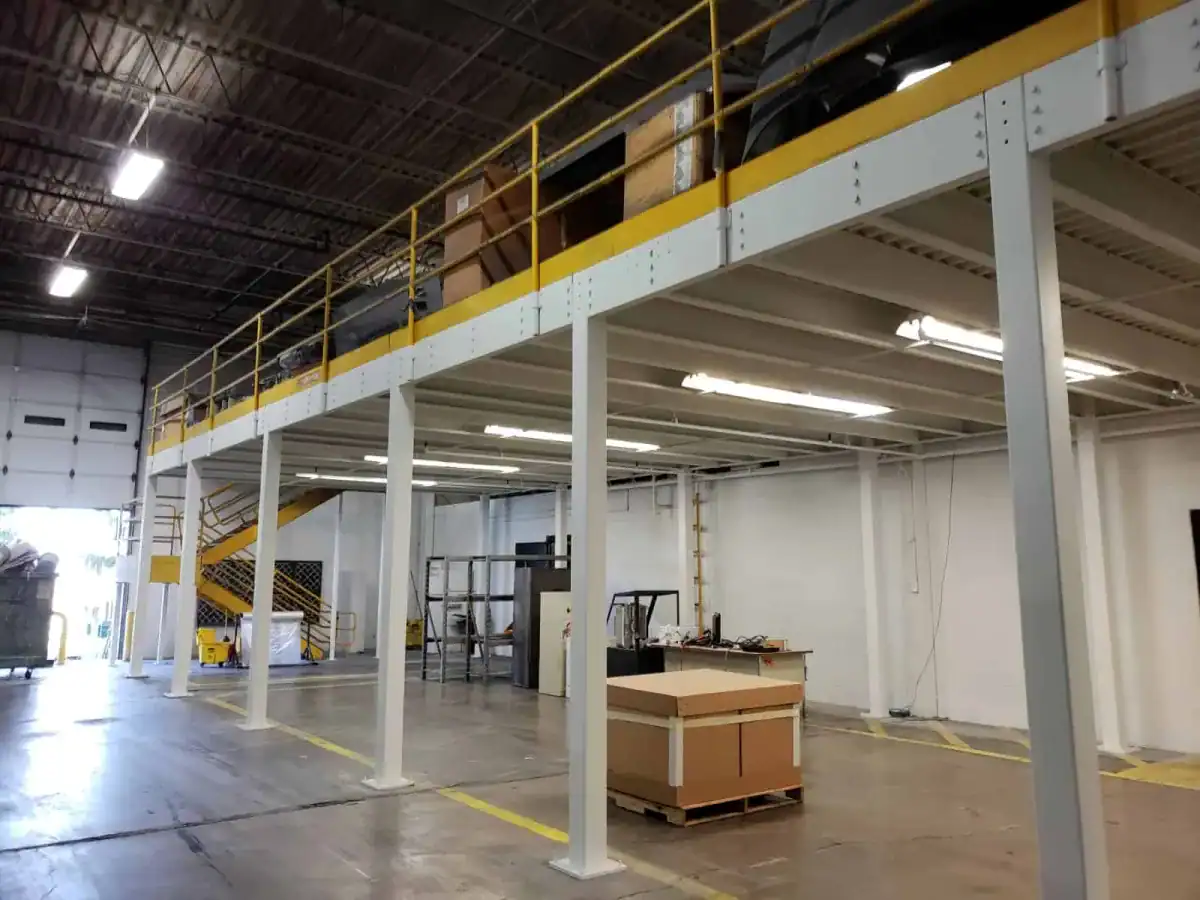
Prep > Paint > Perform
The paint on your building might be doing more work than you think. It’s shielding UV, protecting substrates, resisting moisture, and taking daily abuse from foot traffic, cleaning crews, and the occasional chair or table. Your paint is the most visible surface in your building, a representation of your company to every customer that walks through your door. When it’s done right, you can set it and forget it. When it’s not, it becomes one more problem to manage on top of running your business.
We handle interior and exterior commercial painting across Columbus and Central Ohio. Offices, retail, restaurants, medical, warehouses, industrial. New construction, repaints, tenant improvements, and maintenance programs. Projects from single suites to 330,000 square foot industrial facilities. Commercial work completed for Core Molding Technologies, Target, Kroger, Whole Foods, Aldi, and countless local mom and pop shops. Licensed general contractor, BBB A+ rated since 2016, fully insured with COIs on every project.
Proven at Every Level
We have completed commercial painting for Core Molding Technologies, Target, Kroger, Whole Foods, Aldi, Primrose Schools, and local businesses across Columbus and Central Ohio. Projects range from single-suite refreshes to a 330,000 square foot industrial facility. The experience shows in how we scope the work, phase the schedule, and deliver the finish.
Trade-Level Prep
Our crews carry more than rollers. As a licensed general contractor, we have drywall, framing, and flooring trades in-house. When prep uncovers damaged substrates, rotted trim, or walls that need more than a skim coat, we fix it on site and keep the project moving.
Commercial Painting Services
We handle interior and exterior commercial painting for offices, retail, restaurants, medical facilities, warehouses, and industrial buildings across Columbus and Central Ohio. New construction, repaints, tenant improvements, and scheduled maintenance. Select a service below for details on scope, products, and process.
Commercial Interior Painting
Commercial Exterior Painting
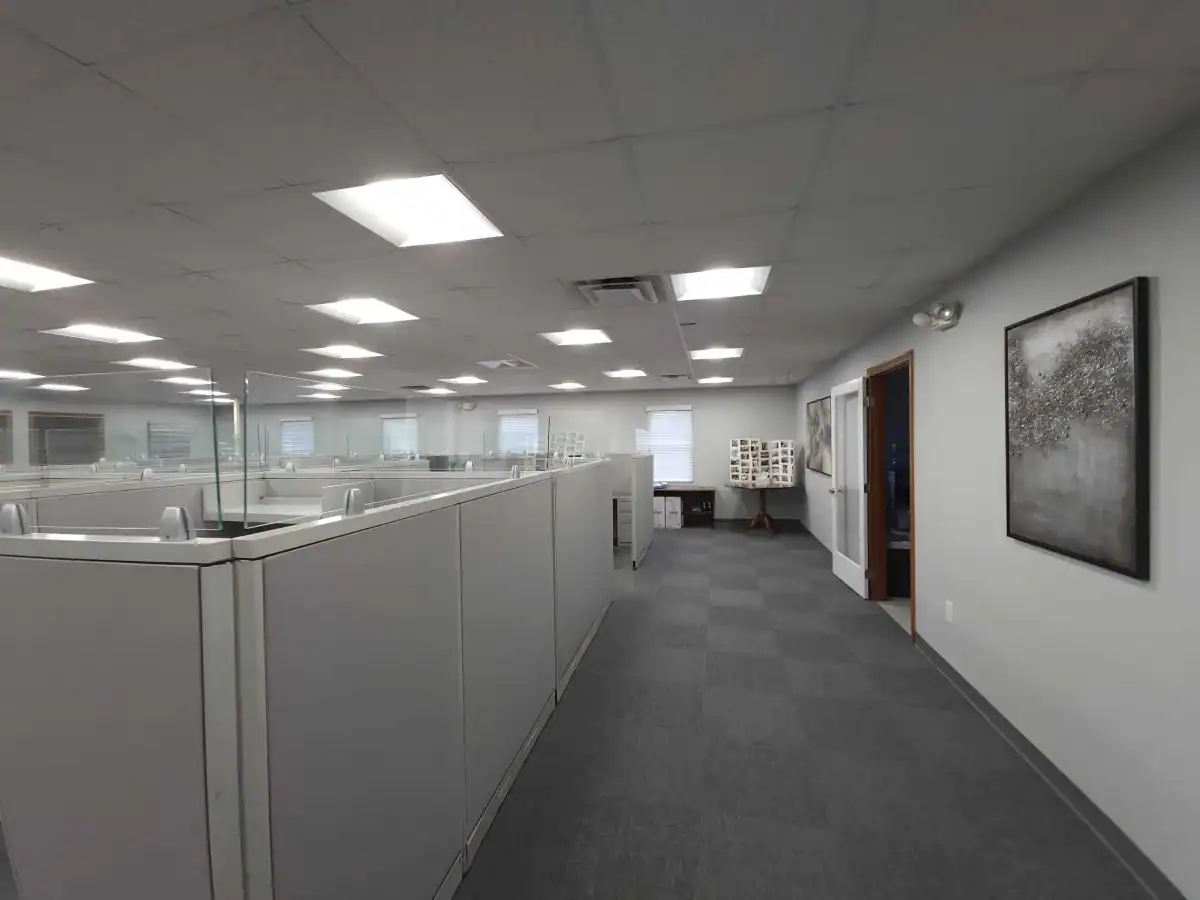
Your Problems, Our Solutions
Open During Business Hours
Your business does not stop for paint. We schedule nights, weekends, and phased work so your operations keep running without interruption. Low-VOC coatings, dust containment, and clean job sites in occupied spaces from start to finish. Whether it is an interior commercial repaint or exterior commercial painting, we build the schedule around your hours, not ours.
Deadlines on Your Time
When the space has to be ready and you are on a tight timeline, we have the tools to help you and your business succeed. Lease dates, move-ins, grand openings, and seasonal sales. Nights, weekends, larger crews. Whatever the deadline requires gets built into the bid along with options for you to select the best path forward.
Prep Beyond Paint
Most commercial paint jobs uncover problems that a painting-only company has to call someone else to fix. Damaged drywall, bad substrates, trim that needs replacing. As a licensed general contractor, we handle the prep work that stops other painters cold while we keep the project moving without rebidding or schedule delays.
One Contract Covers It
Hiring a painter, a drywall crew, and a handyman for one job means three schedules, three invoices, and nobody owning the outcome. We carry the trades under one contract with one point of contact. One call, one crew, one schedule.
Paperwork Prepared
Commercial painting projects often cross into work that requires licensing, permits, and inspections. We carry an active Ohio general contractor license, commercial general liability, and workers comp on every project. COIs delivered within 24 hours of request. BBB A+ rated, bonded, and fully insured.
Our PaintWerks
Products Spec'd, From Experience
We recommend Benjamin Moore Scuff-X on high-traffic commercial walls because it resists the daily abuse that standard paint cannot handle. Stix bonding primer on difficult substrates so the topcoat grabs and holds. High-build block filler on CMU walls with pre-catalyzed epoxy topcoat so the finish does not soak in and look blotchy in six months. Trim gets Cabinet Coat, Benjamin Moore Advance, or Sherwin-Williams Emerald Urethane depending on the application and conditions. Every product is selected for the conditions of your space and intended use. See specific product applications for interior and exterior commercial painting.
Pay Once or Pay Twice
The lowest bid usually means the cheapest product and the least amount of prep. That combination puts you back on the phone with a painter in 12 months asking how to fix a failing paint issue. We spec coatings and prep standards that keep your building looking right for years, not months. Paying for the job once is always cheaper than paying for it twice.
No Surprises on the Invoice
Our bids are broken out by area, coating system, and scope of work. You see exactly what is included before we start. If the scope changes during the project, you hear about it and approve it before the work happens. No vague line items, no invoice that does not match the estimate. That applies whether the project is painting, drywall, flooring, or a full commercial buildout.
Own the Outcome
Every commercial painting project includes a 2-year workmanship warranty. If something we applied is not right, we come back and fix it. We answer the phone after the job the same way we answer it before the bid. That accountability is why property managers and building owners keep our number for the next project.
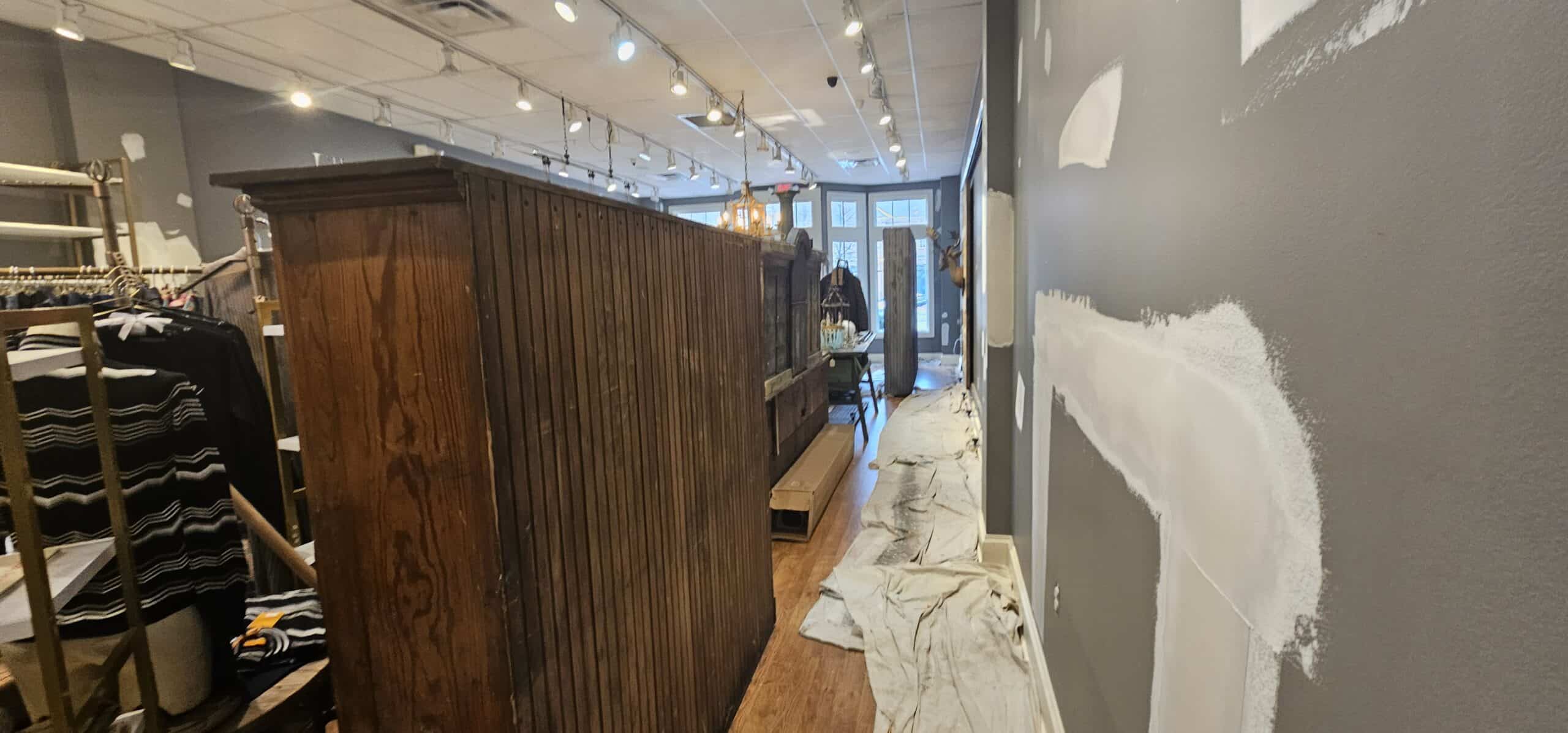
Our Painting Process
Every commercial painting project follows the same four-step process regardless of size. We evaluate the space, prep surfaces, apply coatings, and walk the finished job with you before final payment.
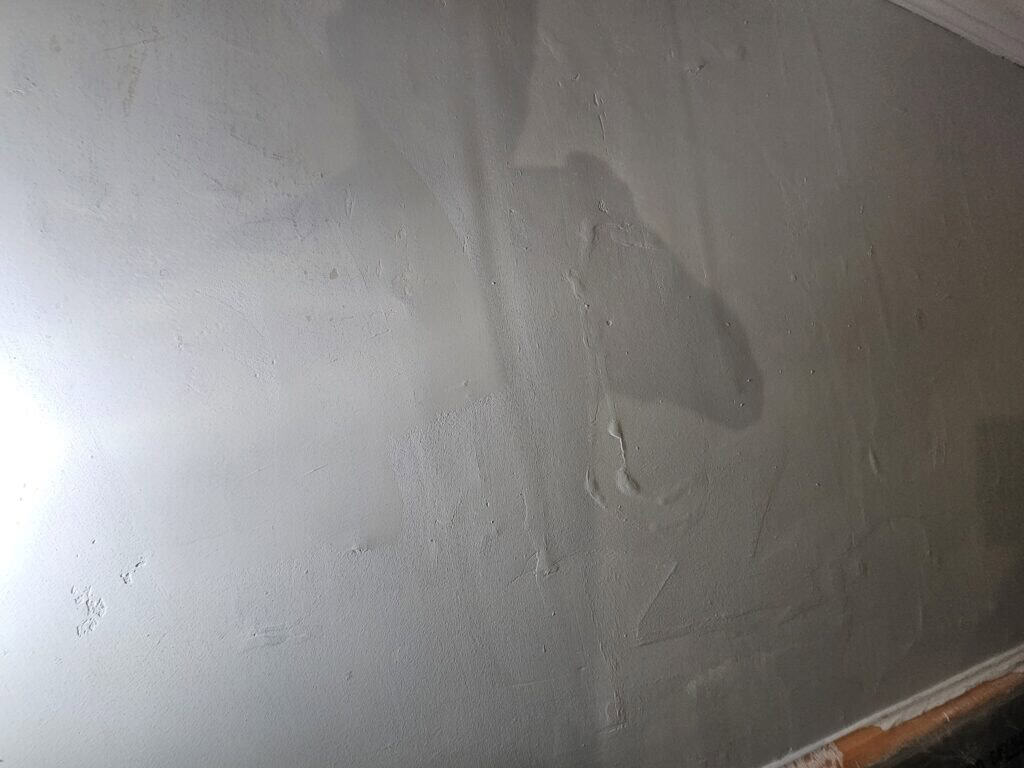
Site Walkthrough and Estimate
We visit the site and inspect every surface included in scope. Existing conditions, substrate type, ceiling height, access points, and scheduling requirements. You get a detailed written estimate broken out by area and coating system with no hidden costs or vague line items.
Surface Preparation
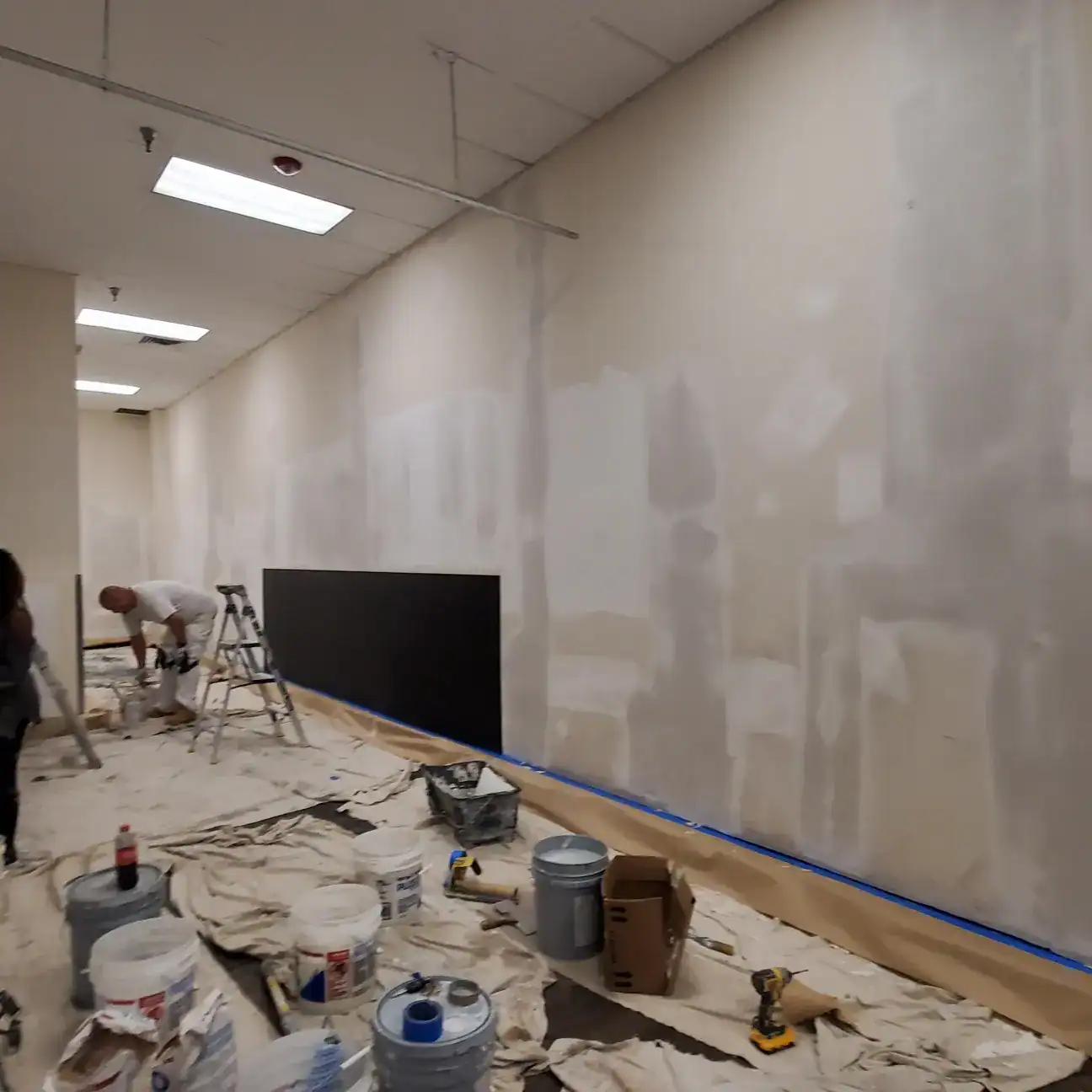
Prep determines how long paint lasts. We clean every surface, repair damaged drywall, fill cracks and holes, sand rough areas, caulk gaps, and prime all bare or repaired substrates. Block walls get high-build filler. Glossy surfaces get Stix bonding primer. Exteriors get pressure washed and scraped to sound material.

Application
Ceilings get sprayed for uniform coverage. Block walls get pre-catalyzed epoxy. Trim gets the appropriate enamel for conditions. Walls get rolled and brushed for even mil thickness and clean lines without overspray in occupied spaces. Each area gets proper dry time between coats and work is phased around business hours.
Final Walkthrough and Punch
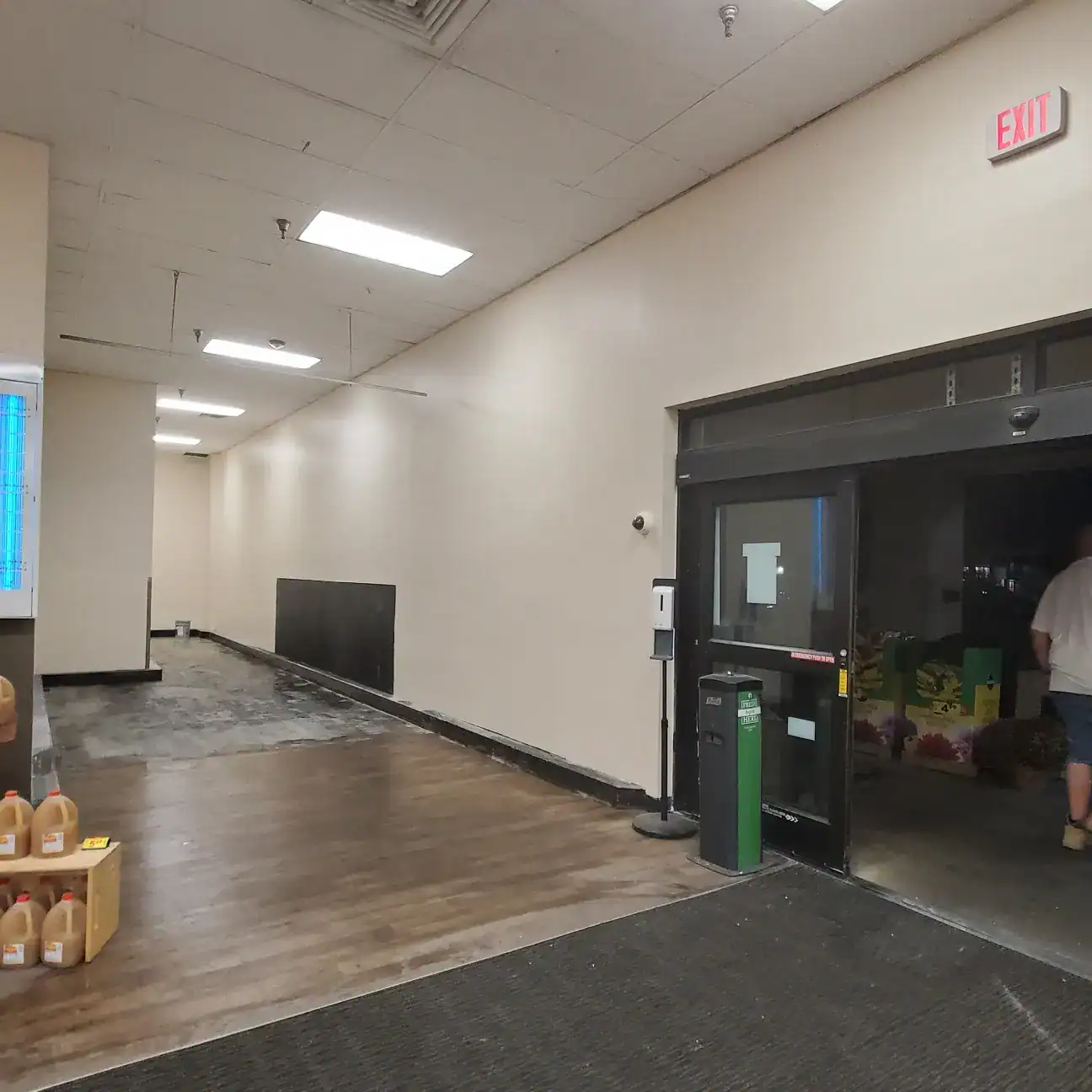
We walk the finished space with you before final payment. Every surface gets checked against the original scope. Touch-ups, cleanup, and any punch list items get handled before we leave. The job is done when you sign off. Every project includes a 2-year workmanship warranty.
What Our Clients Say
We've built our commercial business on referrals and repeat clients. Property managers, business owners, and GCs who've worked with us talk. Our reviews reflect how we treat people, how we run job sites, and how we finish projects.
Commercial Painting FAQ
How much does commercial painting cost per square foot in Columbus?
Commercial painting costs in Columbus typically range from $1.50 to $10.00 per floor square foot depending on space type, substrate condition, number of coats, and whether the project is new construction or a repaint. These are 2026 averages based on real project bids we have completed across Columbus and Central Ohio.
| Space Type | Avg. Cost Per Floor Sq Ft | Typical Scope |
|---|---|---|
| Office / Corporate | $5.00 – $8.00 | Walls, ceilings, trim, low-VOC products, phased around business hours |
| Retail / Restaurant | $3.00 – $6.00 | Walls, ceilings, trim, moisture-resistant coatings in kitchens and restrooms |
| Medical / Healthcare | $6.00 – $10.00 | Zero-VOC products, dust containment, phased around patient schedules, high-durability finishes |
| Warehouse / Industrial | $1.50 – $4.00 | Block filler, pre-catalyzed epoxy, high ceilings, sprayed applications, DTM coatings on metal |
| Exterior | $1.00 – $3.50 | Pressure wash, scrape, prime, two coats, varies by substrate and building height |
Offices cost more per floor square foot because they have more wall area per square foot of floor space. Small rooms, hallways, and partitions increase the paintable surface area. Open warehouses have less wall per floor square foot, which brings the cost down even though the coatings are more specialized. New construction costs less than repaints because surfaces are clean and primed. Repaints require more prep: cleaning, patching, priming stains, and sometimes removing failed coatings. Night and weekend scheduling in occupied buildings adds labor premiums. Schedule a site walkthrough for a detailed bid broken out by area and coating system.
How long does a commercial paint job take?
Most commercial painting projects in Columbus take 3 days to 4 weeks. A single-suite office repaint under 3,000 square feet can be done in 2 to 3 days. Mid-size retail, restaurant, and medical projects typically run 1 to 2 weeks. Warehouse and industrial repaints over 10,000 square feet can take 2 to 4 weeks when phased around production schedules. The biggest timeline factors are prep work and whether the building is occupied. Peeling paint, damaged drywall, and failed coatings add time. Occupied buildings requiring nights, weekends, or phased work extend the schedule further. If you have a deadline, contact us early so we can build the schedule backward from your date.
What is the best paint for commercial buildings?
It depends on the surface and how the space gets used. For high-traffic interior walls, we use Benjamin Moore Scuff-X because it resists scuffing, cleans without damaging the finish, and outlasts standard paint in commercial environments. For substrates that standard primers will not bond to, we use Stix bonding primer. CMU block walls get high-build filler topped with pre-catalyzed epoxy. Commercial trim and doors get Cabinet Coat, Benjamin Moore Advance, or Sherwin-Williams Emerald Urethane depending on the application. Every product is selected for the conditions of your space and intended use, not what is cheapest per gallon. The wrong product on the wrong surface is the number one reason commercial paint jobs fail early.
How often does a commercial building need to be repainted in Ohio?
Interior commercial spaces in Ohio typically need repainting every 5 to 7 years with quality products and proper prep. High-traffic areas like hallways, lobbies, and restrooms may need attention every 3 to 5 years. Private offices and conference rooms can go 7 to 10 years. Exterior commercial buildings in Central Ohio typically need repainting every 7 to 10 years. Ohio's freeze-thaw cycles, summer humidity, and UV exposure are harder on exterior coatings than milder climates. The single biggest factor is what was done the first time. Proper prep, the right primer, and a quality topcoat will last significantly longer than a job where the crew skipped prep and used the cheapest product available. Schedule a walkthrough and we can assess your building's condition and recommend a maintenance schedule.
Can you paint a commercial building while the business stays open?
Yes. The majority of our commercial painting projects in Columbus are completed in occupied buildings. We use low-VOC and zero-VOC coatings for interior spaces with minimal odor and no hazardous fumes. Products like Benjamin Moore Scuff-X and Regal Select are low-VOC and outperform many standard commercial paints. We build a phasing plan around your business hours before work starts. Some projects run nights and weekends. Others are phased suite by suite or floor by floor. Dust containment, floor protection, and workspace cleanup happen every shift. For exterior work on occupied buildings, we coordinate scaffold and lift placement around entrances, parking, and signage so customers can still access the building. One point of contact manages the schedule from start to finish.
Is commercial painting a capital improvement or a business expense?
It depends on the scope. A repaint of an existing space using the same or similar finish is typically treated as a repair and maintenance expense, fully deductible in the year incurred. If the painting is part of a larger renovation that improves or adapts the building, such as a tenant buildout or full remodel, the costs may be classified as a capital improvement and depreciated over 15 to 39 years under IRS guidelines. We are not accountants and recommend consulting your CPA for your specific situation. What we can do is provide a detailed written bid broken out by trade and scope so your accountant has the documentation needed to classify the work correctly.
What is the difference between commercial and residential painting?
Products, scheduling, and scale. Commercial walls take daily abuse from carts, furniture, cleaning crews, and hundreds of people. That is why we use Benjamin Moore Scuff-X on commercial walls, pre-catalyzed epoxy on block, and Cabinet Coat or Emerald Urethane on trim. These products cost more per gallon but last significantly longer under commercial conditions. Scheduling is the other major difference. Commercial work often runs nights, weekends, or in phases around tenants, patients, and production schedules. Occupied building logistics, dust containment, and low-VOC requirements add complexity residential work does not require. Commercial projects also require COIs, licensing documentation, and proof of insurance. As a licensed general contractor, we carry commercial general liability, workers comp, and provide COIs on every project.
What is the difference between a commercial painter and a general contractor who paints?
A commercial painter handles one trade: paint. If they find damaged drywall, rotted trim, or a substrate problem, the job stops. They call someone else or tell you to handle it. That means another contractor, another bid, another schedule, and a gap in accountability. A general contractor who paints carries the trades to fix what they find. When we discover water damage, we fix the framing, replace the drywall, and paint it under the same contract. One contractor, one schedule, one point of accountability. That is the difference property managers notice on the first project and the reason they call us back.