Commercial Drop Ceiling & Acoustic Ceiling Tile Installation in Columbus
Licensed General Contractor | Commercial & Tenant Buildouts | Fully Insured
Grid Up. Tiles Done.
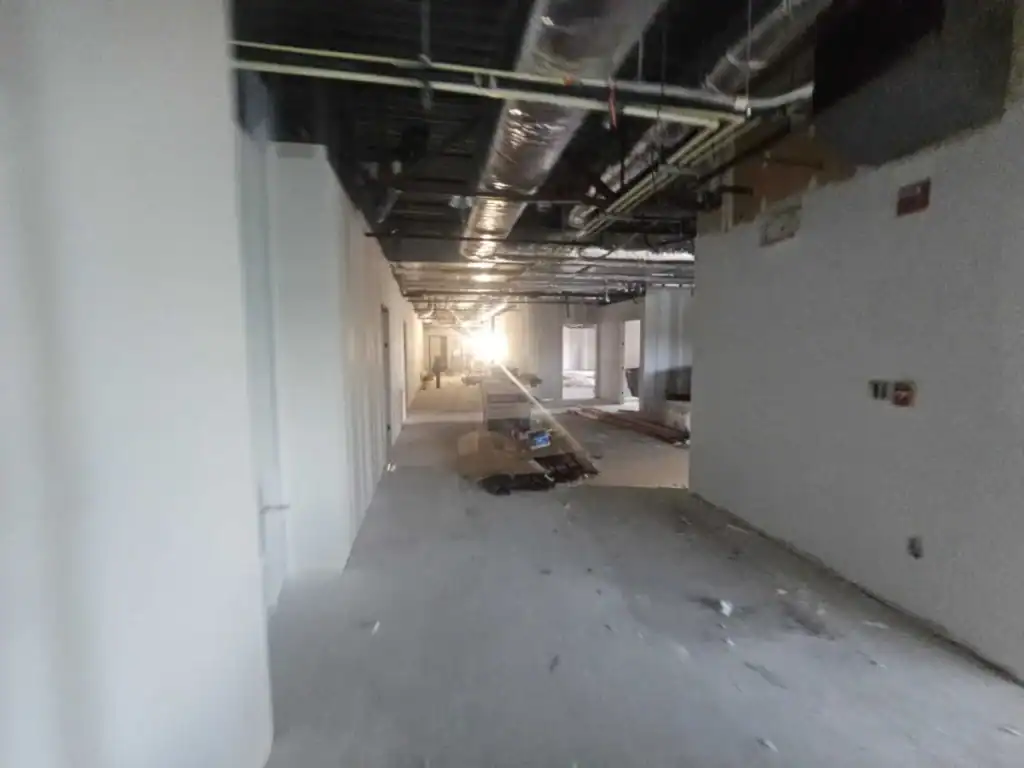
Your MEP is done. Your space is sitting idle. Every day waiting is lost revenue. PaintWerks gets on site fast once the rough-in is complete and we close the ceiling so your buildout keeps moving. We coordinate directly with your electrical, HVAC, and fire protection trades so there are no scheduling gaps between inspections and grid.
Paintwerks is a licensed general contractor based in Lewis Center, serving Columbus and Central Ohio since 2016. We install, repair, and replace ACT ceiling tile systems and suspended grid systems for offices, retail spaces, medical facilities, restaurants, and industrial buildings. From basic 2×2 and 2×4 ACT tiles to specialty panels and custom architectural ceilings, we handle the complete ceiling package, and full compliance with local building codes so your space looks professional and performs the way it should..Fully insured with COIs available on request.
Licensed General Contractor
We know commercial construction. We understand sequencing, timelines, and what has to happen before grid goes up so your buildout keeps moving and the ceiling closes on schedule.
Fewer Crews. Faster Buildout.
Drop ceilings rarely come alone. If your buildout needs framing, drywall, or painting alongside the ACT work, PaintWerks handles all of it under one contractor. Fewer crews to coordinate, fewer schedules to manage, and one point of contact from rough-in to final walkthrough.
ACT. Built for Commercial.
Offices & Corporate
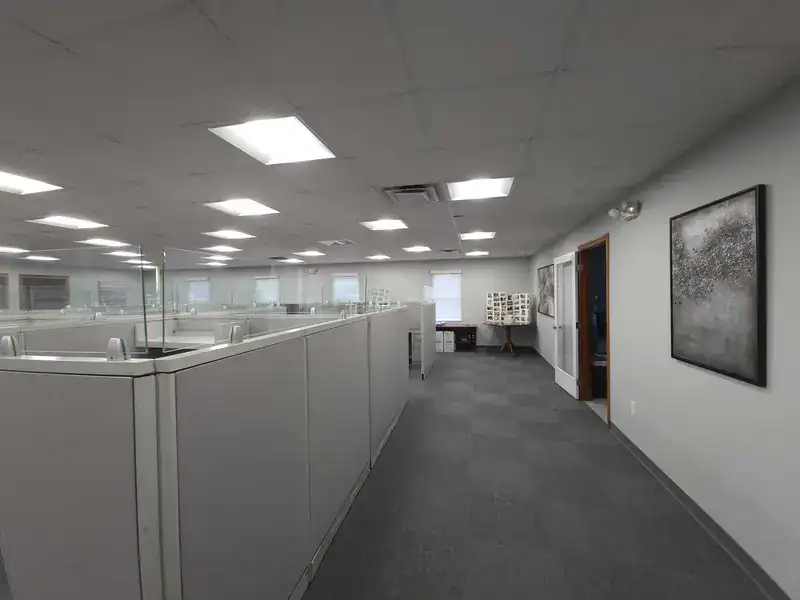
Conference rooms, open-plan areas, private offices, and lobbies. We install 2x2 and 2x4 grid systems with standard and tegular tile profiles, coordinate around furniture and equipment, and work after hours on occupied floors.
Medical & Healthcare
Exam rooms, waiting areas, and corridors. We install washable and antimicrobial tile options appropriate for healthcare environments and coordinate access around patient scheduling.
Retail & Restaurant
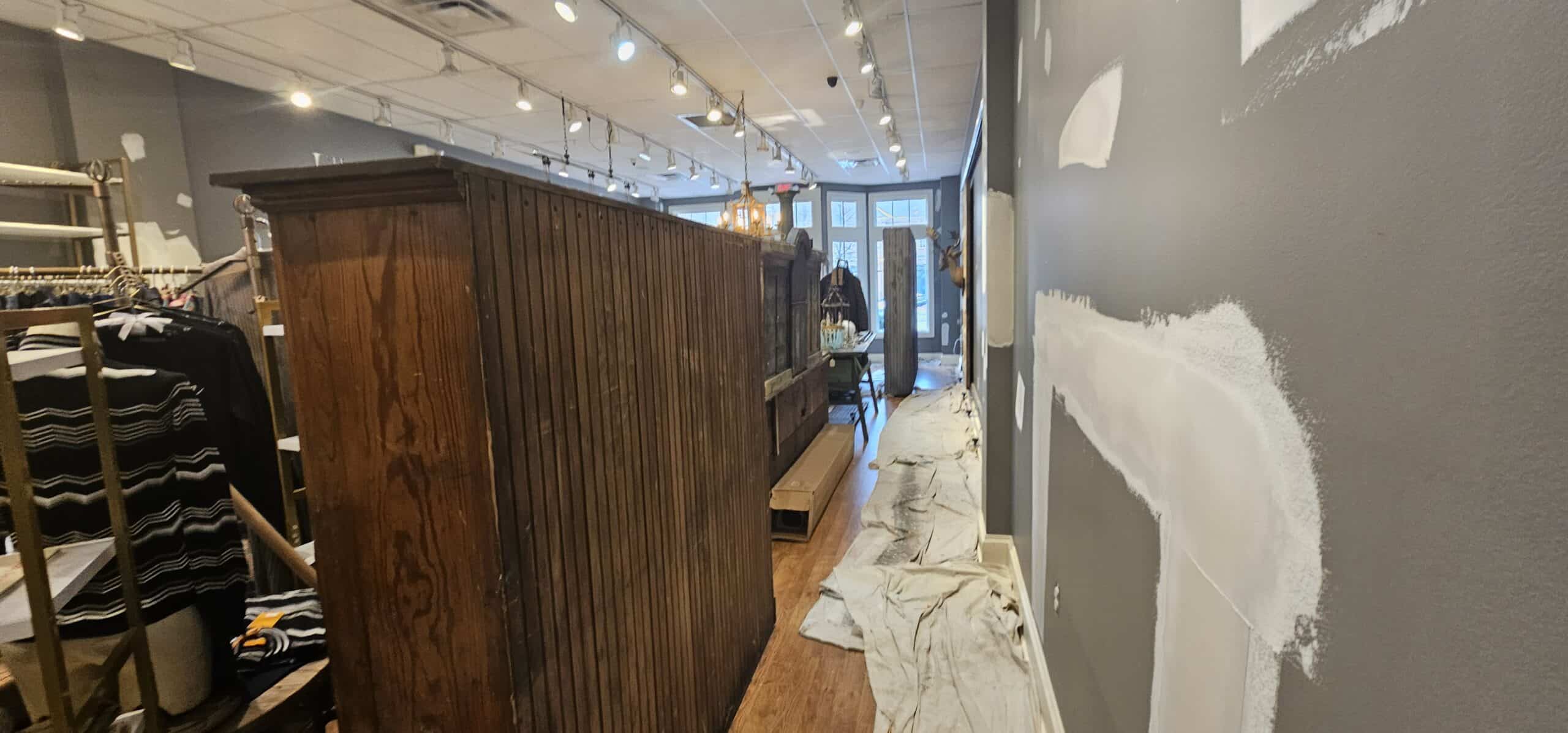
Sales floors, dining rooms, and back-of-house areas. We have completed full ceiling buildouts at Easton Town Center and work with national brands who need consistent results across multiple locations. Moisture-resistant tile options available for high-humidity food service environments.
Industrial & Warehouse
Office areas inside manufacturing and distribution facilities. Suspended grid systems accommodating HVAC, lighting, and sprinkler penetrations. We have completed ceiling work inside active production facilities including a 330,000 square foot plant in Hilliard alongside our commercial painting work.
Beyond the Grid.
Already On Site
A standalone ceiling crew shows up when the grid is ready and moves on. PaintWerks is already on site. As a licensed Ohio general contractor we handle metal stud framing, commercial drywall, ACT ceilings, flooring, and painting under one roof. We are not a sub getting called in at the end. We are the contractor managing the sequence.
Sequencing Without the Gaps
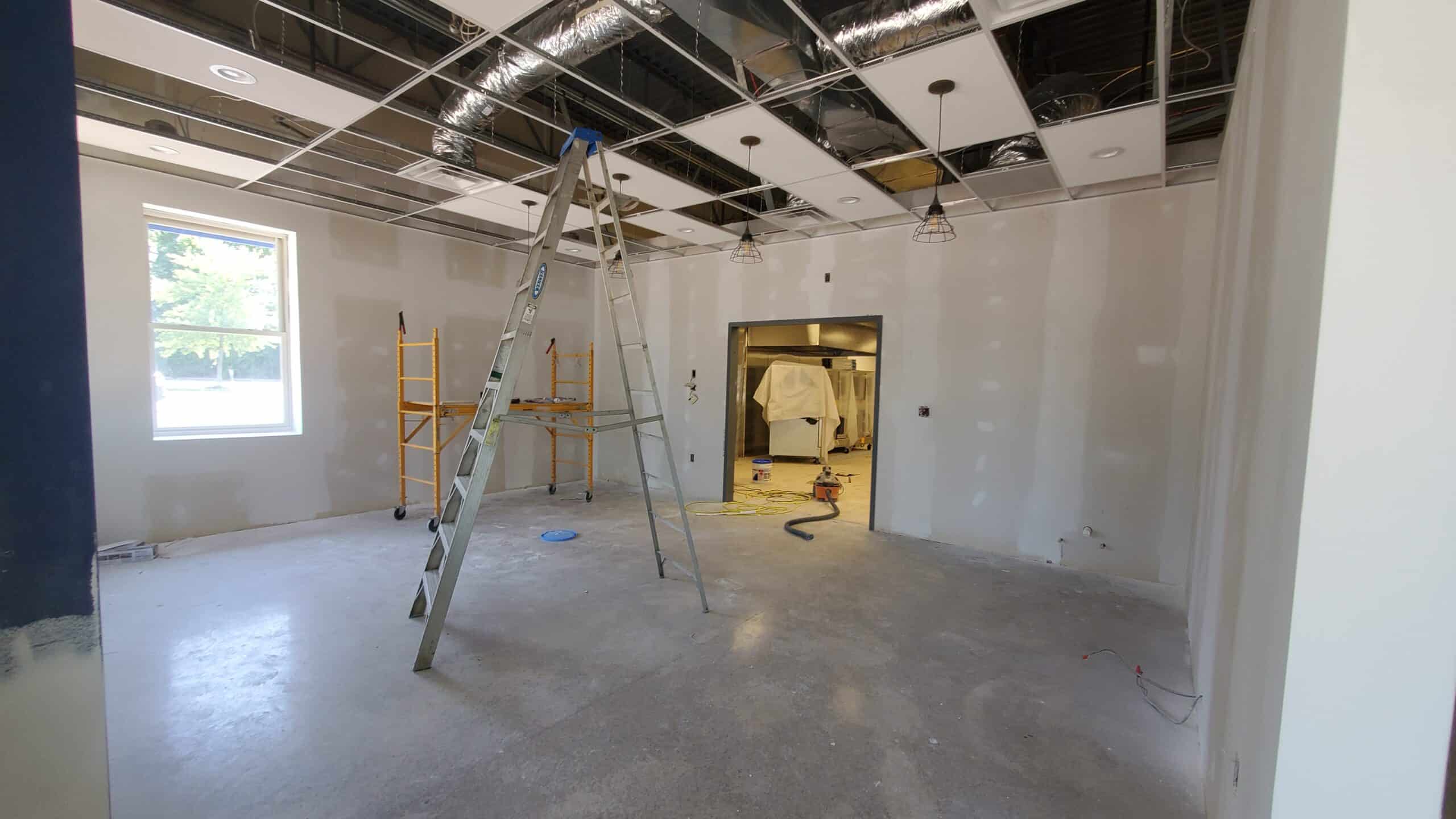
The grid cannot go up until MEP rough-ins pass inspection. Tiles cannot go in until drywall is done and paint is on the walls. When you have separate contractors for each trade, every phase is a handoff and every handoff is a delay. When PaintWerks handles framing, drywall, and ceiling under the same contract, the phases connect because one contractor owns all of them.
Scope Changes Welcome
Half our ACT jobs pick up additional scope once we are on site. The back office needs commercial painting. The conference room needs LVP flooring before the ceiling goes in. We are already there and already familiar with the space. One call and we adjust. No re-bidding, no new contractor who has never seen the building.
Our ACT Ceiling Installation Process
Drop ceilings look simple but getting them right takes planning. The grid has to be level, the layout has to work around lights and diffusers, and everything has to line up clean. Here is how we approach it.

Layout & Coordination
Before anything goes up, we figure out what's coming down. We walk the space, confirm ceiling height, and map out where lights, HVAC diffusers, sprinkler heads, and access panels need to land. Then we plan the grid layout so border tiles are balanced and nothing ends up with awkward slivers at the walls. If we are working alongside other trades, we coordinate timing so nobody is in each other's way.
Grid Installation
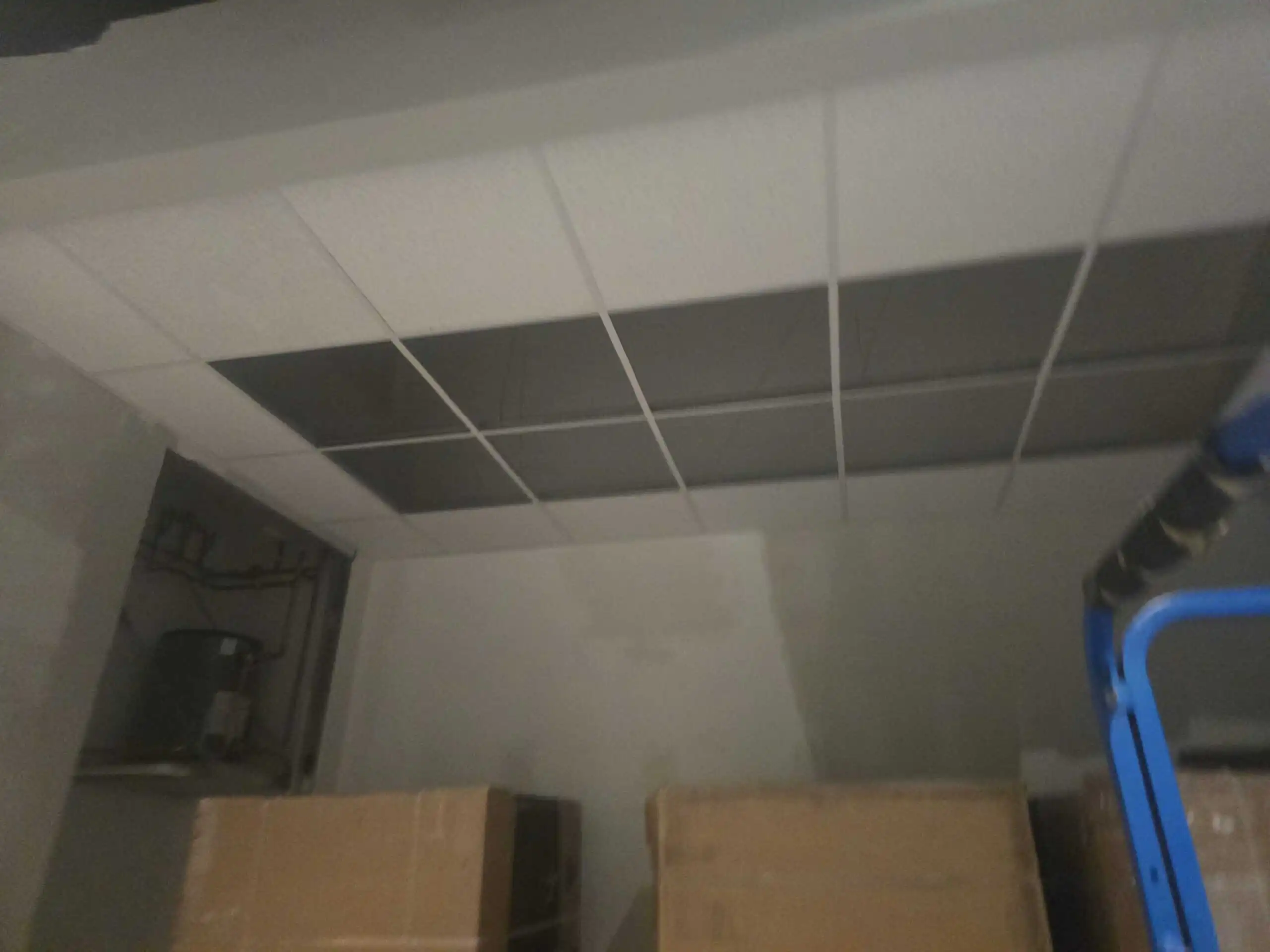
We start by snapping a level line around the room and installing wall angle. That is the foundation — if it is off, everything else is off. Main runners go up next, hung with wire at the right spacing. Cross tees lock in to complete the grid. We check level constantly and adjust as we go. By the time we are done, you have a grid that is straight, square, and ready for tile.

Tile & Finish
Once the grid is set, tiles go in. We cut clean around lights, diffusers, and any penetrations. Border tiles get measured and cut individually so they fit tight to the wall angle. We do a final check to make sure all cuts look sharp, everything sits flat, and no tiles need adjusting.
Related Commercial Services
We offer a full range of commercial services beyond ACT ceilings. From drywall and framing to painting and general contracting, we can handle your entire buildout.

Commercial Drywall & Framing
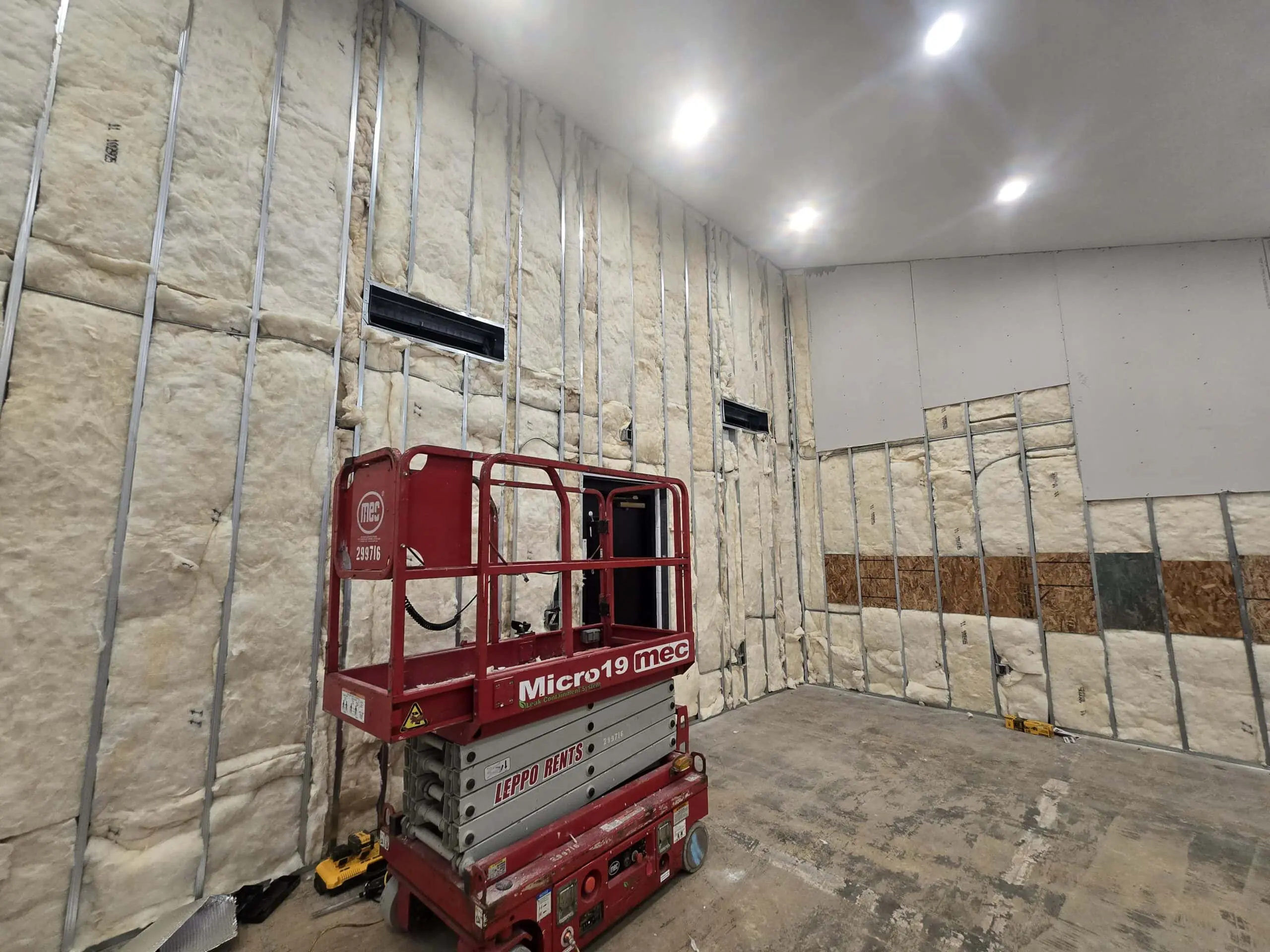
Metal stud framing, drywall hanging, taping, and finishing for commercial buildouts, tenant improvements, and renovations. From single-office additions to full retail shells at Easton Town Center.
Commercial Painting Columbus
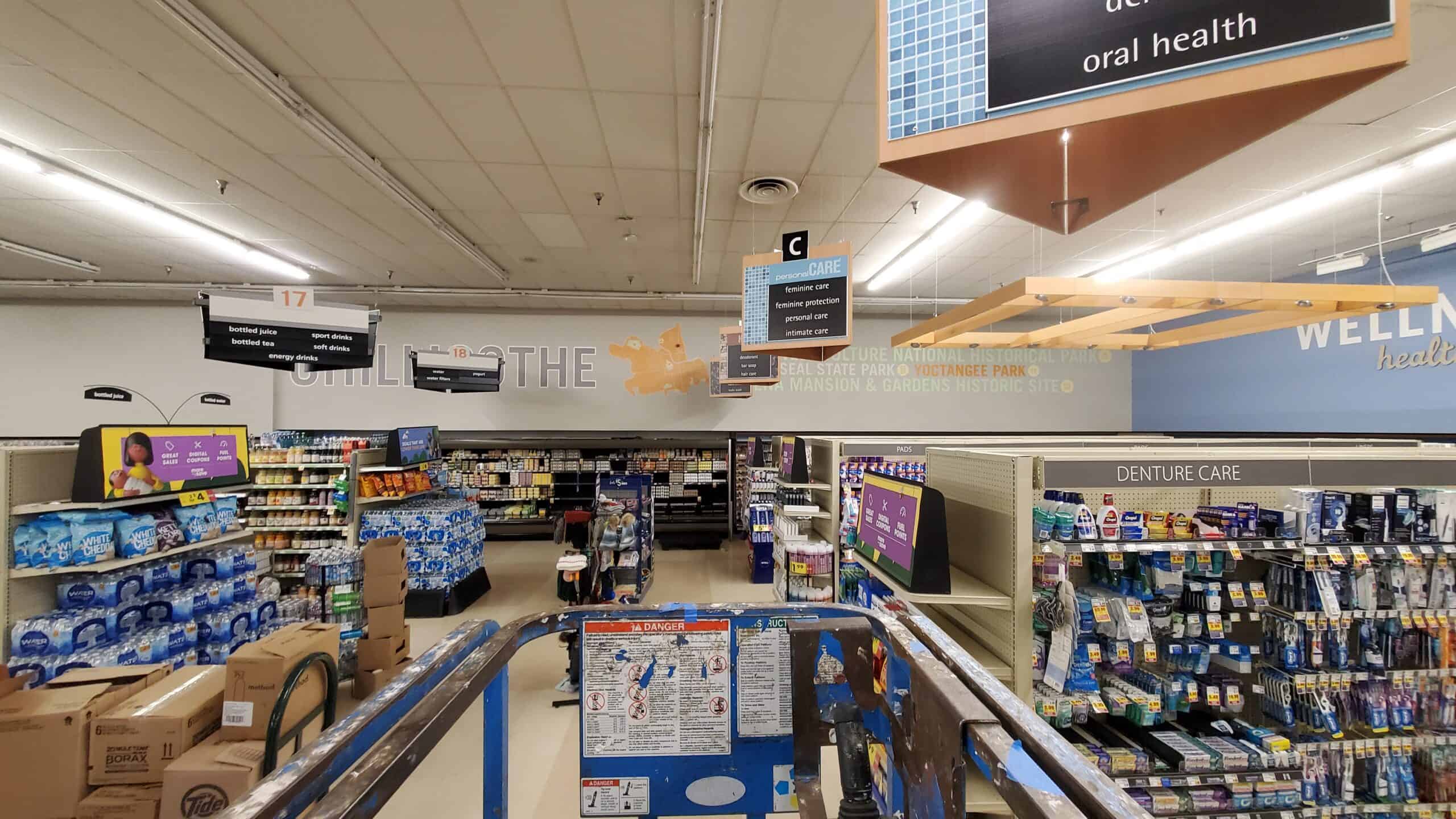
Interior and exterior painting for offices, retail, restaurants, warehouses, and industrial facilities across Columbus and Central Ohio. Nights, weekends, and phased scheduling available.
Commercial General Contractor
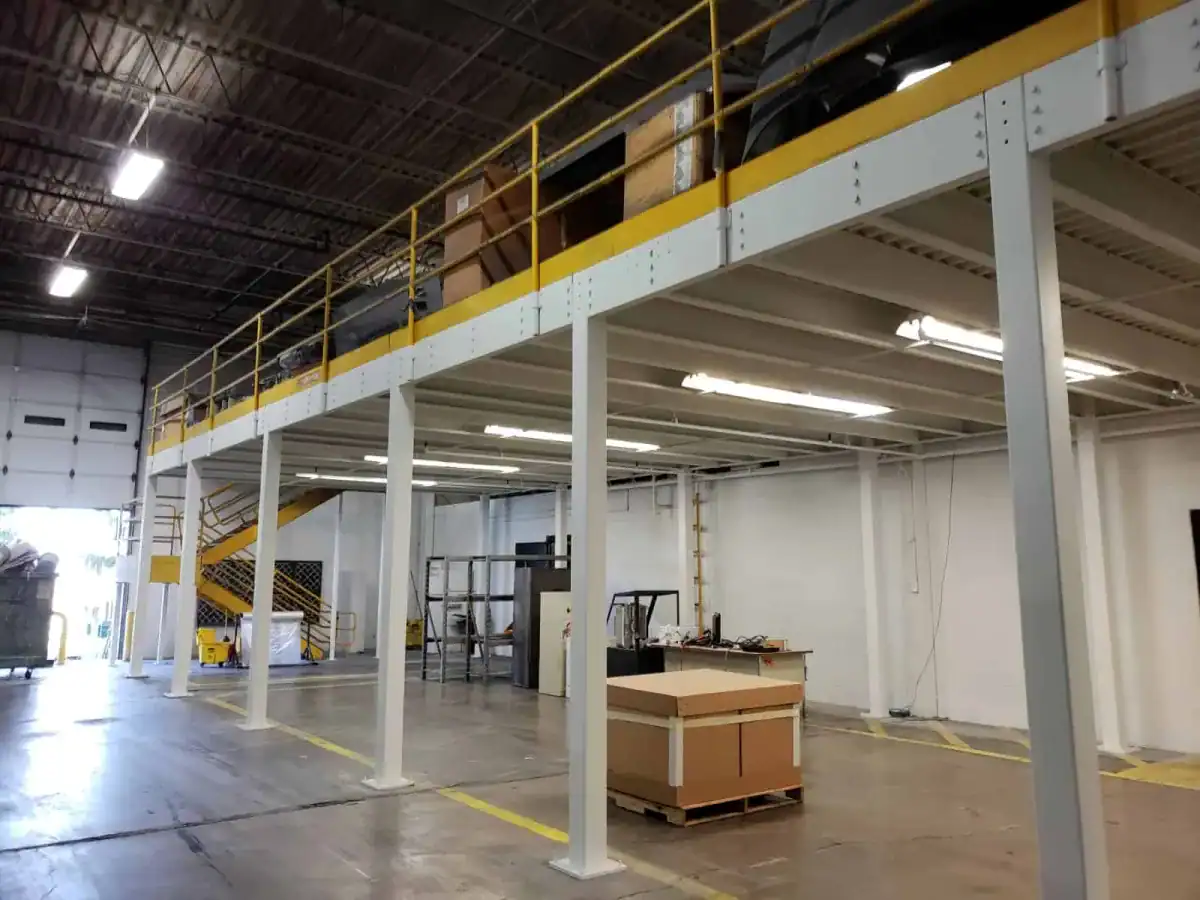
Full-scope commercial buildouts and tenant improvements across Columbus and Central Ohio. Framing, drywall, ceilings, flooring, tile, and paint under one roof. One contractor, one schedule.

Commercial Drywall Finishing
All levels of commercial drywall finishing from basic fire tape to Level 5 smooth. Knockdown, orange peel, skip trowel, skim coat, and repairs. We match the finish to the space so it holds up under any lighting.
ACT Ceiling Installation FAQs
How much does commercial drop ceiling installation cost in Columbus?
Commercial ACT ceiling installation in Columbus typically ranges from $4 to $12 per square foot depending on space type, tile material, and project complexity. These are 2026 averages based on real project bids we have completed across Columbus and Central Ohio.
| Space Type | Avg. Cost Per Sq Ft | Typical Scope |
|---|---|---|
| Office / Corporate | $6.00 – $10.00 | Standard grid, 2x2 or 2x4 tile, coordination around lights and HVAC diffusers |
| Retail / Restaurant | $5.00 – $9.00 | Moisture-resistant tile options, coordination around lighting and HVAC |
| Medical / Healthcare | $8.00 – $12.00 | Washable or antimicrobial tile, tight scheduling around patient access, dust containment |
| Warehouse / Industrial | $4.00 – $7.00 | Office areas within facilities, standard grid, coordination with MEP trades |
| Tile Replacement Only | $2.00 – $5.00 | Existing grid reused, damaged or stained tiles swapped out |
Specialty tiles — antimicrobial, moisture-resistant, fire-rated, or tegular edge — cost more per tile than standard mineral fiber. Spaces with heavy MEP penetrations, irregular layouts, or active sprinkler systems take more time and add to the labor total. As part of a larger commercial buildout, ceiling work is often bundled with drywall and framing under one contract. Contact us for a site walkthrough and detailed written estimate.
What is the difference between a drop ceiling, ACT ceiling, and suspended ceiling?
They are all the same thing — just different names used by different trades and regions. A drop ceiling, suspended ceiling, acoustic ceiling tile (ACT), T-bar ceiling, and grid ceiling all refer to a secondary ceiling system that hangs below the structural ceiling on a metal grid. The grid is made up of main runners, cross tees, and wall angle. Tiles drop into the grid from above. The most common tile sizes are 2x2 and 2x4.
ACT is the term most commonly used in commercial construction. Drop ceiling is more common in residential. Suspended ceiling is used in specs and architectural drawings. If you are getting bids from contractors and they are using different terms, they are describing the same system. What matters is the tile material, tile edge profile, grid size, and how the system coordinates with the lights, HVAC, and sprinklers in your space.
How long does commercial drop ceiling installation take?
Most commercial ACT ceiling projects take 1 to 5 days depending on square footage, layout complexity, and how many penetrations need to be worked around. A straightforward 1,000 square foot office with a standard grid and minimal HVAC can be done in 1 to 2 days. A 5,000 square foot space with irregular layouts, heavy mechanical penetrations, and active sprinkler heads can take 4 to 5 days. Tile replacement in an existing grid is faster — most spaces under 2,000 square feet can be completed in a single day. If the ceiling is part of a larger tenant buildout, timeline depends on where ceiling work falls in the trade sequence. The grid cannot go up until MEP rough-ins are inspected and cleared. Contact us early if you have a move-in or lease date driving the schedule.
Do I need a permit for drop ceiling installation in Columbus?
It depends on the scope. Replacing existing ACT tiles in an existing grid generally does not require a permit. Installing a new grid system in a commercial space — especially one that involves relocating lights, HVAC diffusers, or sprinkler heads — typically does require a permit and inspection through the City of Columbus Building and Zoning Services or the relevant municipality. If the ceiling work is part of a larger tenant improvement or renovation, the permit usually covers the full scope of work. As a licensed Ohio general contractor, we pull permits, coordinate inspections, and handle the documentation so you do not have to manage it. If you are unsure whether your project requires a permit, we can assess that during the estimate.
Can you replace individual ACT tiles without replacing the whole grid?
Yes, in most cases. If the existing grid is straight, level, and structurally sound, individual tiles can be swapped out without touching the grid at all. Tiles simply lift out and drop back in. The most common reasons for tile replacement are water stains, sag, mold, damage from ceiling access, or discontinued tile patterns that need to be matched. The challenge with partial replacement is matching existing tiles — especially older Armstrong or USG patterns that may be discontinued. If we cannot source a match, we can replace the full ceiling in the affected area or recommend a complementary tile that reads consistently across the grid. If the grid itself is damaged, bent, or out of level, replacement tiles will not sit correctly and the grid needs attention first.
What ceiling tile is best for medical offices and healthcare facilities?
Healthcare environments require tiles that can handle regular cleaning with disinfectants without degrading. The right tile depends on the specific space. Exam rooms and procedure areas typically use washable or scrubbable tiles rated for wet cleaning — Armstrong's CleanAssure and Ultima lines are common in these applications. Waiting areas and corridors can use standard high-NRC acoustic tile since cleaning requirements are less intensive. Restrooms and any space with high humidity need moisture-resistant tile to prevent sag and mold. The difference between a 2x2 and 2x4 layout in healthcare is mostly aesthetic, though 2x2 grids allow more flexibility around ceiling-mounted equipment and access panels. Tile selection for healthcare also depends on infection control requirements and whether the space is in an active patient care area. We scope tile selection as part of the estimate and coordinate scheduling around patient access.
How do drop ceilings work with fire sprinkler systems?
Drop ceilings and fire sprinkler systems need to be coordinated carefully. Standard ACT tiles block sprinkler coverage if the sprinkler heads are above the grid — which is why commercial drop ceiling installations that include active sprinkler systems require drop-out tiles (also called melt-away or heat-sensitive tiles) positioned directly below each sprinkler head. These tiles are designed to fall out at temperatures above 135 degrees Fahrenheit, allowing the sprinkler to activate through the ceiling. Drop-out tiles are typically required by code in commercial spaces and look identical to standard tiles. During layout planning, we map every sprinkler head location and position drop-out tiles accordingly. If sprinkler heads need to be repositioned to align with the grid layout, that work is coordinated with a licensed fire suppression contractor. We handle the ceiling side and coordinate timing with the sprinkler trade.
Can you install a drop ceiling while a business is open?
Yes. Most of our commercial ceiling work is completed in occupied buildings. We schedule around business hours, use dust containment barriers, and keep the work area clean between shifts. Ceiling installation is low-odor work with no chemical fumes, so it is compatible with occupied spaces as long as the area can be sectioned off during installation. If the space cannot be taken offline during business hours, we phase the work by section or schedule nights and weekends. One point of contact manages the schedule from start to finish.
Can you paint ACT ceiling tiles?
Yes, with conditions. Standard mineral fiber tile absorbs paint and can sag if over-applied. Thin, even coats with a low-nap roller and the right flat latex ceiling paint will cover staining or change the color without damaging the tile. Spray application works for full ceiling repaints when the grid and room can be properly masked. Painting ACT tiles is a cost-effective alternative to full tile replacement when the grid is in good condition and the tile is structurally sound. If the tile is stained from water damage, painting without treating the source and priming with a stain blocker first means the stain bleeds back through. Our commercial painting team handles ACT repaints alongside ceiling installation work on the same project.