Medical Facility Painting Columbus Ohio

Licensed General Contractor | HIPAA-Aware Vendor | ICRA-Compliant Workflow | Fully Insured

Commercial drywall repair and framing Columbus Ohio

Painted Around the Patient

A medical facility does not stop for paint. Patients still come in for an 8 AM blood draw. An infusion chair stays warm for six hours. An operating room turns over between cases. The painting itself is straightforward. What goes wrong is the schedule, the containment, the wrong VOC spec on an occupied wing and a vendor who walks past a soiled utility door without permission.

PaintWerks is a licensed Ohio general contractor and commercial painting company painting medical office buildings, clinics, urgent care, imaging suites and hospital outpatient facilities across Columbus, Dublin, Westerville, New Albany, Powell and Central Ohio. We run an infection control risk assessment on every clinical zone before we mobilize, spec antimicrobial and zero-VOC coatings on patient-facing walls, brief HIPAA-aware crews before they badge in and schedule the loud work for the hours the patient zone is closed. Same occupied-building playbook we run on senior living and healthcare painting. BBB A+ rated, family owned since 2016, fully insured, COIs in your inbox inside 24 hours.

ICRA-Compliant Workflow

Every clinical paint scope runs to a written infection control risk assessment. We sit with the facility manager and the infection prevention nurse before we mobilize, classify each work area against the patient population on the other side of the wall and put the containment plan in the construction file. ICRA Class I and II areas get dust mitigation, walk-off mats and sealed access. Class III adds negative pressure and HEPA air scrubbers. Class IV brings full anteroom containment for any work near oncology, OR or immunocompromised patient zones. The plan goes in your records before the first drop cloth comes out.

One Licensed GC for the Whole Facility

Walls, ceilings, door frames, casework, soffits, the entry canopy and the exterior. Drywall patches in a treatment room. A new corner bead in the corridor. A gurney-damaged door casing. All of it runs under one licensed Ohio general contractor ticket. No second trade, no second COI, no second walkthrough.

jobsite photo from paintwerks painting crew

From the Waiting Room to the OR

Exam Rooms and Treatment Rooms

A standard exam room turn is a one-day job. Patches, prime and two coats of a hospital-grade waterborne enamel that holds up to daily wipedown with quat and bleach cleaners. Fast-cure trim on the door frame and casework so the room is back in service inside one shift change.

Waiting Rooms, Reception and Common Corridors

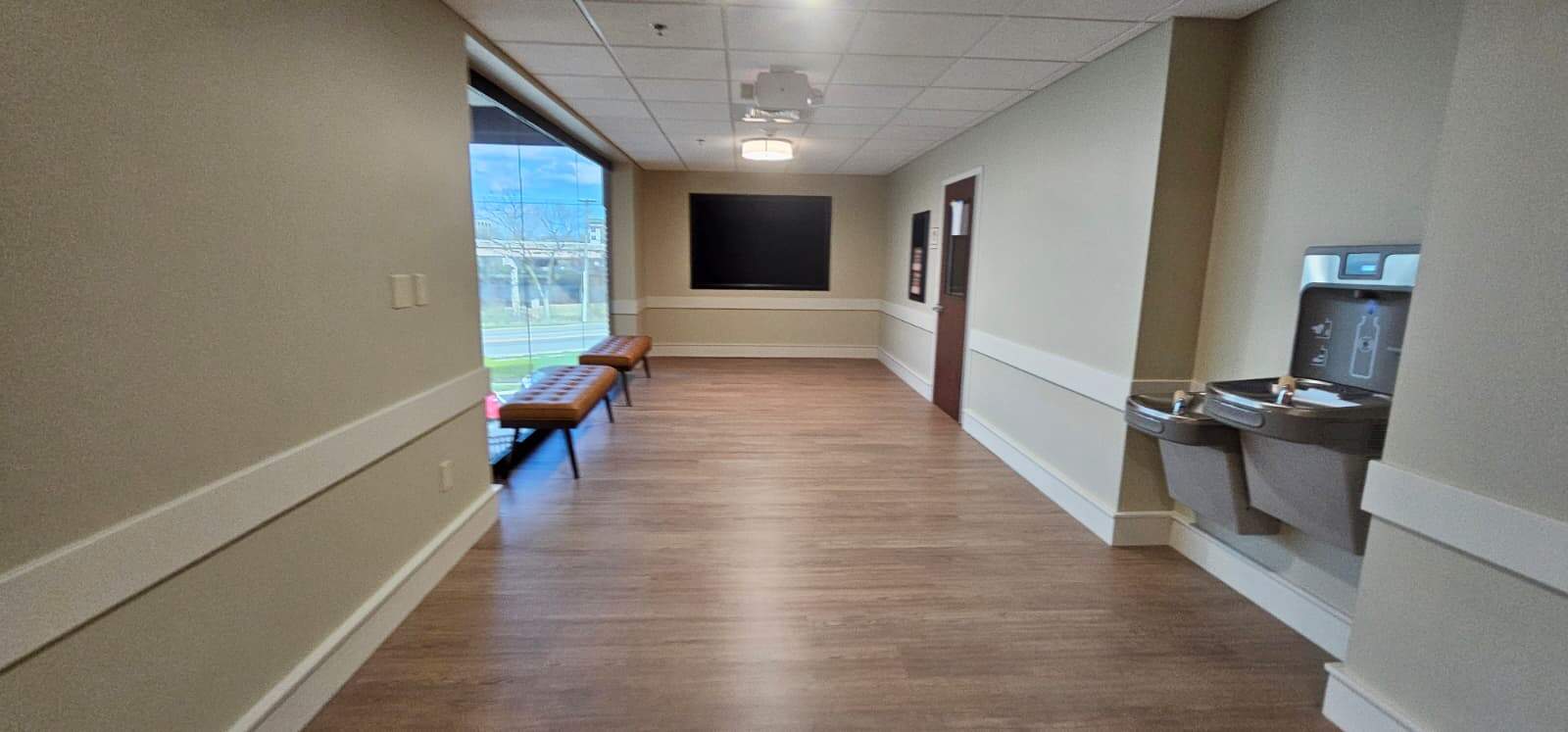
The walls behind chairs and at the check-in counter take constant cart, IV pole and wheelchair traffic. Benjamin Moore Scuff-X on the dado line so impact marks wipe clean instead of burnishing. Aura Matte on ceilings. Phased after hours so the lobby is open at 8 AM.

ORs, Imaging Suites and Infusion

OR turnover rooms, CT and MRI control rooms, infusion bays and clean utility get the tightest schedule on the job. Low-odor, zero-VOC product spec on every coat. Containment up before any prep and HEPA scrubbing while we work. Walked with the director of nursing before we leave the floor.

Soiled Utility, Med Rooms and Decontamination

Soiled utility, clean utility, med rooms and decontamination get antimicrobial coatings on walls in line with the infection prevention nurse spec. Cabinet Coat on millwork. Quick-cure waterborne enamel on doors so storage gets restocked the same shift it gets painted.

Building Exteriors, Canopies and Signage

Entry canopies, drive-up bays, exterior trim, fascia, soffits and signage substrate. Pressure wash, scrape, spot-prime and two coats of an Ohio-rated acrylic. Phased around patient drop-off so an ambulance bay or a check-in lane never gets blocked during clinic hours.

Built for How a Medical Facility Operates

ICRA Class I Through IV Containment

Containment built to the work and to the patient population behind the wall. Class I and II get tacky mats and dust barriers. Class III gets a negative air machine and a HEPA scrubber. Class IV gets a full anteroom with HEPA filtration, all of it signed off by the facility manager before we mobilize and broken down after the final wipe.

Antimicrobial and Zero-VOC Product Specs

Sherwin-Williams Paint Shield inside clinical zones, EPA-registered to kill MRSA, Staph, E. coli and VRE on the painted surface within two hours of contact. Benjamin Moore Natura at under 5 g/L VOC on patient-facing walls. No latex smell lingering in the HVAC after a shift change. No surveyor walking in to a fume.

Joint Commission and CMS Survey Readiness

A Joint Commission or CMS surveyor can walk in unannounced any day we are on site. We schedule, contain, label and clean so the building is survey-ready every hour we are in it. Tools stage inside the work zone and never in a corridor. Interim life safety measures documentation provided when the facility plan calls for it.

After-Hours Patient-Zone Scheduling

Loud prep, spray work and ceiling paint run after the patient zone closes for the day. Quiet brush work and corridor touch-ups happen behind containment during business hours. The schedule lines up with the facility manager daily clinic flow before the first crew badge prints. How we run it: commercial after-hours painting scheduling.

HIPAA Awareness and Vendor Privacy Controls

HIPAA-awareness briefing for every crew member before any work in a patient zone. Phones stay out of clinical areas. Charts, screens and whiteboards get covered or cleared before prep. We badge in and escort when the facility requires it. Background checks on every crew member documented up front for the vendor file.

Substrate Repair and Carpentry Self-Performed

A gurney clips the corner bead. A wheelchair gouges the door casing. An exam room cabinet door fails off its hinge. We pull the damaged trim, patch drywall, replace casing and reset cabinets under the same trade ticket as the paint. Same crew, one Ohio contractor license, no second mobilization.

Bedroom color change with accent wall and trim painting Columbus Ohio

Our Process

Every medical facility job runs the same four steps no matter how many exam rooms, how many shifts on the schedule or how many surveys are coming up. We walk the building with the facility manager, intake the ICRA and the schedule with the infection prevention nurse, run the work to spec and walk the finished job before final invoice.

Industrial interior painting and general contracting at manufacturing plant in Columbus Ohio by PaintWerks

Facility Walkthrough and Bid

We walk the building with the facility manager, the director of nursing or the practice administrator. Every patient zone, clinical area, soiled and clean utility, med room and shared space gets documented. Substrate condition, finish type, daily clinic flow, survey windows and access points all noted. You get a written bid broken out by room type and area so it lines up with how your operations group budgets.
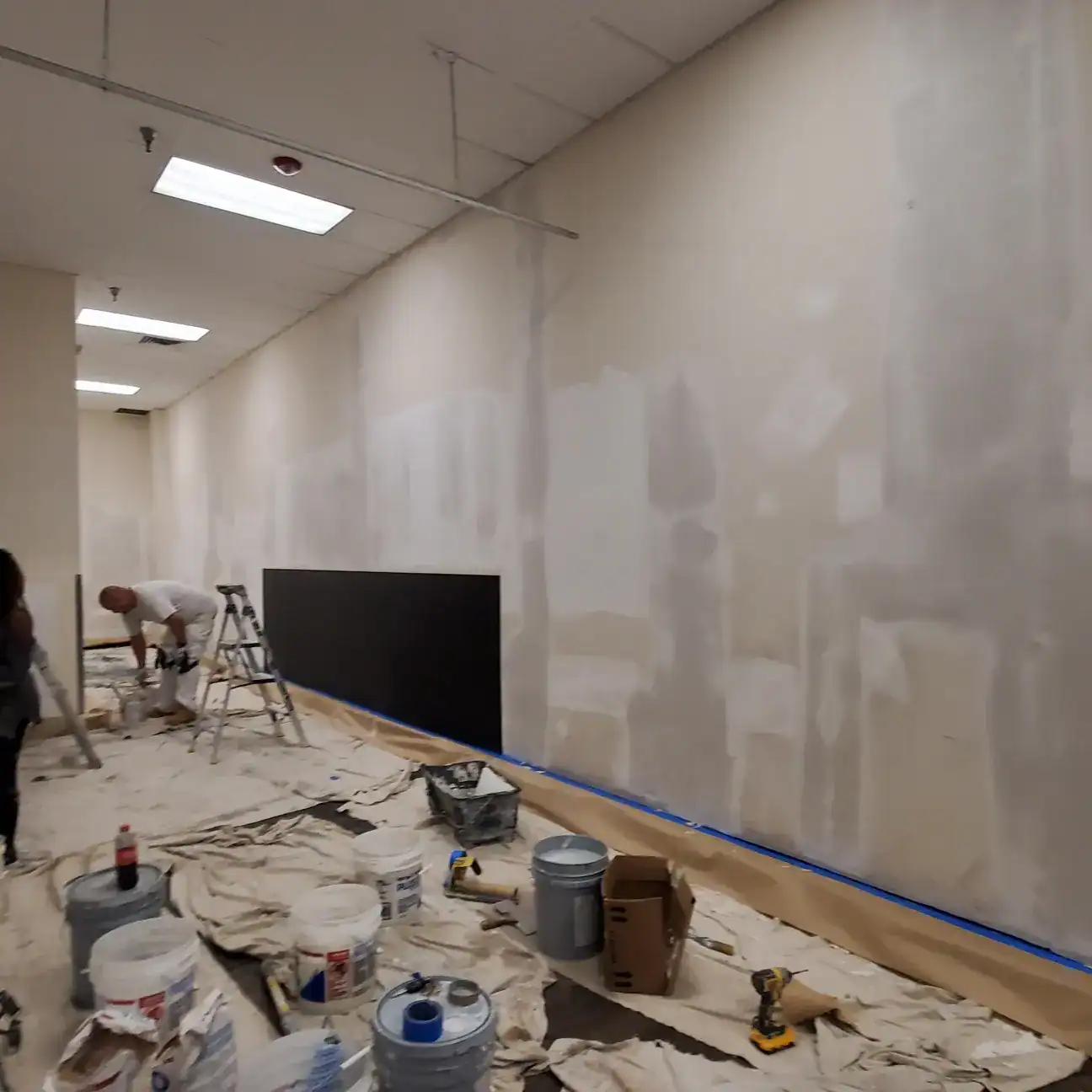
Drywall patching and nail pop repair during paint prep in Columbus Ohio

ICRA Intake and Resident-Hour Scheduling

Before the first crew badge prints we run the ICRA with the infection prevention nurse and the facility manager. Each work zone gets a class, a containment plan and a patient-zone schedule. COIs go to the facility, the management company and the parent system inside 24 hours. The schedule drops straight into the operations calendar the manager already runs the building on.
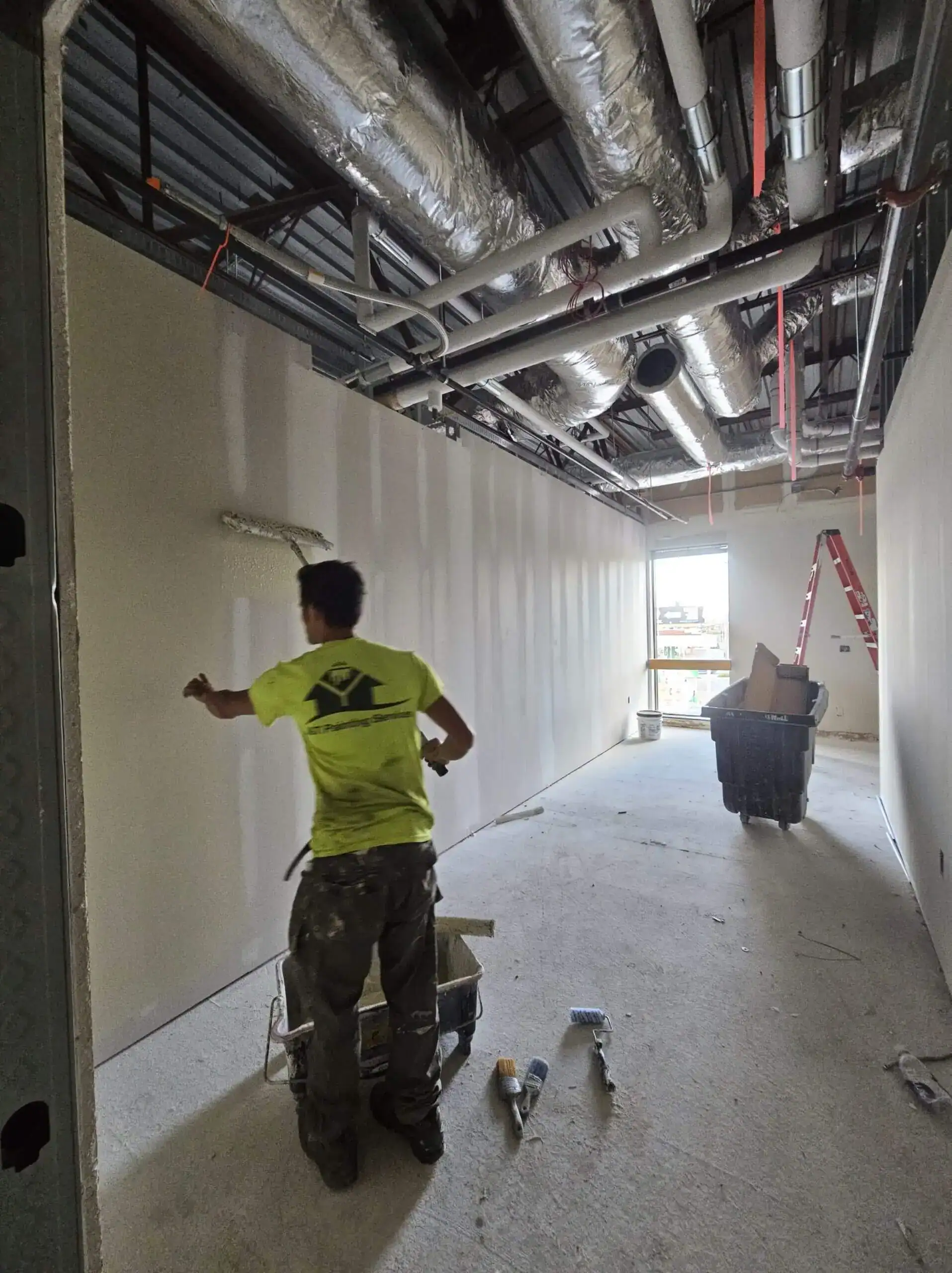
PaintWerks crew priming and painting residential interior Columbus Ohio

Prep and Paint

Containment goes up before any prep. Walls washed, patched, sanded and spot-primed. Two coats of the right product on the right surface. Paint Shield in the clinical zone. Natura on patient-facing walls. Cabinet Coat or Advance on trim and doors. Aura Matte on ceilings. Negative pressure where the ICRA calls for it. Site cleaned and surface wiped at the end of every shift.
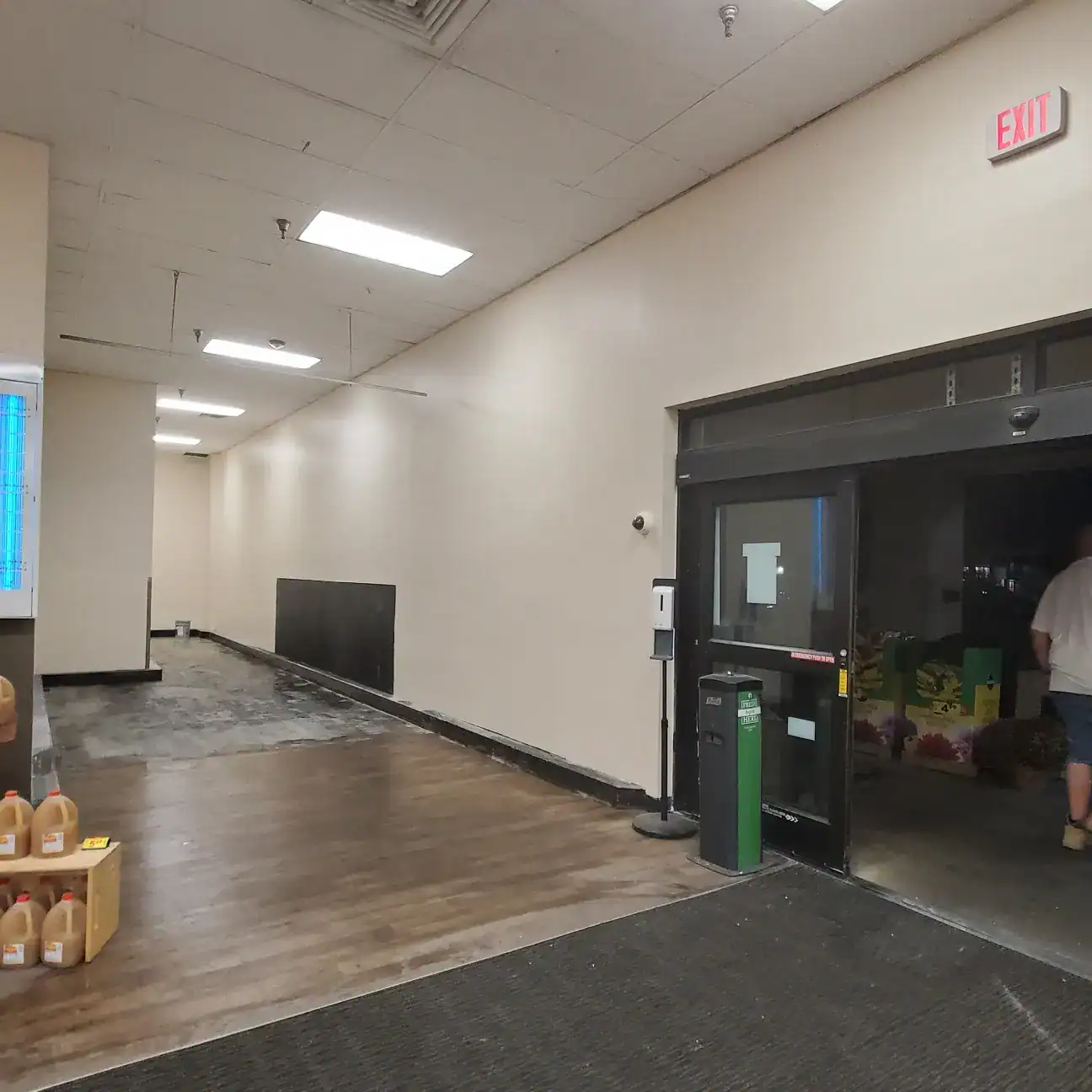
Final surface inspection under working light before finish paint application

Walkthrough and Signoff

We walk the finished work with the facility manager and the director of nursing room by room. Every surface checked against the bid and the ICRA documentation. Punch list captured on the spot and closed inside 48 hours. Final signoff documented for the facility records and the corporate compliance file. Every project carries a 2-year workmanship warranty.
Related Services

A medical facility repaint rarely runs alone. Treatment room walls need drywall patches. A corridor needs new corner bead. The break room floor wears through faster than the paint and the exterior canopy lives next to the trim and fascia repair. The same crews and the same Ohio contractor license cover all of it under one schedule with one point of contact.

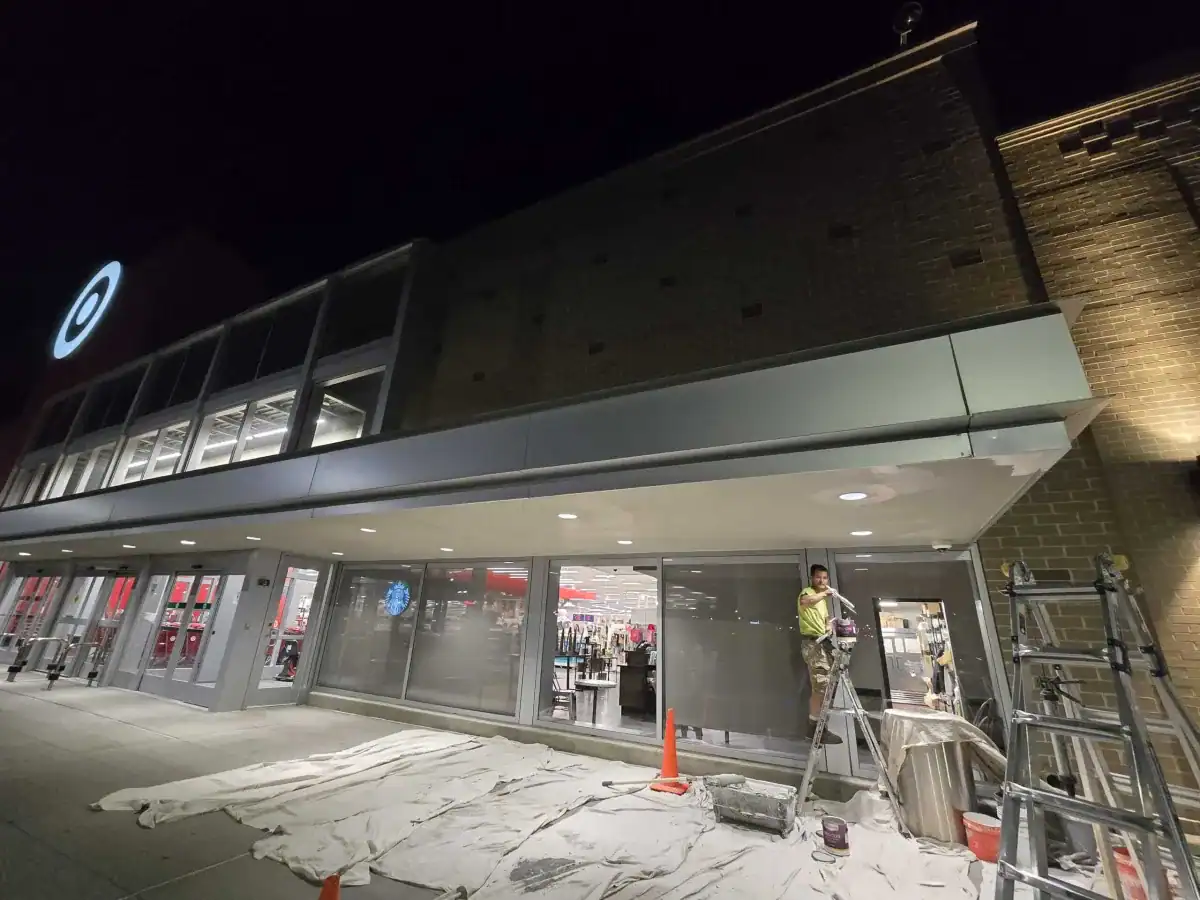
Commercial exterior painting and ACM canopy repair at Target store New Albany Ohio by PaintWerks

Commercial Interior Painting

Exam rooms, waiting rooms, corridors, offices and break rooms get hospital-grade waterborne finishes phased around clinic hours. Zero-VOC and antimicrobial product spec where the ICRA calls for it.
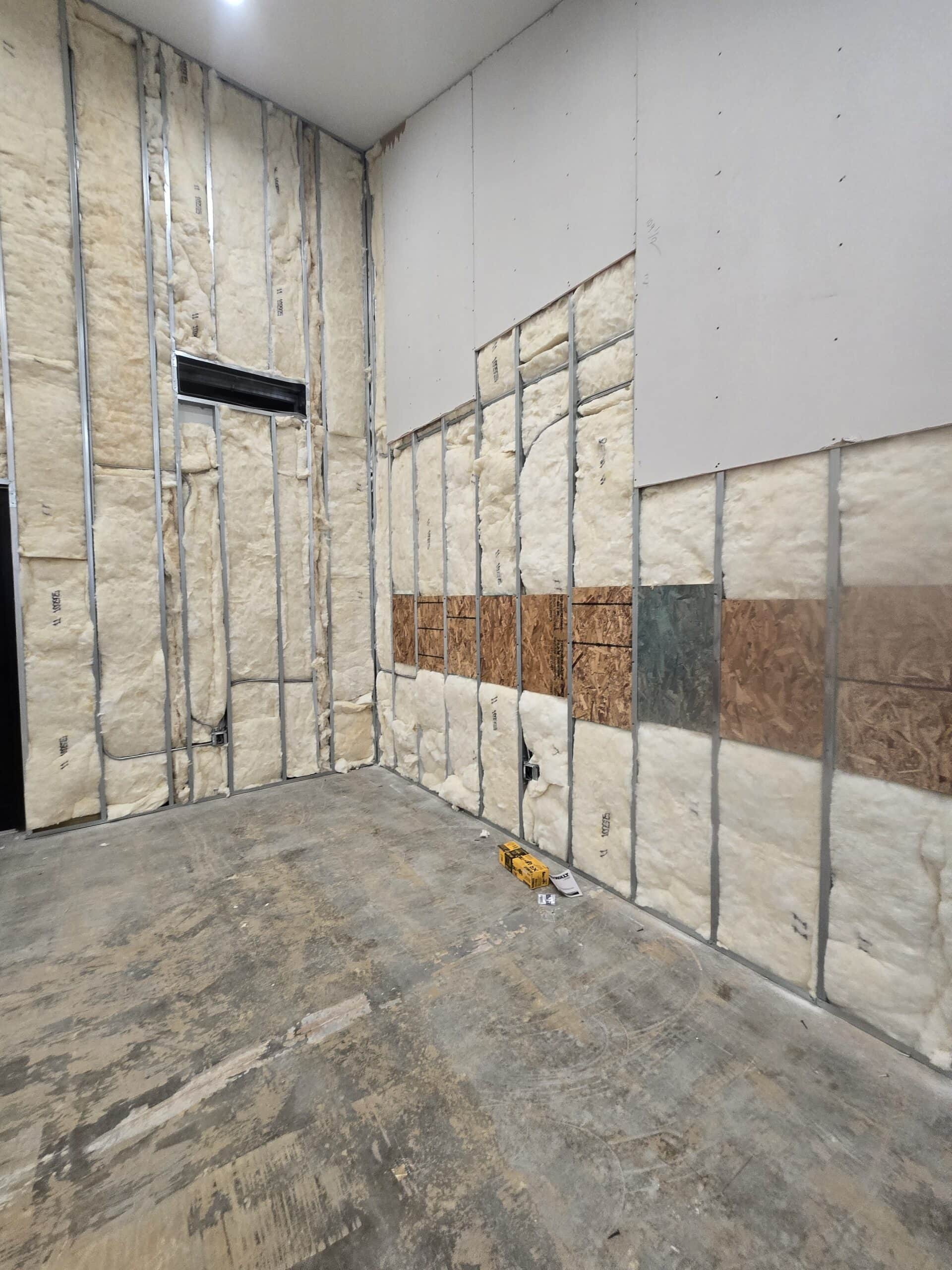
Commercial drywall and metal stud framing for tenant buildout in Columbus Ohio by PaintWerks

Commercial Exterior Painting

Entry canopies, drive-up bays, exterior trim, fascia, soffits and signage substrate. Washed, prepped and given two coats built to hold through Ohio summers and winters without blocking an ambulance bay or a check-in lane.
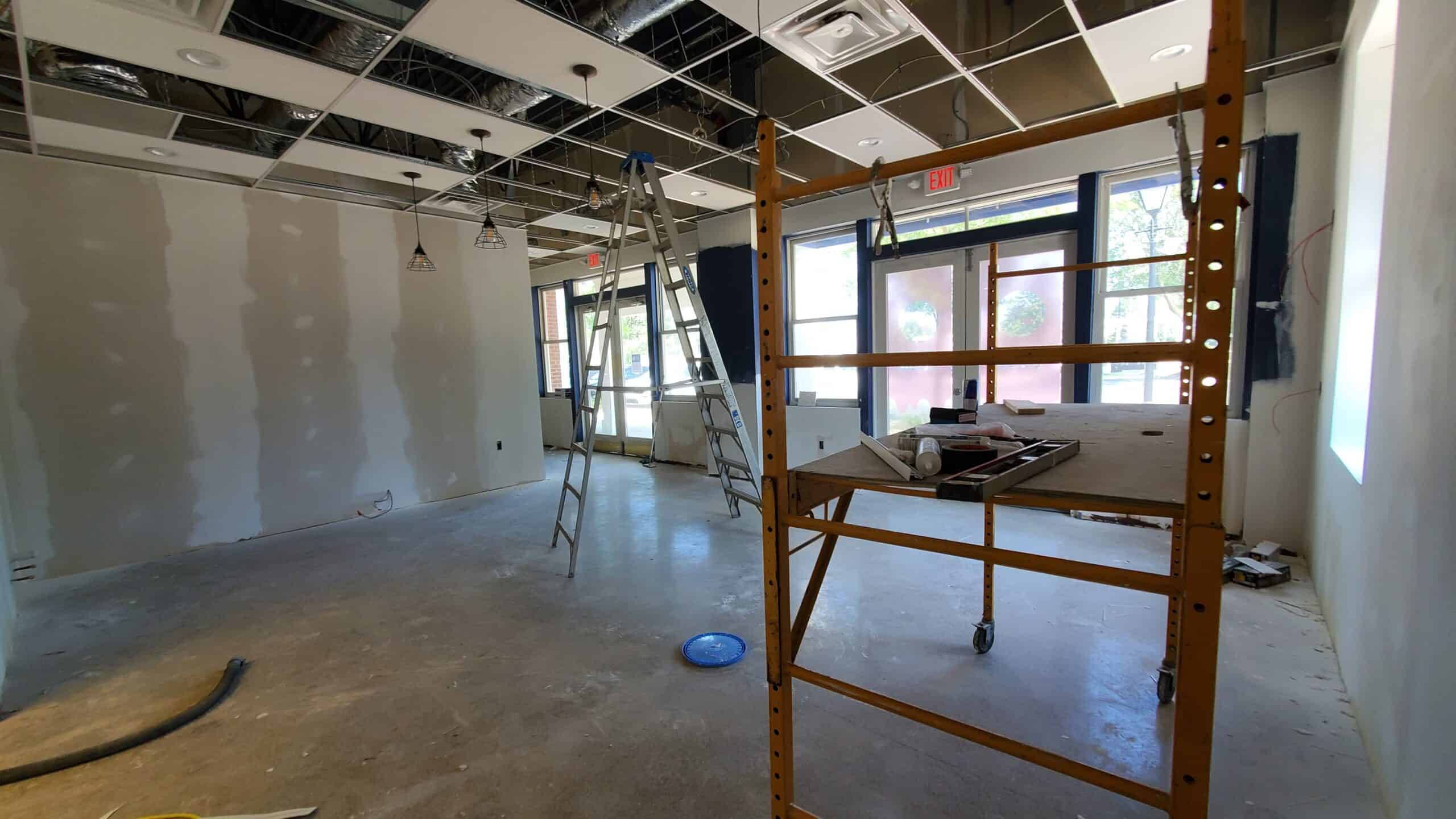
Suspended ACT drop ceiling grid installation in commercial building Columbus Ohio by PaintWerks

Commercial Drywall and Framing

Treatment room patches, corridor corner bead and casework damage from gurneys, wheelchairs and transport carts. We hang, patch and finish drywall in house so the repair and the paint run under one contract.
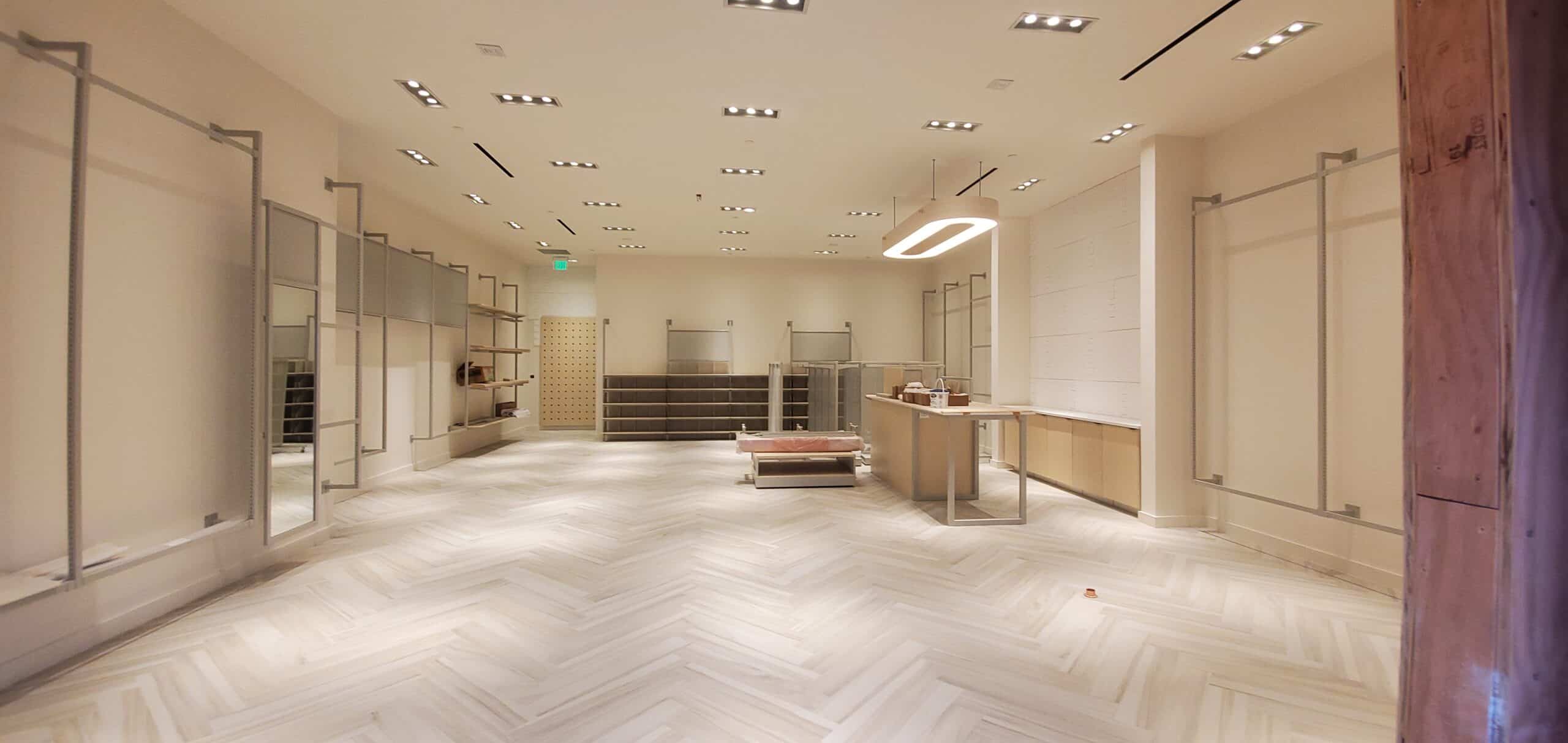
Commercial general contractor tenant buildout and office renovation Columbus Ohio by PaintWerks

Commercial Flooring and Tile

Exam room sheet vinyl seams, lobby LVP, break room tile and decontamination floor coatings wear faster than anything else in the facility. We handle the flooring and tile under the same Ohio contractor license.

What Our Clients Say

Facility managers, directors of nursing, infection prevention nurses and practice administrators running medical offices, clinics, urgent care and outpatient buildings across Columbus, Westerville, Dublin, New Albany, Powell and Worthington talk to each other. We have built our commercial business on referrals and repeat work. Our reviews reflect how we treat patients on site, how we run an occupied clinical building and how we close a punch list.

Medical Facility Painting FAQs

How much does medical facility painting cost in Columbus?

Medical facility painting in Columbus is priced by room type and by the ICRA class the work falls under. Patient-facing rooms and clinical zones run higher than back-office space because the product spec is tighter and the containment is more involved. These are 2026 ranges based on real project bids across Columbus and Central Ohio.

Project Type Avg. Cost Per Floor Sq Ft Typical Scope
Exam Room / Outpatient Refresh $5.00 – $9.00 Zero-VOC product, dust containment, scheduled around patient hours, antimicrobial finish
Patient Care Areas / Inpatient $6.00 – $11.00 Negative air, infection control protocol, ICRA Class III/IV, antimicrobial finish
Surgical Suite / OR Adjacent $8.00 – $14.00 Epoxy or seamless finish, full ICRA Class IV, hospital-grade product, after-hours only
Common Areas / Corridors / Lobbies $4.50 – $8.00 Scuff-resistant eggshell, low-VOC, phased around foot traffic, ADA color contrast
Exterior (medical facility facade) $1.75 – $4.50 DTM or elastomeric, lift work, weather-window scheduled

Clinical and Class III or IV areas run on the high end because containment, product and phasing all cost more. Exterior repaint on a single medical office building runs $1.75 to $4.50 per square foot of wall depending on height, substrate and access. Call 614-582-4227 or request a free estimate for a bid broken out by zone and ICRA class.

The infection control risk assessment is the document that tells the contractor what containment is required for the work, based on the patient population on the other side of the wall. ICRA Class I covers inspection and non-invasive activities with almost no dust risk. Class II covers small dust-generating work with simple mitigation like a sticky mat and a sealed barrier. Class III covers larger dust or noise that requires negative air and HEPA filtration. Class IV covers major demolition or work near immunocompromised patients and requires a full anteroom with HEPA, signed off before mobilization. We run the ICRA with the infection prevention nurse and the facility manager before we touch a wall and the written containment plan goes in the construction file. Drywall patches inside the containment run under our commercial drywall finishing trade ticket so the repair and the wipedown happen on the same shift.

Patient-facing walls get Benjamin Moore Natura at under 5 g/L VOC. No perceptible odor during application and no off-gassing after the coat dries, which matters for a waiting room that fills back up at 7:30 AM and an infusion chair that gets warm again at 8. Clinical zone walls get Sherwin-Williams Paint Shield antimicrobial, EPA-registered to kill MRSA, Staph, E. coli, VRE and Enterobacter aerogenes on the painted surface within two hours of contact. The antimicrobial film holds up to four years on the wall. Trim and doors get fast-cure waterborne enamels so the room is back in service inside one shift change. Ceilings get Aura Matte. Every product holds up to daily wipedown with quat and bleach cleaners. Same product spec we run on office building painting in occupied tenant buildings.

A paint crew does not work with protected health information by job description, but a crew working in a clinical zone can see screens, charts, whiteboards and overheard conversations. We treat that the same way the facility other vendors are required to. Every crew member gets a HIPAA-awareness briefing before any work in a patient zone. Phones stay out of clinical areas. Whiteboards, monitors and printed schedules get covered or cleared before prep. We badge in, escort when the facility requires it and follow the privacy posture the practice administrator or property manager sets for vendors. Background checks on every crew member are documented up front for the facility vendor file.

Yes, that is the default. Most outpatient clinics, medical offices and urgent care buildings cannot close for paint, so we phase the work around the schedule the facility already runs. Quiet brush work, casework touch-ups and corridor patching happen behind containment during clinic hours. Loud prep, spray work and ceiling paint run after the patient zone closes for the day. Exam and treatment rooms paint between scheduled appointments or overnight. Infusion bays paint on closed days. The full schedule lines up with the facility manager clinic flow before the first crew badge prints. Same occupied-building approach we run on office building painting in Columbus.

A Joint Commission or CMS surveyor can walk in unannounced any day we are on site. We work to that assumption from the first shift. Tools stage inside the work zone and never in a corridor or an egress path. Containment, signage and air machines stay in place through the full work period and the labels match the ICRA on file. Daily housekeeping closes out every shift so the building looks survey-ready by the next morning. When the facility interim life safety measures plan requires written documentation, we provide ILSM-compatible scope, sequence and containment records for the construction file. The same compliance posture runs through our senior living and healthcare painting work.

Yes, in house. Gurneys, IV poles, transport carts and wheelchair footrests damage corner bead and door casing at hub height in every clinical building. A bed wheel kicks out a baseboard. A med cart hits the corner. We patch and re-tape drywall, replace damaged corner bead, replace door casing and reset baseboard under the same ticket as the paint. On larger scopes like a procedure room refresh, water damage repair after a sprinkler activation or a clinic suite conversion, the work runs through our commercial drywall finishing crew. No second contractor, no second purchase order, no schedule gap.

$1 million per occurrence and $2 million aggregate general liability standard, with a $5 million umbrella available for hospital systems and multi-site portfolios. Statutory workers compensation. Additional insured endorsements naming the operating entity, the property manager, the management company, the REIT or the hospital parent system, with Primary and Non-Contributory and Waiver of Subrogation language when the master service agreement requires it. OSHA 10 documentation on the crew. Background checks documented for every crew member working around patients. Lead testing protocol on any building built before 1978. COIs to the facility and the management company within 24 hours of request. Same vendor stack we run on every commercial services contract across Central Ohio.

We paint medical office buildings, clinics, urgent care, outpatient centers and hospital satellite buildings across the Columbus metro and Central Ohio.